
How to Make Dhaba-Style Pindi Chole Using Everyday Kitchen Spices

Punjabi Pindi chole is a hearty chickpea dish known for its deep colour, tangy flavour and aromatic spices. Unlike many everyday chole recipes, this preparation is generally drier, with the spices coating the chickpeas instead of sitting in a thick onion and tomato gravy. It is traditionally associated with Rawalpindi and is now a favourite across North India, often served with bhature, kulcha or paratha.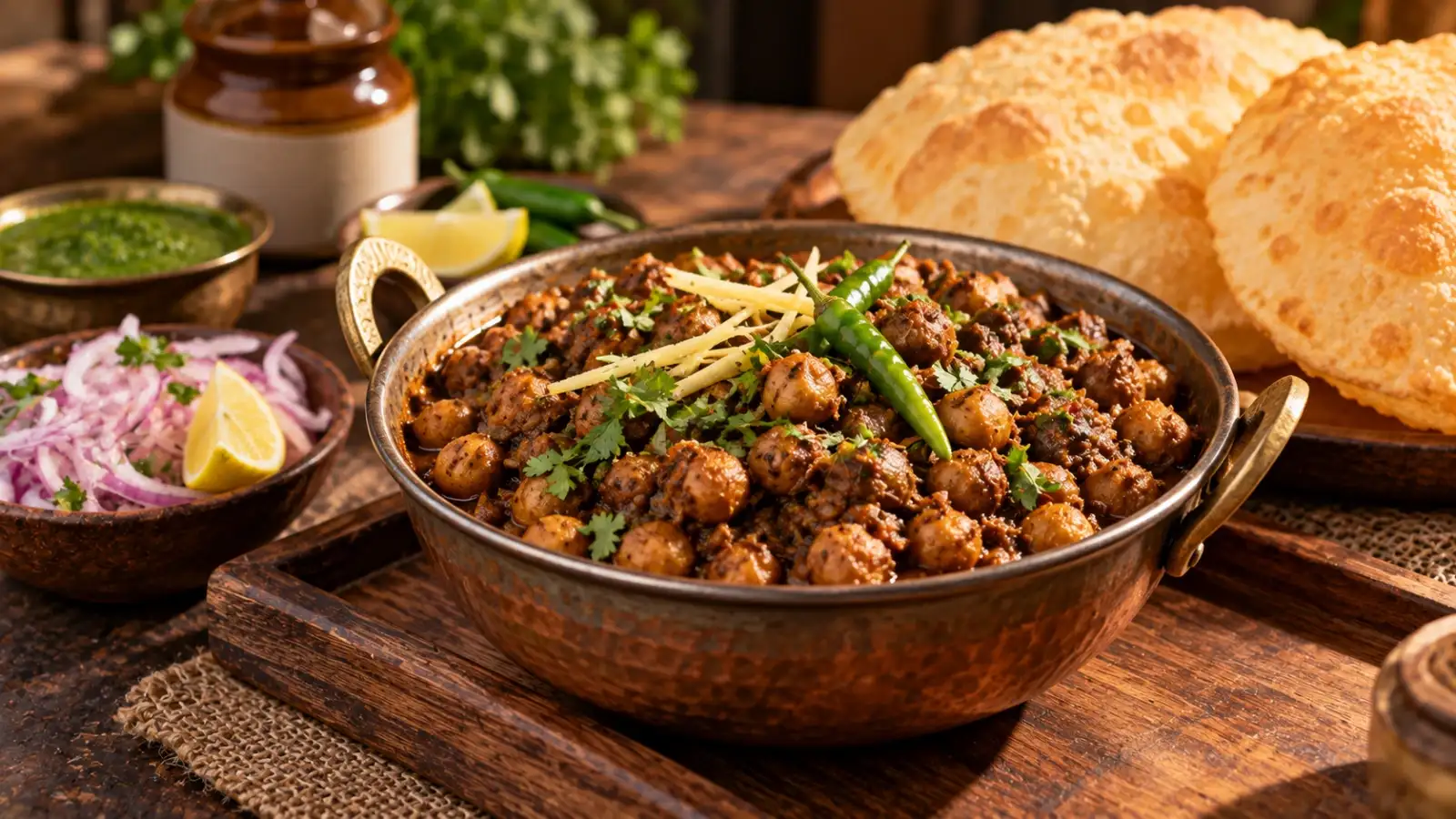
You do not need a packet of ready-made chole masala to recreate its distinctive taste at home. Whole coriander seeds, cumin, black pepper, dried pomegranate seeds and a few warming spices can be roasted and ground to make a fresh homemade blend. The key is to cook the chickpeas until tender, balance the tangy seasoning and finish with a fragrant ginger and chilli tempering.
Transfer the chickpeas to a pressure cooker with fresh water, the black cardamom, cinnamon, cloves, bay leaves, salt and tea bag. Make sure the chickpeas are covered with water, following your cooker's safety and filling instructions.
Pressure-cook until the chickpeas are soft enough to crush easily between your fingers. Cooking time varies depending on the age of the chickpeas and the cooker, so check tenderness rather than relying only on a fixed number of whistles.
Remove the tea bag and whole spices. Reserve the cooking liquid, as it will help the seasoning cling to the chickpeas later. The tea adds a deeper brown colour, but it should be used in moderation so that it does not overpower the flavour.
Dry-roast the spices for two to three minutes, stirring continuously until they release a strong, pleasant aroma. Do not let them burn, as this can make the finished chole bitter.
Transfer the roasted spices to a plate and allow them to cool completely. Grind them into a coarse or fine powder, depending on your preferred texture. Add the dried pomegranate seeds and amchur powder, then mix well.
This homemade spice blend provides the dish's earthy, warm and tangy flavour without requiring a commercial masala packet. If your dried pomegranate seeds are particularly sour, adjust the amount of amchur accordingly.
Add the cumin seeds and let them crackle. Stir in the chopped ginger and slit green chillies, cooking for about a minute without allowing the ginger to burn.
Add the turmeric powder, Kashmiri red chilli powder and approximately three-quarters of your homemade spice blend. Stir briefly over a low flame so the spices become fragrant.
Add the cooked chickpeas and mix gently until they are evenly coated. Pour in around 100 to 150ml of the reserved cooking liquid, adding more only if needed.
Simmer uncovered for 10 to 15 minutes, stirring occasionally. Lightly mash a small portion of the chickpeas against the side of the pan. This releases some of their starch, helping the spices cling to the mixture without creating a heavy gravy.
Add the remaining spice blend gradually, tasting as you go. Season with black salt and adjust the tanginess with a little extra amchur or lemon juice if necessary.
Heat one tablespoon of ghee or oil in a small pan. Add the ginger strips and slit green chillies, then cook until the ginger begins to turn lightly golden. If using garlic, add it and cook briefly until fragrant.
Pour the tempering over the cooked chickpeas and mix gently. Sprinkle in the dried fenugreek leaves, if using, and garnish with freshly chopped coriander.
Cover the pan and leave the chole to rest for five minutes before serving. This short resting period allows the spices to settle into the chickpeas.
Cook the chickpeas until completely tender. Firm chickpeas will not absorb the seasoning properly. If they remain hard, cook them for longer before adding the spice mixture.
Keep the consistency relatively dry. Pindi chole is not meant to resemble a thin, heavily sauced curry. Add the reserved cooking liquid gradually and allow excess moisture to evaporate.
Balance the tanginess. Anardana and amchur both provide sourness. Start with the suggested quantities and adjust after tasting, rather than adding both generously at once.
Avoid burning the spices. Ground spices can turn bitter quickly. Add them over a low flame and use a small splash of cooking liquid if the pan becomes too dry.
Let the flavours rest. Pindi chole often tastes even better after resting for a short while. If preparing it in advance, refrigerate it promptly once cooled and reheat thoroughly before serving.
Sliced onions, lemon wedges, green chillies and fresh coriander make suitable accompaniments. A glass of chilled salted lassi also complements the bold, tangy spices.
For a complete vegetarian Punjabi meal, serve the chole with a fresh cucumber salad and plain yoghurt. These simple additions balance the richness of the dish without taking attention away from its freshly roasted spices.
When reheating, add a small splash of water if the chickpeas have become too dry. Warm them in a covered pan over a low flame, stirring occasionally to prevent sticking.
You can also freeze portions in suitable airtight containers. Thaw them safely in the refrigerator before reheating, and avoid repeatedly cooling and reheating the same batch.
Punjabi Amritsari Pindi chole gets its distinctive character from tender chickpeas, freshly roasted spices, tangy dried pomegranate and a fragrant final tempering. Making the spice blend at home gives you greater control over the heat, sourness and aroma, while eliminating the need for ready-made masala.
Take time to cook the chickpeas properly, roast the spices without burning them and keep the finished dish thick rather than watery. Serve it with your favourite Indian bread for a satisfying homemade Punjabi meal.
You do not need a packet of ready-made chole masala to recreate its distinctive taste at home. Whole coriander seeds, cumin, black pepper, dried pomegranate seeds and a few warming spices can be roasted and ground to make a fresh homemade blend. The key is to cook the chickpeas until tender, balance the tangy seasoning and finish with a fragrant ginger and chilli tempering.
Ingredients for Homemade Pindi Chole
This recipe serves approximately 3 to 4 people.For boiling the chickpeas
- 250g dried white chickpeas (kabuli chana)
- 1 black tea bag or 1 teaspoon loose black tea tied in muslin
- 1 black cardamom
- 1 small cinnamon stick
- 3 to 4 cloves
- 2 bay leaves
- Salt to taste
- Water as required
For the homemade spice blend
- 2 tablespoons coriander seeds
- 1 tablespoon cumin seeds
- 1 tablespoon dried pomegranate seeds (anardana)
- 1 teaspoon black peppercorns
- 4 to 5 dried red chillies, adjusted to taste
- ½ teaspoon carom seeds (ajwain)
- ½ teaspoon fennel seeds
- ½ teaspoon dry ginger powder
- ½ teaspoon amchur (dried mango powder), or to taste
For cooking the chole
- 2 tablespoons mustard oil or vegetable oil
- 1 teaspoon cumin seeds
- 1 tablespoon finely chopped ginger
- 2 green chillies, slit lengthways
- ½ teaspoon turmeric powder
- ½ teaspoon Kashmiri red chilli powder
- ½ teaspoon black salt, or to taste
- 1 teaspoon dried fenugreek leaves (kasuri methi), optional
- Fresh coriander leaves for garnish
- Lemon wedges for serving
For the final tempering
- 1 tablespoon ghee or oil
- 1 tablespoon ginger cut into thin strips
- 2 green chillies, slit
- 3 to 4 garlic cloves, finely chopped, optional
Step 1: Soak and Cook the Chickpeas
Rinse the dried chickpeas thoroughly and soak them in plenty of water for eight to twelve hours, preferably overnight. They will expand as they absorb water, so use a sufficiently large bowl. Drain and rinse them before cooking.Transfer the chickpeas to a pressure cooker with fresh water, the black cardamom, cinnamon, cloves, bay leaves, salt and tea bag. Make sure the chickpeas are covered with water, following your cooker's safety and filling instructions.
Pressure-cook until the chickpeas are soft enough to crush easily between your fingers. Cooking time varies depending on the age of the chickpeas and the cooker, so check tenderness rather than relying only on a fixed number of whistles.
Remove the tea bag and whole spices. Reserve the cooking liquid, as it will help the seasoning cling to the chickpeas later. The tea adds a deeper brown colour, but it should be used in moderation so that it does not overpower the flavour.
Step 2: Prepare the Freshly Roasted Spice Blend
Heat a heavy-bottomed pan over a low to medium flame. Add the coriander seeds, cumin seeds, black peppercorns, dried red chillies, carom seeds and fennel seeds.Dry-roast the spices for two to three minutes, stirring continuously until they release a strong, pleasant aroma. Do not let them burn, as this can make the finished chole bitter.
Transfer the roasted spices to a plate and allow them to cool completely. Grind them into a coarse or fine powder, depending on your preferred texture. Add the dried pomegranate seeds and amchur powder, then mix well.
This homemade spice blend provides the dish's earthy, warm and tangy flavour without requiring a commercial masala packet. If your dried pomegranate seeds are particularly sour, adjust the amount of amchur accordingly.
Step 3: Cook the Chickpeas With the Spices
Heat the mustard oil in a wide kadhai until it begins to release a light aroma, then reduce the heat slightly. If you prefer a milder flavour, use vegetable oil instead.Add the cumin seeds and let them crackle. Stir in the chopped ginger and slit green chillies, cooking for about a minute without allowing the ginger to burn.
Add the turmeric powder, Kashmiri red chilli powder and approximately three-quarters of your homemade spice blend. Stir briefly over a low flame so the spices become fragrant.
Add the cooked chickpeas and mix gently until they are evenly coated. Pour in around 100 to 150ml of the reserved cooking liquid, adding more only if needed.
Simmer uncovered for 10 to 15 minutes, stirring occasionally. Lightly mash a small portion of the chickpeas against the side of the pan. This releases some of their starch, helping the spices cling to the mixture without creating a heavy gravy.
Add the remaining spice blend gradually, tasting as you go. Season with black salt and adjust the tanginess with a little extra amchur or lemon juice if necessary.
Step 4: Prepare the Final Tempering
The finishing tempering gives Pindi chole its characteristic aroma and adds a fresh layer of flavour.Heat one tablespoon of ghee or oil in a small pan. Add the ginger strips and slit green chillies, then cook until the ginger begins to turn lightly golden. If using garlic, add it and cook briefly until fragrant.
Pour the tempering over the cooked chickpeas and mix gently. Sprinkle in the dried fenugreek leaves, if using, and garnish with freshly chopped coriander.
Cover the pan and leave the chole to rest for five minutes before serving. This short resting period allows the spices to settle into the chickpeas.
Tips for Authentic Punjabi-Style Pindi Chole
Roast the spices carefully. Freshly roasted whole spices provide a more pronounced aroma than a blend that has been stored for months. Keep the flame moderate and stop as soon as the spices smell fragrant.Cook the chickpeas until completely tender. Firm chickpeas will not absorb the seasoning properly. If they remain hard, cook them for longer before adding the spice mixture.
Keep the consistency relatively dry. Pindi chole is not meant to resemble a thin, heavily sauced curry. Add the reserved cooking liquid gradually and allow excess moisture to evaporate.
Balance the tanginess. Anardana and amchur both provide sourness. Start with the suggested quantities and adjust after tasting, rather than adding both generously at once.
Avoid burning the spices. Ground spices can turn bitter quickly. Add them over a low flame and use a small splash of cooking liquid if the pan becomes too dry.
Let the flavours rest. Pindi chole often tastes even better after resting for a short while. If preparing it in advance, refrigerate it promptly once cooled and reheat thoroughly before serving.
What to Serve With Amritsari Pindi Chole
Serve the chole hot with fluffy bhature, crisp kulcha, tandoori roti or flaky paratha. For a lighter meal, pair them with plain rice or a simple vegetable pulao.Sliced onions, lemon wedges, green chillies and fresh coriander make suitable accompaniments. A glass of chilled salted lassi also complements the bold, tangy spices.
You may also like
- “A very important part of their life is over…”: When Amitabh Bachchan revealed his biggest regret as a father while raising Shweta and Abhishek
- “It completely shatters your ego,” says traveller after witnessing Kerala's mesmerising Theyyam ritual; what exactly is it
- DAY 2 BRAHMACHARINI: A Letter to the Unfinished Self
- DAY 1 SHAILAPUTRI: The First Worship Is to Stand Somewhere
- Former NFL player quit football at 26 to pursue a PhD in mathematics at MIT; his latest research tackles a 30-year-old math problem
For a complete vegetarian Punjabi meal, serve the chole with a fresh cucumber salad and plain yoghurt. These simple additions balance the richness of the dish without taking attention away from its freshly roasted spices.
How to Store Leftover Pindi Chole
Allow the cooked chole to cool before transferring them to an airtight container. Refrigerate and consume within three to four days, reheating only the portion you need until it is piping hot throughout.When reheating, add a small splash of water if the chickpeas have become too dry. Warm them in a covered pan over a low flame, stirring occasionally to prevent sticking.
You can also freeze portions in suitable airtight containers. Thaw them safely in the refrigerator before reheating, and avoid repeatedly cooling and reheating the same batch.
Punjabi Amritsari Pindi chole gets its distinctive character from tender chickpeas, freshly roasted spices, tangy dried pomegranate and a fragrant final tempering. Making the spice blend at home gives you greater control over the heat, sourness and aroma, while eliminating the need for ready-made masala.
Take time to cook the chickpeas properly, roast the spices without burning them and keep the finished dish thick rather than watery. Serve it with your favourite Indian bread for a satisfying homemade Punjabi meal.






Loving Newspoint? Download the app now
