
Quinoa vs Oats: Which Is Healthier and How to Add Them to Your Diet?

Rice and roti are everyday staples in many Indian households, but health-conscious eaters are increasingly exploring alternatives such as oats and quinoa. The debate around quinoa vs oats often centres on which offers better nutrition, supports weight management and improves overall health. While both are nutritious choices, they have different strengths. Oats are particularly known for their heart-friendly soluble fibre, while quinoa provides high-quality plant protein. Understanding their benefits can help you choose the right option for your daily meals.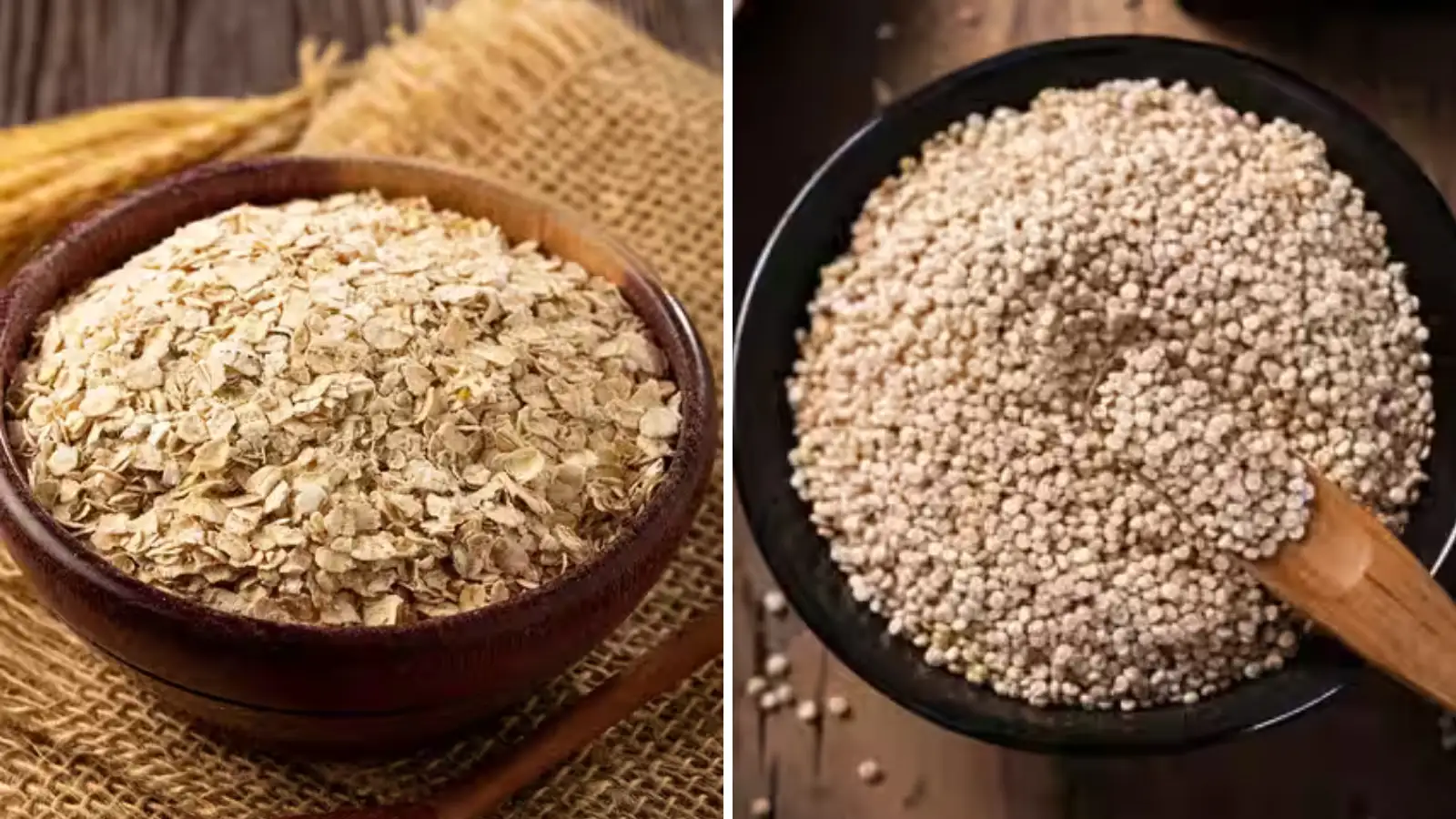
Oats are whole grains that provide complex carbohydrates, dietary fibre and a useful amount of protein. They also contain minerals such as magnesium, phosphorus and iron. One of their biggest advantages is beta-glucan, a type of soluble fibre associated with lower LDL, or bad, cholesterol.
Quinoa, on the other hand, is technically a seed, although it is commonly used like a grain. It contains all nine essential amino acids, making it a complete plant protein. It also supplies fibre, magnesium, iron, zinc and folate.
Both foods can contribute to a balanced diet. However, quinoa may be particularly useful for people seeking more variety in their plant-based protein sources, while oats are an excellent everyday choice for increasing soluble fibre intake.
Oats contain soluble fibre that absorbs water and forms a gel-like substance in the digestive tract. This can slow digestion and help you feel satisfied for longer. A bowl of oatmeal prepared with milk or yoghurt, fruit and nuts can make a filling breakfast.
Quinoa combines protein, fibre and complex carbohydrates, which may also support fullness between meals. It can be a useful alternative to rice at lunch or dinner, especially when paired with vegetables and a protein-rich food such as beans, lentils or tofu.
Which is better for weight loss? Choose the option you enjoy and can eat regularly in sensible portions. Avoid adding excessive sugar, sweetened syrups or high-calorie toppings if you are trying to manage your calorie intake.
Oats are rich in beta-glucan, a soluble fibre that supports beneficial gut bacteria. Soluble fibre can also help soften stool and support regular bowel movements when consumed with adequate fluids.
Quinoa provides a combination of fibre types, including insoluble fibre, which adds bulk to stool and helps food move through the digestive tract. It can be a useful addition to a varied, fibre-rich diet.
There is no universal winner for gut health. Individual tolerance matters, particularly for people who experience bloating or digestive discomfort. If you are increasing your fibre intake, do so gradually and drink enough water.
This soluble fibre helps reduce the reabsorption of bile acids in the intestine, prompting the body to use cholesterol to produce more bile acids. Over time, this process can contribute to lower blood cholesterol levels.
Quinoa also supports heart-friendly eating because it provides fibre, minerals and unsaturated fats in small amounts. However, oats have stronger established evidence for the specific cholesterol-lowering benefits of beta-glucan.
For people looking to support cardiovascular health, plain oats are an excellent choice. Quinoa can complement them as part of a varied diet that includes vegetables, fruits, pulses, nuts and seeds.
Oats contain soluble fibre that slows digestion and can moderate the rise in blood glucose after a meal. Less processed varieties, such as steel-cut or rolled oats, may be preferable to heavily sweetened instant oatmeal products.
Quinoa supplies protein and fibre along with carbohydrates, which may help moderate the body's response to a meal. It can also replace refined grains in dishes such as pulao or rice bowls.
However, neither food guarantees stable blood sugar levels. People with diabetes should pay attention to portion sizes, preparation methods and the overall carbohydrate content of their meals. Pairing either option with vegetables and a suitable source of protein can make meals more balanced.
This makes quinoa a valuable option for vegetarians and vegans who want to diversify their protein sources. It can be combined with beans, lentils, vegetables and nuts to create satisfying meals.
Oats also provide plant protein and can contribute to daily protein requirements. Adding milk, yoghurt, nuts, seeds or nut butter to an oat-based meal can increase its protein content.
For people who exercise regularly or want to support muscle maintenance, both foods can be useful. However, neither should be treated as a complete replacement for all other protein sources. Total daily protein intake and overall dietary variety remain important.
Oats may come into contact with wheat, barley or rye during harvesting, transportation or manufacturing. People who need to avoid gluten should choose oats specifically labelled or certified gluten-free. Some people with coeliac disease may also react to avenin, a naturally occurring protein in oats, so individual medical advice may be necessary.
Quinoa is naturally gluten-free and is often a useful alternative to wheat-based grains. Rinse it thoroughly before cooking to remove saponins, naturally occurring compounds on its surface that can create a bitter taste and may cause discomfort in some people.
Always check product labels for possible cross-contamination if you need to follow a strict gluten-free diet.
For example, you could eat oats for breakfast and quinoa for lunch or dinner. You can also rotate them throughout the week to add variety to your meals.
Oats can help increase your intake of beta-glucan, while quinoa offers complete plant protein and a different combination of nutrients. Eating a varied diet is generally more beneficial than relying heavily on a single food.
Choose oats if you want an affordable, versatile source of soluble fibre, particularly for supporting healthy cholesterol levels. They are also convenient for breakfast and can be prepared in several sweet and savoury ways.
Choose quinoa if you want a naturally gluten-free alternative to rice, a complete plant protein source or a different base for lunch and dinner. It is especially useful for people following vegetarian or vegan diets.
Ultimately, both quinoa and oats can be part of a healthy diet. Rather than viewing one as universally superior, consider your health goals, portion sizes and how well each food fits into your lifestyle. Pair them with vegetables, fruits, pulses, nuts and other nutrient-rich foods to build balanced, satisfying meals.
Quinoa vs Oats: Nutritional Differences
Oats and quinoa offer carbohydrates, fibre, protein and essential nutrients, but their nutritional profiles are not identical.Oats are whole grains that provide complex carbohydrates, dietary fibre and a useful amount of protein. They also contain minerals such as magnesium, phosphorus and iron. One of their biggest advantages is beta-glucan, a type of soluble fibre associated with lower LDL, or bad, cholesterol.
Quinoa, on the other hand, is technically a seed, although it is commonly used like a grain. It contains all nine essential amino acids, making it a complete plant protein. It also supplies fibre, magnesium, iron, zinc and folate.
Both foods can contribute to a balanced diet. However, quinoa may be particularly useful for people seeking more variety in their plant-based protein sources, while oats are an excellent everyday choice for increasing soluble fibre intake.
Oats vs Quinoa for Weight Loss
If weight management is your goal, both oats and quinoa can fit into a healthy eating plan. Neither food automatically causes weight loss; the overall balance of your meals, portion sizes and physical activity matter more.Oats contain soluble fibre that absorbs water and forms a gel-like substance in the digestive tract. This can slow digestion and help you feel satisfied for longer. A bowl of oatmeal prepared with milk or yoghurt, fruit and nuts can make a filling breakfast.
Quinoa combines protein, fibre and complex carbohydrates, which may also support fullness between meals. It can be a useful alternative to rice at lunch or dinner, especially when paired with vegetables and a protein-rich food such as beans, lentils or tofu.
Which is better for weight loss? Choose the option you enjoy and can eat regularly in sensible portions. Avoid adding excessive sugar, sweetened syrups or high-calorie toppings if you are trying to manage your calorie intake.
Which Is Better for Digestion and Gut Health?
Both oats and quinoa provide dietary fibre, which supports digestive health. However, they contain different types of fibre.Oats are rich in beta-glucan, a soluble fibre that supports beneficial gut bacteria. Soluble fibre can also help soften stool and support regular bowel movements when consumed with adequate fluids.
Quinoa provides a combination of fibre types, including insoluble fibre, which adds bulk to stool and helps food move through the digestive tract. It can be a useful addition to a varied, fibre-rich diet.
There is no universal winner for gut health. Individual tolerance matters, particularly for people who experience bloating or digestive discomfort. If you are increasing your fibre intake, do so gradually and drink enough water.
Quinoa vs Oats for Heart Health
Oats have a notable advantage when it comes to cholesterol management. Their beta-glucan content can help reduce LDL cholesterol when consumed regularly in sufficient amounts as part of a balanced diet.This soluble fibre helps reduce the reabsorption of bile acids in the intestine, prompting the body to use cholesterol to produce more bile acids. Over time, this process can contribute to lower blood cholesterol levels.
Quinoa also supports heart-friendly eating because it provides fibre, minerals and unsaturated fats in small amounts. However, oats have stronger established evidence for the specific cholesterol-lowering benefits of beta-glucan.
For people looking to support cardiovascular health, plain oats are an excellent choice. Quinoa can complement them as part of a varied diet that includes vegetables, fruits, pulses, nuts and seeds.
Which Is Better for Blood Sugar Control?
Both oats and quinoa can be included in a balanced diet for blood sugar management. Their effects depend on the variety, processing method, portion size and foods eaten alongside them.Oats contain soluble fibre that slows digestion and can moderate the rise in blood glucose after a meal. Less processed varieties, such as steel-cut or rolled oats, may be preferable to heavily sweetened instant oatmeal products.
Quinoa supplies protein and fibre along with carbohydrates, which may help moderate the body's response to a meal. It can also replace refined grains in dishes such as pulao or rice bowls.
However, neither food guarantees stable blood sugar levels. People with diabetes should pay attention to portion sizes, preparation methods and the overall carbohydrate content of their meals. Pairing either option with vegetables and a suitable source of protein can make meals more balanced.
Is Quinoa Better Than Oats for Protein?
Quinoa has an advantage in protein quality because it contains all nine essential amino acids. These are amino acids the body cannot produce on its own and must obtain from food.This makes quinoa a valuable option for vegetarians and vegans who want to diversify their protein sources. It can be combined with beans, lentils, vegetables and nuts to create satisfying meals.
Oats also provide plant protein and can contribute to daily protein requirements. Adding milk, yoghurt, nuts, seeds or nut butter to an oat-based meal can increase its protein content.
For people who exercise regularly or want to support muscle maintenance, both foods can be useful. However, neither should be treated as a complete replacement for all other protein sources. Total daily protein intake and overall dietary variety remain important.
Quinoa vs Oats: Which Is Better for Gluten Sensitivity?
Quinoa and plain oats are naturally gluten-free. However, people with coeliac disease or significant gluten sensitivity need to consider how these foods are processed.Oats may come into contact with wheat, barley or rye during harvesting, transportation or manufacturing. People who need to avoid gluten should choose oats specifically labelled or certified gluten-free. Some people with coeliac disease may also react to avenin, a naturally occurring protein in oats, so individual medical advice may be necessary.
Quinoa is naturally gluten-free and is often a useful alternative to wheat-based grains. Rinse it thoroughly before cooking to remove saponins, naturally occurring compounds on its surface that can create a bitter taste and may cause discomfort in some people.
Always check product labels for possible cross-contamination if you need to follow a strict gluten-free diet.
How to Add Oats to Your Daily Diet
Oats are easy to prepare and can be used in sweet as well as savoury dishes. Here are some simple ways to include them in an Indian meal plan:- Oats porridge: Cook oats in milk or water and add fruit, nuts or seeds for extra flavour and texture.
- Overnight oats: Soak oats in milk or yoghurt overnight and top them with fruit before eating.
- Masala oats: Cook oats with vegetables, spices and herbs for a savoury breakfast or light meal.
- Oats chilla: Combine ground oats with besan, chopped vegetables and spices to make a savoury pancake.
- Oats in smoothies: Blend oats with milk or yoghurt, fruit and nut butter for a more filling drink.
- Oats in baking: Use oats or oat flour in homemade pancakes, muffins and other baked foods.
How to Add Quinoa to Your Indian Diet
Quinoa has a mild, nutty flavour and can be used in many dishes that traditionally contain rice, poha or other grains.- Quinoa pulao: Cook quinoa with mixed vegetables, cumin and everyday Indian spices.
- Quinoa khichdi: Combine quinoa with moong dal, vegetables and mild spices for a comforting one-pot meal.
- Quinoa salad: Mix cooked, cooled quinoa with cucumber, tomatoes, lemon juice, herbs and chickpeas.
- Quinoa upma: Prepare it with mustard seeds, curry leaves, vegetables and your preferred seasonings.
- Quinoa bowls: Serve cooked quinoa with roasted vegetables, beans, paneer or tofu.
- Quinoa with dal: Use quinoa instead of rice alongside dal, sabzi and curd for a balanced meal.
Can You Eat Oats and Quinoa Together?
Yes, you can include both oats and quinoa in your diet. You do not have to choose just one to enjoy their benefits.You may also like
- If you also watch videos or reels on your mobile while on a train, be careful—you could now face a hefty fine..
- Good news ahead of Diwali: Major changes coming to railway ticket booking..
- “I was denied entry to a temple for wearing shorts”: Meet Nehaa Bhatt, who lost a leg in a bus accident in 2021 but rebuilt her life with Ampu-Tea, dances Garba and takes on Himalayan pilgrimages with a prosthetic leg
- Dr. Surakasi Raviteja: The professor who completed 16 NPTEL courses while teaching full-time and is still learning eight more, proving that education need not end at graduation
- Can You Drive During Pregnancy? Safety Tips for Every Trimester
For example, you could eat oats for breakfast and quinoa for lunch or dinner. You can also rotate them throughout the week to add variety to your meals.
Oats can help increase your intake of beta-glucan, while quinoa offers complete plant protein and a different combination of nutrients. Eating a varied diet is generally more beneficial than relying heavily on a single food.
Quinoa vs Oats: Which One Should You Choose?
The better option depends on your nutritional priorities, food preferences and daily routine.Choose oats if you want an affordable, versatile source of soluble fibre, particularly for supporting healthy cholesterol levels. They are also convenient for breakfast and can be prepared in several sweet and savoury ways.
Choose quinoa if you want a naturally gluten-free alternative to rice, a complete plant protein source or a different base for lunch and dinner. It is especially useful for people following vegetarian or vegan diets.
Ultimately, both quinoa and oats can be part of a healthy diet. Rather than viewing one as universally superior, consider your health goals, portion sizes and how well each food fits into your lifestyle. Pair them with vegetables, fruits, pulses, nuts and other nutrient-rich foods to build balanced, satisfying meals.






Loving Newspoint? Download the app now
