
Rare Desert Animals In Rajasthan That Few People Have Seen

Rajasthan is famous for its royal palaces, massive forts, and endless stretches of golden sand. But beyond the beauty of the dunes, the state also hides an incredible wildlife treasure. The rare desert animals found only in Rajasthan have adapted to survive in one of India’s toughest environments - the harsh Thar Desert. From elusive wild cats to endangered birds and heat-resistant reptiles, these fascinating creatures make Rajasthan’s desert ecosystem truly unique.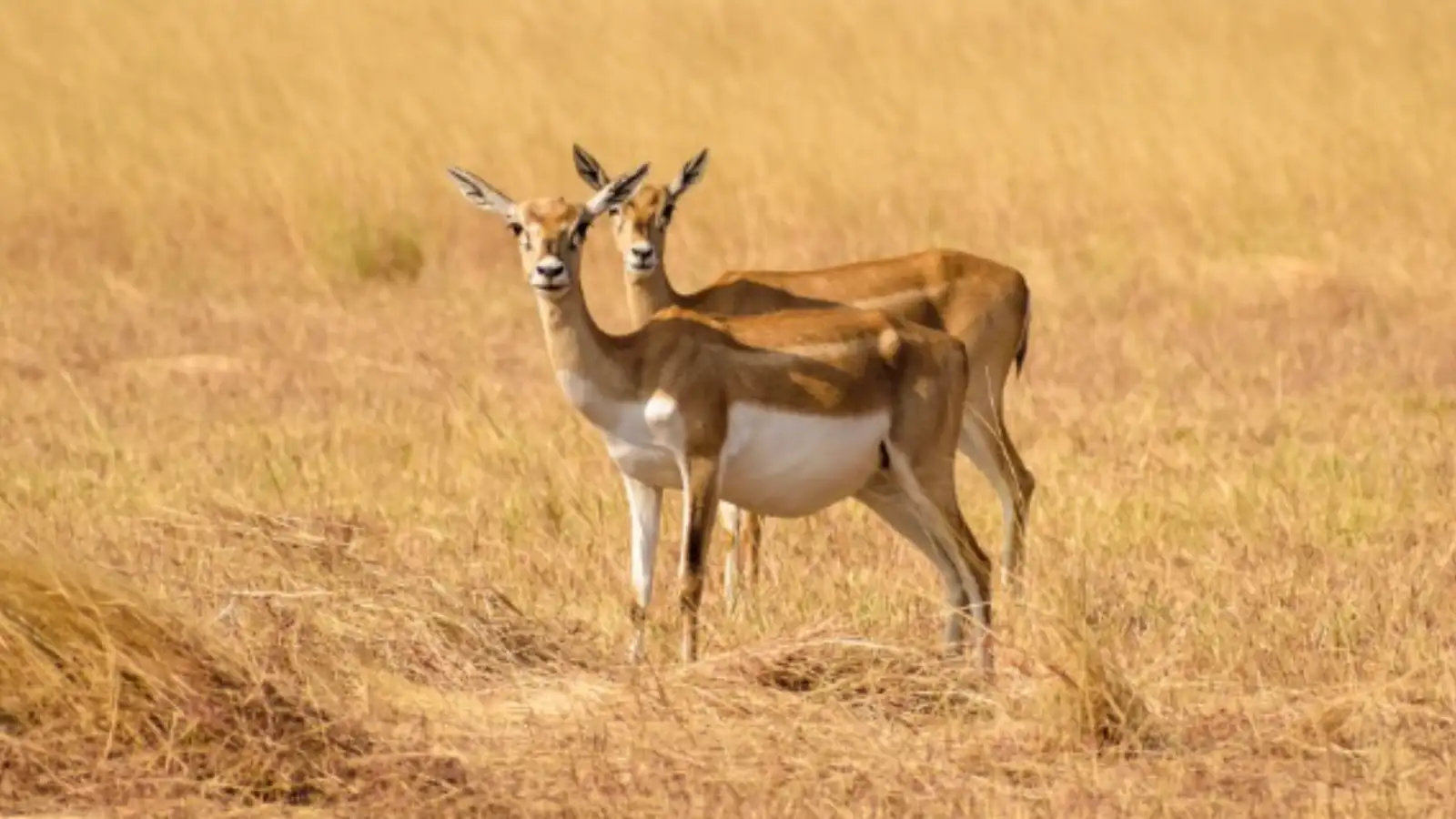
Great Indian Bustard : Rajasthan’s Most Endangered Desert Bird
One of the rarest birds in India, the Great Indian Bustard is fighting a battle for survival in Rajasthan’s Desert National Park. Once commonly seen across India’s grasslands, this magnificent bird is now found in extremely limited numbers.
Known for its tall frame and graceful movements, the bird has become a symbol of wildlife conservation in Rajasthan. Rapid habitat loss, human activity, and changing landscapes continue to threaten its survival. Spotting this bird in the wild is considered a dream moment for birdwatchers and wildlife photographers alike.
Indian Spiny-tailed Lizard: The Reptile That Thrives In Extreme Heat
The Indian Spiny-tailed Lizard is perfectly designed for life in Rajasthan’s dry desert terrain. Its rough-textured tail, sandy body colour, and underground burrows help it survive scorching temperatures that would be unbearable for most animals.
Unlike many lizards, this reptile mainly survives on desert plants and vegetation. During the hottest parts of the day, it escapes underground to stay cool. Its remarkable ability to adapt to the desert environment makes it one of the most fascinating reptiles found in the Thar region.
Chinkara : The Elegant Desert Survivor
The Chinkara, also called the Indian Gazelle, is among the most graceful animals roaming Rajasthan’s desert landscapes. Slim, fast, and highly alert, the Chinkara is built for survival in dry and water-scarce regions.
What makes this animal truly special is its ability to survive for long periods without directly drinking water. Instead, it receives moisture from plants and desert vegetation. Usually active during cooler hours of the day, the Chinkara can often be seen moving swiftly across open scrublands with effortless speed.
Desert Fox : The Silent Hunter Of The Thar
The Desert Fox is one of Rajasthan’s most mysterious nighttime predators. With its pale sandy fur and large sensitive ears, it blends naturally into the desert surroundings.
During daylight hours, the Desert Fox hides inside burrows and rocky shelters to avoid the intense desert heat. Once darkness falls, it quietly hunts insects, rodents, and smaller animals. Its sharp hearing allows it to detect even the slightest movement in the silent desert night. Because of its secretive behaviour, spotting one in the wild is an unforgettable experience.
Caracal: Rajasthan’s Rare Ghost Cat
Among the rarest wild cats in India, the Caracal remains one of the desert’s biggest mysteries. Recognisable by its striking black-tufted ears and powerful athletic build, this predator is rarely seen in the wild.
The Caracal prefers isolated scrublands and semi-arid desert regions where it hunts during dawn and dusk. Famous for its incredible jumping ability, the wild cat can leap high into the air to catch birds mid-flight. Due to shrinking habitats and declining populations, sightings of the Caracal have become exceptionally uncommon.
Desert Monitor Lizard: The Fearless Desert Reptile
The Desert Monitor Lizard is another fascinating reptile species found in Rajasthan’s dry regions. Known for its strong claws, sharp senses, and fast movement, this reptile is a skilled hunter despite the harsh desert conditions.
It feeds on insects, eggs, rodents, and smaller reptiles while using its burrowing skills to escape extreme heat. Its tough body and survival instincts make it one of the most resilient creatures of the Thar Desert.
Indian Eagle-Owl: The Night Watcher Of Rajasthan
The Indian Eagle-Owl is one of the desert’s most striking nocturnal birds. With piercing orange eyes and powerful wings, this owl silently dominates the desert skies after sunset.
Usually found near rocky cliffs and dry scrublands, the bird hunts rodents and smaller prey during the night. Its excellent camouflage helps it stay hidden during the daytime, making sightings relatively rare.
Saw-scaled Viper: The Dangerous Desert Snake
The Saw-scaled Viper is among the most dangerous snakes living in Rajasthan’s desert ecosystem. Despite its small size, this venomous reptile is known for its aggressive defence behaviour and lightning-fast strikes.
Its sand-coloured scales provide excellent camouflage in desert terrain, helping it remain hidden from predators and prey alike. The snake usually becomes active during cooler hours and survives efficiently in dry environments with very little water.
Rajasthan’s Desert Wildlife Is More Extraordinary Than Most People Realise
The Thar Desert is far more than just sand dunes and scorching temperatures. It is home to some of India’s most extraordinary and rare wildlife species, many of which have developed unbelievable survival abilities over thousands of years. From endangered birds and elusive wild cats to reptiles built for extreme heat, Rajasthan’s desert continues to surprise wildlife lovers with its hidden natural wonders.
Great Indian Bustard : Rajasthan’s Most Endangered Desert Bird
One of the rarest birds in India, the Great Indian Bustard is fighting a battle for survival in Rajasthan’s Desert National Park. Once commonly seen across India’s grasslands, this magnificent bird is now found in extremely limited numbers.
Known for its tall frame and graceful movements, the bird has become a symbol of wildlife conservation in Rajasthan. Rapid habitat loss, human activity, and changing landscapes continue to threaten its survival. Spotting this bird in the wild is considered a dream moment for birdwatchers and wildlife photographers alike.
Indian Spiny-tailed Lizard: The Reptile That Thrives In Extreme Heat
The Indian Spiny-tailed Lizard is perfectly designed for life in Rajasthan’s dry desert terrain. Its rough-textured tail, sandy body colour, and underground burrows help it survive scorching temperatures that would be unbearable for most animals.
Unlike many lizards, this reptile mainly survives on desert plants and vegetation. During the hottest parts of the day, it escapes underground to stay cool. Its remarkable ability to adapt to the desert environment makes it one of the most fascinating reptiles found in the Thar region.
Chinkara : The Elegant Desert Survivor
The Chinkara, also called the Indian Gazelle, is among the most graceful animals roaming Rajasthan’s desert landscapes. Slim, fast, and highly alert, the Chinkara is built for survival in dry and water-scarce regions.
What makes this animal truly special is its ability to survive for long periods without directly drinking water. Instead, it receives moisture from plants and desert vegetation. Usually active during cooler hours of the day, the Chinkara can often be seen moving swiftly across open scrublands with effortless speed.
Desert Fox : The Silent Hunter Of The Thar
The Desert Fox is one of Rajasthan’s most mysterious nighttime predators. With its pale sandy fur and large sensitive ears, it blends naturally into the desert surroundings.
During daylight hours, the Desert Fox hides inside burrows and rocky shelters to avoid the intense desert heat. Once darkness falls, it quietly hunts insects, rodents, and smaller animals. Its sharp hearing allows it to detect even the slightest movement in the silent desert night. Because of its secretive behaviour, spotting one in the wild is an unforgettable experience.
Caracal: Rajasthan’s Rare Ghost Cat
Among the rarest wild cats in India, the Caracal remains one of the desert’s biggest mysteries. Recognisable by its striking black-tufted ears and powerful athletic build, this predator is rarely seen in the wild.
The Caracal prefers isolated scrublands and semi-arid desert regions where it hunts during dawn and dusk. Famous for its incredible jumping ability, the wild cat can leap high into the air to catch birds mid-flight. Due to shrinking habitats and declining populations, sightings of the Caracal have become exceptionally uncommon.
Desert Monitor Lizard: The Fearless Desert Reptile
The Desert Monitor Lizard is another fascinating reptile species found in Rajasthan’s dry regions. Known for its strong claws, sharp senses, and fast movement, this reptile is a skilled hunter despite the harsh desert conditions.
It feeds on insects, eggs, rodents, and smaller reptiles while using its burrowing skills to escape extreme heat. Its tough body and survival instincts make it one of the most resilient creatures of the Thar Desert.
Indian Eagle-Owl: The Night Watcher Of Rajasthan
The Indian Eagle-Owl is one of the desert’s most striking nocturnal birds. With piercing orange eyes and powerful wings, this owl silently dominates the desert skies after sunset.
Usually found near rocky cliffs and dry scrublands, the bird hunts rodents and smaller prey during the night. Its excellent camouflage helps it stay hidden during the daytime, making sightings relatively rare.
Saw-scaled Viper: The Dangerous Desert Snake
The Saw-scaled Viper is among the most dangerous snakes living in Rajasthan’s desert ecosystem. Despite its small size, this venomous reptile is known for its aggressive defence behaviour and lightning-fast strikes.
Its sand-coloured scales provide excellent camouflage in desert terrain, helping it remain hidden from predators and prey alike. The snake usually becomes active during cooler hours and survives efficiently in dry environments with very little water.
Rajasthan’s Desert Wildlife Is More Extraordinary Than Most People Realise
The Thar Desert is far more than just sand dunes and scorching temperatures. It is home to some of India’s most extraordinary and rare wildlife species, many of which have developed unbelievable survival abilities over thousands of years. From endangered birds and elusive wild cats to reptiles built for extreme heat, Rajasthan’s desert continues to surprise wildlife lovers with its hidden natural wonders.
Next Story