
Rare Flowers From Around the World You Need to Know

Rare flowers have fascinated people for centuries with their unusual shapes, vibrant colors, and limited natural habitats. Some bloom only for a few hours, while others grow in remote forests, high mountains, or unique climates, making them difficult to find. Their rarity often comes from slow growth, specific environmental needs, or declining wild populations. Here are some of the world's most remarkable rare flowers and what makes each one extraordinary.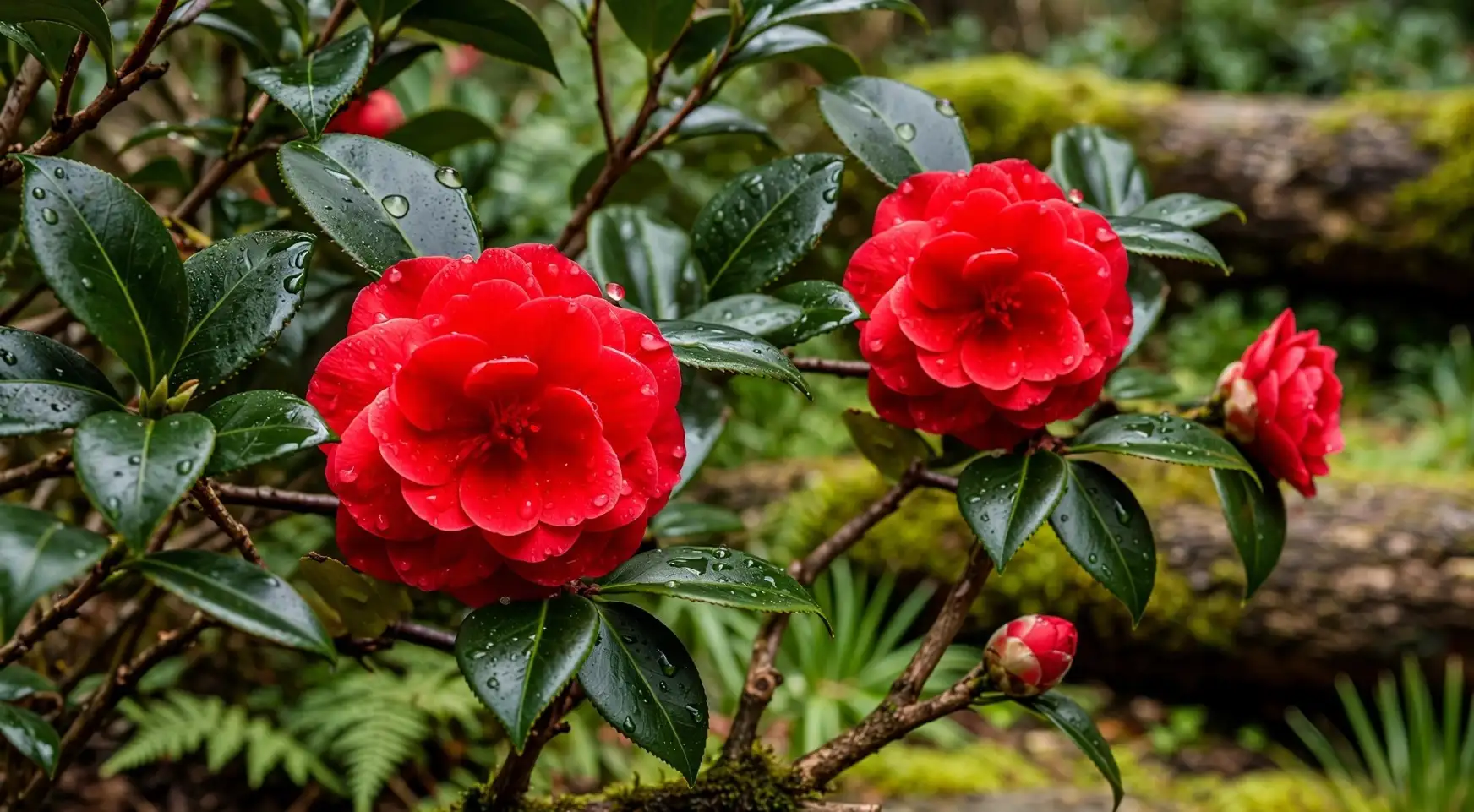
Ghost Orchid
The Ghost Orchid is one of the rarest orchids in the world, found mainly in the swamps of Florida in the United States and parts of Cuba. It has no leaves and appears to float in mid-air because its roots cling to tree trunks. Its delicate white flowers bloom only under ideal conditions, making sightings extremely uncommon.
Middlemist Red
Often regarded as one of the rarest flowers on Earth, the Middlemist Red exists in only a couple of known cultivated locations. Despite its name, it is actually a deep pink camellia. Originally from China, it disappeared from the wild after being introduced to gardens in the 19th century.
Jade Vine
Native to the tropical rainforests of the Philippines, the Jade Vine is famous for its stunning turquoise-blue flowers that hang in long clusters. The plant relies on bats for pollination, and habitat loss has made it increasingly rare in the wild.
Chocolate Cosmos
The Chocolate Cosmos is native to Mexico and is admired for its rich maroon petals and a fragrance that resembles dark chocolate. The original wild species is believed to be extinct, and today's plants survive only through cultivation.
Franklin Tree Flower
The Franklin tree is a flowering tree that once grew naturally in the southeastern United States. It disappeared from the wild during the early 1800s but continues to survive because botanists and gardeners preserved it in cultivation. Its white, fragrant flowers bloom in late summer.
Gibraltar Campion
The Gibraltar campion is a delicate flower once thought to be extinct. It naturally grows on the rocky cliffs of Gibraltar. Conservation efforts and successful propagation have helped restore the species, making it an inspiring example of plant recovery.
Kadupul Flower
Native to Sri Lanka, the Kadupul flower is famous for its incredibly short blooming period. It blossoms only at night and wilts before dawn, making it one of the most elusive flowers to witness. Its fleeting beauty has earned it a legendary reputation.
Corpse Flower
The Corpse flower is among the world's largest flowering plants and is known for its powerful odor, which resembles decaying flesh. Native to the rainforests of Sumatra, Indonesia, it blooms very rarely, sometimes only once every several years, attracting insects that help with pollination.
Parrot's Beak
Named for its curved flowers that resemble a bird's beak, this striking plant is native to the Canary Islands. Bright shades of red, orange, and yellow make it visually spectacular, but habitat changes have greatly reduced its natural population.
Himalayan Blue Poppy
Growing in the cool mountain regions of the Himalayas, the Himalayan Blue Poppy is admired for its brilliant sky-blue petals. It thrives only in specific climates with cool temperatures and moist soil, making it a prized flower among gardeners and plant enthusiasts.
Lady's Slipper Orchid
Lady's Slipper Orchids are recognized by their pouch-shaped blooms, which help trap insects for pollination. Different species grow across Europe, Asia, and North America, but many are considered rare due to habitat destruction and overcollection.
Youtan Poluo
The Youtan Poluo is surrounded by mystery and folklore. Tiny, delicate, and white in appearance, it has occasionally been reported in different parts of Asia. While many stories attribute extraordinary significance to the flower, scientific evidence about its identity remains uncertain, adding to its intrigue.
Why Are These Flowers So Rare?
Many rare flowers face challenges that threaten their survival, including:
The Importance of Conserving Rare Flowers
Rare flowers are more than beautiful plants, they are valuable parts of Earth's biodiversity. They support pollinators, contribute to healthy ecosystems, and often hold cultural or scientific importance. Botanical gardens, seed banks, habitat restoration, and conservation programs play a crucial role in protecting these extraordinary species for future generations.
From the ghostly elegance of the ghost orchid to the dramatic bloom of the corpse flower and the fleeting beauty of the Kadupul flower, rare flowers remind us of nature's incredible diversity. Protecting their habitats and supporting conservation efforts can help ensure these botanical wonders continue to inspire generations to come.
Disclaimer: This article is published for general informational and educational purposes only. While every effort has been made to ensure accuracy, information about rare flowers, their habitats, and conservation status may change over time. Readers are encouraged to refer to official botanical and conservation sources for the latest information.
Ghost Orchid
The Ghost Orchid is one of the rarest orchids in the world, found mainly in the swamps of Florida in the United States and parts of Cuba. It has no leaves and appears to float in mid-air because its roots cling to tree trunks. Its delicate white flowers bloom only under ideal conditions, making sightings extremely uncommon. Middlemist Red
Often regarded as one of the rarest flowers on Earth, the Middlemist Red exists in only a couple of known cultivated locations. Despite its name, it is actually a deep pink camellia. Originally from China, it disappeared from the wild after being introduced to gardens in the 19th century.Jade Vine
Native to the tropical rainforests of the Philippines, the Jade Vine is famous for its stunning turquoise-blue flowers that hang in long clusters. The plant relies on bats for pollination, and habitat loss has made it increasingly rare in the wild. Chocolate Cosmos
The Chocolate Cosmos is native to Mexico and is admired for its rich maroon petals and a fragrance that resembles dark chocolate. The original wild species is believed to be extinct, and today's plants survive only through cultivation.Franklin Tree Flower
The Franklin tree is a flowering tree that once grew naturally in the southeastern United States. It disappeared from the wild during the early 1800s but continues to survive because botanists and gardeners preserved it in cultivation. Its white, fragrant flowers bloom in late summer. Gibraltar Campion
The Gibraltar campion is a delicate flower once thought to be extinct. It naturally grows on the rocky cliffs of Gibraltar. Conservation efforts and successful propagation have helped restore the species, making it an inspiring example of plant recovery. Kadupul Flower
Native to Sri Lanka, the Kadupul flower is famous for its incredibly short blooming period. It blossoms only at night and wilts before dawn, making it one of the most elusive flowers to witness. Its fleeting beauty has earned it a legendary reputation. Corpse Flower
The Corpse flower is among the world's largest flowering plants and is known for its powerful odor, which resembles decaying flesh. Native to the rainforests of Sumatra, Indonesia, it blooms very rarely, sometimes only once every several years, attracting insects that help with pollination.You may also like
- How Hormonal Imbalances Can Make It Harder to Get Pregnant
- Tired of office stress and work pressure? Refresh your mind with these activities
- The biggest monsoon gardening mistakes
- Is Europe's record-breaking hottest June a dire warning for climate change?
- Why monsoon is your balcony garden's golden season
Parrot's Beak
Named for its curved flowers that resemble a bird's beak, this striking plant is native to the Canary Islands. Bright shades of red, orange, and yellow make it visually spectacular, but habitat changes have greatly reduced its natural population. Himalayan Blue Poppy
Growing in the cool mountain regions of the Himalayas, the Himalayan Blue Poppy is admired for its brilliant sky-blue petals. It thrives only in specific climates with cool temperatures and moist soil, making it a prized flower among gardeners and plant enthusiasts. Lady's Slipper Orchid
Lady's Slipper Orchids are recognized by their pouch-shaped blooms, which help trap insects for pollination. Different species grow across Europe, Asia, and North America, but many are considered rare due to habitat destruction and overcollection. Youtan Poluo
The Youtan Poluo is surrounded by mystery and folklore. Tiny, delicate, and white in appearance, it has occasionally been reported in different parts of Asia. While many stories attribute extraordinary significance to the flower, scientific evidence about its identity remains uncertain, adding to its intrigue. Why Are These Flowers So Rare?
Many rare flowers face challenges that threaten their survival, including: - Habitat destruction due to urbanization and deforestation.
- Climate change affecting their natural growing conditions.
- Illegal collection and overharvesting.
- Dependence on specific pollinators or ecosystems.
- Slow growth and limited geographic distribution.
The Importance of Conserving Rare Flowers
Rare flowers are more than beautiful plants, they are valuable parts of Earth's biodiversity. They support pollinators, contribute to healthy ecosystems, and often hold cultural or scientific importance. Botanical gardens, seed banks, habitat restoration, and conservation programs play a crucial role in protecting these extraordinary species for future generations.From the ghostly elegance of the ghost orchid to the dramatic bloom of the corpse flower and the fleeting beauty of the Kadupul flower, rare flowers remind us of nature's incredible diversity. Protecting their habitats and supporting conservation efforts can help ensure these botanical wonders continue to inspire generations to come.
Disclaimer: This article is published for general informational and educational purposes only. While every effort has been made to ensure accuracy, information about rare flowers, their habitats, and conservation status may change over time. Readers are encouraged to refer to official botanical and conservation sources for the latest information.






Loving Newspoint? Download the app now
