
How To Identify Real Cinnamon: 5 Easy Checks To Try At Home

Cinnamon is one of the most versatile spices found in Indian kitchens. From masala chai and pulao to biryani and desserts, its warm aroma and distinctive flavour can transform a dish. However, the cinnamon you find in shops may belong to different varieties.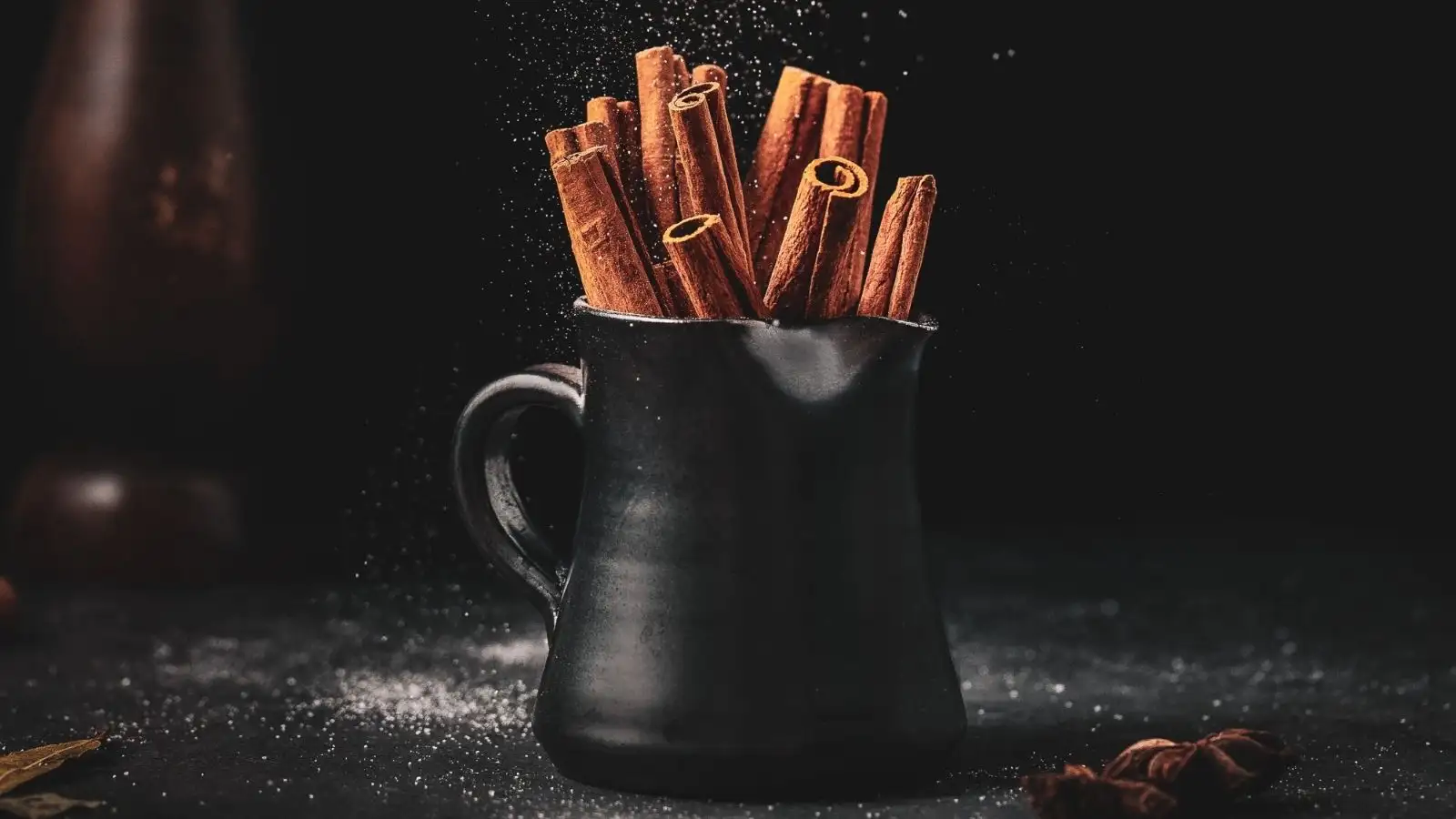
Two commonly encountered types are Ceylon cinnamon , also known as true cinnamon, and Cassia cinnamon. It is important to note that Cassia is not fake cinnamon. It is a different type of cinnamon. The confusion generally occurs when another variety is incorrectly marketed as Ceylon cinnamon.
If you specifically want Ceylon cinnamon, these simple real cinnamon identification checks can help you spot some of the differences.
However, colour alone is not enough to confirm the variety. Natural differences, processing and storage can all influence the appearance of cinnamon.
Ceylon cinnamon sticks are typically made from several very thin layers of bark rolled tightly together. When viewed from the end, they often have a delicate, layered appearance.
Cassia sticks are generally thicker and harder, with fewer, more substantial layers. This makes the difference particularly noticeable when comparing whole sticks side by side.
Cassia tends to be thicker, tougher and harder. Gently examining the texture can therefore provide another indication of the variety.
Still, storage conditions and moisture can affect texture, so this should only be treated as one part of your cinnamon purity check .
If you have both varieties available, smelling them next to each other can make the difference easier to recognise. However, aroma alone cannot establish whether a product is authentic or free from adulteration.
Taste can help you distinguish the two varieties, but it should not be considered a definitive test for authenticity or purity.
You may also come across products labelled Cassia, Indonesian cinnamon or Vietnamese cinnamon. These are commercially recognised varieties and are not automatically fake. A packet labelled simply "cinnamon" does not necessarily mean that it contains Ceylon cinnamon.
If you specifically want Ceylon cinnamon, buying whole sticks can therefore make visual identification easier. Look at the layers, colour and texture, then check the product label and seller information.
Remember that these Ceylon cinnamon identification methods are only useful visual and sensory clues. They cannot conclusively establish purity or detect every form of adulteration. For greater confidence, choose clearly labelled products from reputable sellers and look for the appropriate botanical name when buying Ceylon cinnamon.
Two commonly encountered types are Ceylon cinnamon , also known as true cinnamon, and Cassia cinnamon. It is important to note that Cassia is not fake cinnamon. It is a different type of cinnamon. The confusion generally occurs when another variety is incorrectly marketed as Ceylon cinnamon.
If you specifically want Ceylon cinnamon, these simple real cinnamon identification checks can help you spot some of the differences.
1. Check The Colour
The colour of a cinnamon stick can provide an initial clue. Ceylon cinnamon is generally lighter, with shades ranging from pale brown to light reddish-brown. Cassia is usually darker and has a deeper reddish-brown appearance.However, colour alone is not enough to confirm the variety. Natural differences, processing and storage can all influence the appearance of cinnamon.
2. Look At The Layers
One of the easiest ways to distinguish Ceylon cinnamon vs Cassia is to look inside a whole stick.Ceylon cinnamon sticks are typically made from several very thin layers of bark rolled tightly together. When viewed from the end, they often have a delicate, layered appearance.
Cassia sticks are generally thicker and harder, with fewer, more substantial layers. This makes the difference particularly noticeable when comparing whole sticks side by side.
3. Examine The Texture
Ceylon cinnamon is generally thinner and more delicate. Because it contains several thin layers, the stick can be relatively easy to break or crumble.Cassia tends to be thicker, tougher and harder. Gently examining the texture can therefore provide another indication of the variety.
Still, storage conditions and moisture can affect texture, so this should only be treated as one part of your cinnamon purity check .
4. Compare The Aroma
The fragrance of cinnamon can offer another useful clue. Ceylon cinnamon generally has a softer, sweeter and more delicate aroma. Cassia usually produces a stronger and more intense fragrance.If you have both varieties available, smelling them next to each other can make the difference easier to recognise. However, aroma alone cannot establish whether a product is authentic or free from adulteration.
5. Notice The Taste
There can also be a difference in flavour. Ceylon cinnamon tends to have a mild, delicate and slightly sweet taste, while Cassia is generally stronger, warmer and more pungent.You may also like
- In the 2010s, Leonardo DiCaprio became a serious real estate investor: Inside the properties behind his Hollywood portfolio
- 'My daughter was ill, yet I was forced to work...': Woman's protest over termination claims sparks debate on workplace harassment
- Headache Striking Suddenly? This Simple Salt-and-Water Trick Is Being Shared for Quick Relief
- Health Tips: If you consume dry fruits daily, you will get many benefits, you can include them in your diet
- A spectacular confluence of classical dances unfolds in Pune
Taste can help you distinguish the two varieties, but it should not be considered a definitive test for authenticity or purity.
Always Read The Label
If you specifically want Ceylon cinnamon, check the packaging for terms such as "Ceylon cinnamon" or Cinnamomum verum .You may also come across products labelled Cassia, Indonesian cinnamon or Vietnamese cinnamon. These are commercially recognised varieties and are not automatically fake. A packet labelled simply "cinnamon" does not necessarily mean that it contains Ceylon cinnamon.
Why Whole Cinnamon Is Easier To Identify
Identifying real cinnamon becomes considerably more difficult once the spice has been ground into powder. The layers, thickness and texture of the bark are no longer visible.If you specifically want Ceylon cinnamon, buying whole sticks can therefore make visual identification easier. Look at the layers, colour and texture, then check the product label and seller information.
Remember that these Ceylon cinnamon identification methods are only useful visual and sensory clues. They cannot conclusively establish purity or detect every form of adulteration. For greater confidence, choose clearly labelled products from reputable sellers and look for the appropriate botanical name when buying Ceylon cinnamon.






Loving Newspoint? Download the app now
