
Common Signs of Dehydration You Should Never Ignore

Water is one of the most essential nutrients the body needs, yet many people do not drink enough of it throughout the day. Busy schedules, changing weather, travel and simply forgetting to refill a water bottle can all lead to mild dehydration. While severe dehydration is a medical emergency, even a small drop in the body's water levels can affect energy, concentration and overall wellbeing. The body usually sends early warning signs when it needs more fluids, but these signals are often mistaken for something else. Recognising the signs you're not drinking enough water can help you stay healthy and avoid problems before they become more serious.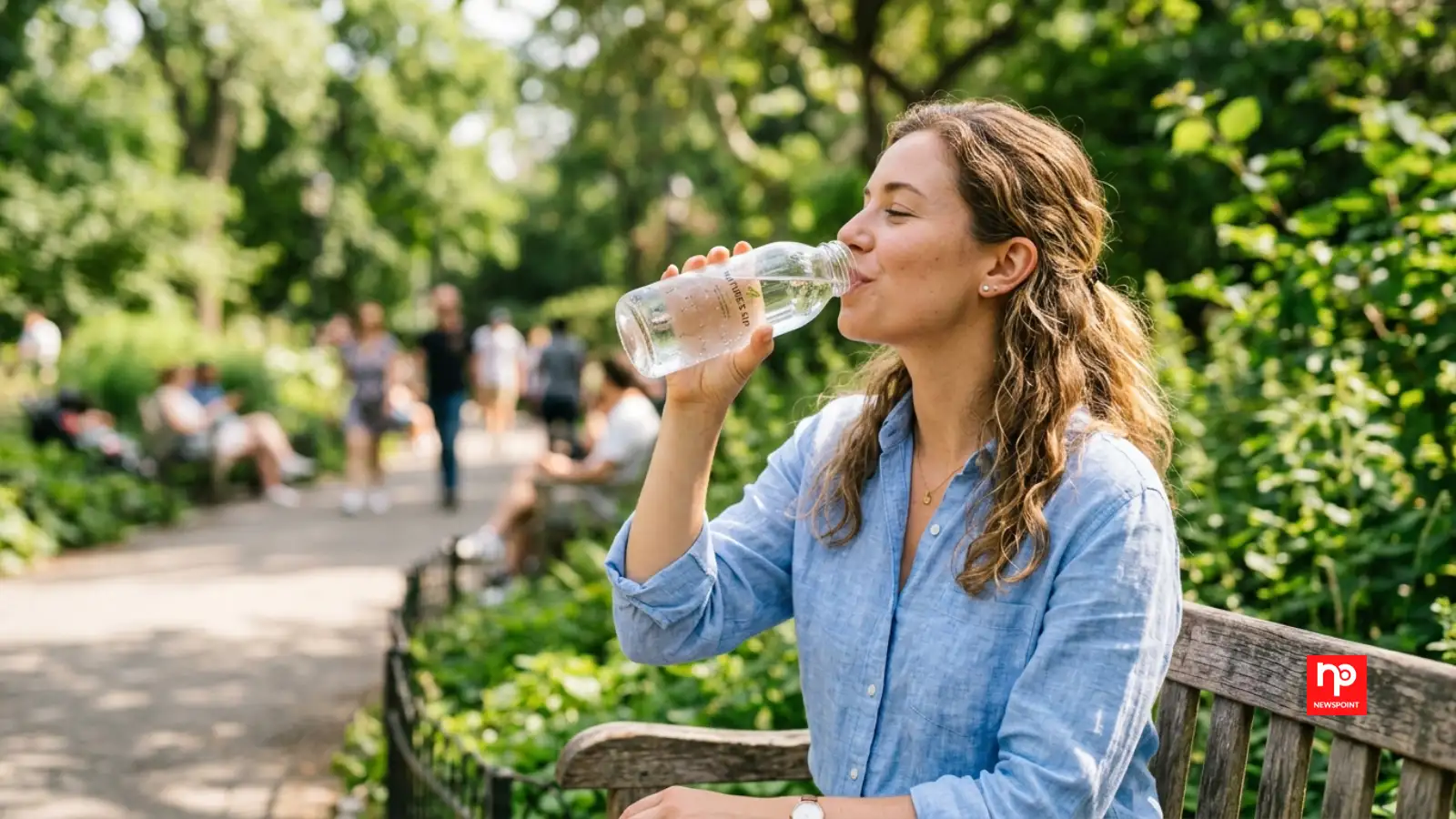
Fluid needs vary from person to person. Factors such as physical activity, hot weather, illness and certain medications can increase the amount of water the body requires. Rather than focusing only on a specific number of glasses each day, it is important to pay attention to your body's signals.
A dry mouth, sticky lips or a rough feeling in the throat are also common signs. Saliva helps protect teeth and gums, so reduced saliva production can make the mouth feel uncomfortable and may increase the risk of bad breath.
Sipping water regularly throughout the day is generally more effective than drinking large amounts all at once.
Another sign is urinating less frequently than usual. Healthy adults typically pass urine several times a day, although frequency varies depending on fluid intake and individual health.
If dark urine persists despite drinking enough water, it is advisable to seek medical advice, as other health conditions can sometimes be responsible.
Headaches are another common symptom of dehydration. Reduced fluid levels can temporarily affect blood flow and the balance of fluids surrounding the brain.
Difficulty concentrating, feeling unusually irritable or struggling to focus during work or study may also be linked to inadequate hydration.
Muscle cramps may also occur, particularly during exercise or hot weather when the body loses fluids through sweating. Replacing both water and electrolytes after prolonged physical activity is important for maintaining normal muscle function.
People who spend long periods outdoors should pay particular attention to staying hydrated, especially during summer.
Older adults are often at greater risk because the sensation of thirst naturally becomes less noticeable with age. Children may also become dehydrated more quickly than adults, especially during illness or active play.
Carrying a reusable water bottle, drinking water with meals and eating water-rich foods such as cucumbers, oranges and watermelon are simple habits that can support better hydration.
Why Staying Hydrated Is So Important
Around half to two-thirds of the human body is made up of water, depending on factors such as age and body composition. Water supports almost every major bodily function, including regulating temperature, transporting nutrients, aiding digestion and removing waste through urine and sweat.Fluid needs vary from person to person. Factors such as physical activity, hot weather, illness and certain medications can increase the amount of water the body requires. Rather than focusing only on a specific number of glasses each day, it is important to pay attention to your body's signals.
Persistent Thirst and a Dry Mouth
Feeling thirsty is the body's most obvious reminder that it needs more fluids. However, thirst often appears after mild dehydration has already begun.A dry mouth, sticky lips or a rough feeling in the throat are also common signs. Saliva helps protect teeth and gums, so reduced saliva production can make the mouth feel uncomfortable and may increase the risk of bad breath.
Sipping water regularly throughout the day is generally more effective than drinking large amounts all at once.
Dark Urine and Fewer Toilet Visits
The colour of your urine can provide useful clues about hydration. Pale yellow urine usually indicates adequate hydration, while darker yellow or amber-coloured urine may suggest you need more fluids.Another sign is urinating less frequently than usual. Healthy adults typically pass urine several times a day, although frequency varies depending on fluid intake and individual health.
If dark urine persists despite drinking enough water, it is advisable to seek medical advice, as other health conditions can sometimes be responsible.
You may also like
- Setback ahead of the 8th Pay Commission! Career progression halted for these central employees; here are the details.
- Author Rheaa Noor on the quiet power of storytelling and creative identity
- Michael B. Jordan Unveils First Look at The Thomas Crown Affair
- Rajshri Deshpande-led Baapya heads Marathi line-up at IFFM | EXCLUSIVE
- Vande Bharat: What is the salary of a Vande Bharat loco pilot? Here is the recruitment process.
Tiredness, Headaches and Poor Concentration
Many people blame lack of sleep for feeling tired, but dehydration can also reduce energy levels. When the body lacks enough water, the heart works harder to circulate blood, which may contribute to fatigue.Headaches are another common symptom of dehydration. Reduced fluid levels can temporarily affect blood flow and the balance of fluids surrounding the brain.
Difficulty concentrating, feeling unusually irritable or struggling to focus during work or study may also be linked to inadequate hydration.
Dry Skin and Muscle Cramps
Water plays an important role in maintaining healthy skin. While dry skin has many possible causes, dehydration can make it appear dull and less elastic.Muscle cramps may also occur, particularly during exercise or hot weather when the body loses fluids through sweating. Replacing both water and electrolytes after prolonged physical activity is important for maintaining normal muscle function.
People who spend long periods outdoors should pay particular attention to staying hydrated, especially during summer.
Lesser-Known Signs of Dehydration
Some lesser-known symptoms include persistent bad breath, increased food cravings and occasional dizziness when standing up quickly. Mild dehydration may also contribute to constipation because the body absorbs more water from waste in the intestines, making stools harder to pass.Older adults are often at greater risk because the sensation of thirst naturally becomes less noticeable with age. Children may also become dehydrated more quickly than adults, especially during illness or active play.
Why Hydration Matters More Than Ever
Modern lifestyles often involve air-conditioned offices, long commutes and hours spent looking at screens, all of which can make people forget to drink enough water. Increased consumption of caffeinated drinks and sugary beverages may also reduce the amount of plain water people consume each day.Carrying a reusable water bottle, drinking water with meals and eating water-rich foods such as cucumbers, oranges and watermelon are simple habits that can support better hydration.






Loving Newspoint? Download the app now
