
Rectal Pressure During Ovulation: Is It Normal?


Experiencing unusual rectal pressure during ovulation can lead to discomfort. You might worry if this indicates any underlying health conditions. In reality, many women notice pelvic or rectal pressure around ovulation due to normal anatomical and hormonal changes.
Understanding what your body is going through helps you navigate discomfort calmly and recognise when symptoms require medical attention.
What Causes Ovulation and Why Does the Pelvic Area Get Affected?
Ovulation happens when an egg is released from one of your ovaries, generally around the middle of your cycle. If you have a typical 28-day cycle, this often happens around day 14, but timing can vary from person to person.
The timing is regulated by hormones, particularly a rise in luteinising hormone. This process affects your ovaries along with nearby pelvic structures, including the uterus, bowel, and rectum.
Because these organs are located very close together, changes in one area can be felt in another.
What Does Ovulation-Related Rectal Pressure Feel Like?
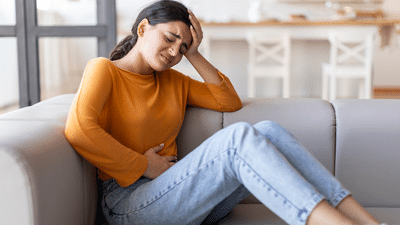
Feeling pressure in the rectal area during ovulation is common among many individuals. The pressure may involve fullness, heaviness, a slight pain, or a pushing sensation around your rectum. Some individuals say it’s uncomfortable to sit, feels like bowel pressure, or a dull ache that keeps coming back.
The feeling might last for a few hours or up to two days, and it usually stops after ovulation.
What Causes Rectal Pressure During Ovulation?
Pelvic Anatomy and Organ ProximityYour ovaries sit close to the bowel and rectum. When an ovary releases an egg, it may swell a bit. This swelling can press on adjacent tissues, causing a feeling of pressure around the rectum.
Follicle Rupture & Release of FluidWhen an egg is released, the follicle that held it ruptures. This releases a bit of fluid or blood into the pelvic area. This fluid can disrupt the function of adjoining tissues, including nerves in the rectal area, leading to pressure or discomfort.
How Are Hormones & Rectal Sensations Related?
Oestrogen & Tissue ReactivityJust before ovulation, your oestrogen level surges. This increase can cause more blood flow and make your rectal area more sensitive. As a result, you might notice sensations that do not usually occur.
Progesterone & Muscle RelaxationProgesterone levels surge after ovulation. Progesterone loosens smooth muscles, including those in your digestive system. This loosening can inhibit bowel movement a bit, making you feel fuller or like there’s pressure in your rectum.
Is It Normal to Feel Rectal Pressure on One Side?Yes, that sensation is very common. Ovulation usually occurs from one ovary at a time. If your rectal area is close to the ovary releasing an egg, the pressure can feel more pronounced on that side.
Why Do Ovulation Discomfort & Rectal Pressure Occur Together? Common Routes of the NervesThe shared pathways of the nerves in your pelvic area transmit sensations from the ovaries, womb, bladder, and rectum. The nervous signals are interpreted in your brain as pelvic discomfort during ovulation.

Reaction of MusclesOvulation pain may cause tightness of the pelvic muscles, thereby increasing pain intensity in the rectal area.
Can Digestion Contribute to Such Discomfort?Hormonal changes during ovulation can be a cause of gastrointestinal problems such as gas, bowel, or bloating, complicating the discomfort. When your bowel strains an ovary which is already swollen, it can make the pain even worse.
Is Rectal Pressure During Ovulation a Typical Symptom?For many women, yes. It does not affect fertility or long-term health, and it often resolves on its own.
However, the intensity plays a role here. Mild to moderate brief pressure is usually harmless. Severe or worsening pain is not typical and should be evaluated.
When Should Rectal Pressure Be a Cause for Concern?You should consult a doctor if rectal pressure during ovulation is accompanied by:
Ovarian CystsFunctional ovarian cysts can form during ovulation. While most are not a concern, larger cysts may exert pressure.
EndometriosisEndometriosis can cause pain in your pelvic and rectal area, and pain during ovulation because tissues grow outside the uterus.
How to Ease Rectal Pressure During Ovulation?You can take simple steps to reduce discomfort.
Lifestyle and Comfort MeasuresGentle exercise, warm compresses, and adequate hydration can ease pelvic tension. Resting on your side may reduce pressure.
Dietary SupportEating fibre-rich foods helps prevent constipation, which can worsen rectal pressure. Drinking enough water supports smoother digestion.
Pain ReliefIf your doctor approves, over-the-counter pain relievers may provide some relief. It’s better not to take medicines on your own without consulting a doctor.
Emotional & Mental ImpactUnusual sensations in your pelvic area can make you feel anxious, particularly if you’re trying for a baby or paying close attention to your ovulation cycle.
Open communication with your partner or healthcare provider helps lower your stress. Understanding your body’s patterns makes you feel confident and secure.
What Should Be Done Further?
This approach helps you manage symptoms calmly and effectively.
Rectal pressure occurring at the time of ovulation often involves hormonal shifts, your pelvic anatomy, and ovarian function. You can navigate this phase more effectively by understanding its causes and carefully monitoring symptoms. If needed, seeing a doctor can help you better manage your reproductive health.
You’re not alone in your journey when trying to conceive. Join our supportive community to connect with others, share experiences, and find encouragement every step of the way.
FAQs on Rectal Pressure During Ovulation: Is It Normal?Can ovulation-related rectal discomfort cause fertility issues?
No. Mild rectal pressure does not affect ovulation or fertility and usually reflects normal ovarian activity. Does rectal pressure mean ovulation is occurring?
It may indicate the occurrence of ovulation, but it doesn’t happen to every individual. Ovulation can occur without noticeable discomfort. Can rectal pressure worsen with age?
Hormonal changes with age may alter how ovulation feels, but a doctor should always evaluate worsening pain.
Understanding what your body is going through helps you navigate discomfort calmly and recognise when symptoms require medical attention.
What Causes Ovulation and Why Does the Pelvic Area Get Affected?
Ovulation happens when an egg is released from one of your ovaries, generally around the middle of your cycle. If you have a typical 28-day cycle, this often happens around day 14, but timing can vary from person to person.
The timing is regulated by hormones, particularly a rise in luteinising hormone. This process affects your ovaries along with nearby pelvic structures, including the uterus, bowel, and rectum.
Because these organs are located very close together, changes in one area can be felt in another.
What Does Ovulation-Related Rectal Pressure Feel Like?
Feeling pressure in the rectal area during ovulation is common among many individuals. The pressure may involve fullness, heaviness, a slight pain, or a pushing sensation around your rectum. Some individuals say it’s uncomfortable to sit, feels like bowel pressure, or a dull ache that keeps coming back.
The feeling might last for a few hours or up to two days, and it usually stops after ovulation.
What Causes Rectal Pressure During Ovulation?
Pelvic Anatomy and Organ ProximityYour ovaries sit close to the bowel and rectum. When an ovary releases an egg, it may swell a bit. This swelling can press on adjacent tissues, causing a feeling of pressure around the rectum.
Follicle Rupture & Release of FluidWhen an egg is released, the follicle that held it ruptures. This releases a bit of fluid or blood into the pelvic area. This fluid can disrupt the function of adjoining tissues, including nerves in the rectal area, leading to pressure or discomfort.
How Are Hormones & Rectal Sensations Related?
Oestrogen & Tissue ReactivityJust before ovulation, your oestrogen level surges. This increase can cause more blood flow and make your rectal area more sensitive. As a result, you might notice sensations that do not usually occur.
Progesterone & Muscle RelaxationProgesterone levels surge after ovulation. Progesterone loosens smooth muscles, including those in your digestive system. This loosening can inhibit bowel movement a bit, making you feel fuller or like there’s pressure in your rectum.
Is It Normal to Feel Rectal Pressure on One Side?Yes, that sensation is very common. Ovulation usually occurs from one ovary at a time. If your rectal area is close to the ovary releasing an egg, the pressure can feel more pronounced on that side.
Why Do Ovulation Discomfort & Rectal Pressure Occur Together? Common Routes of the NervesThe shared pathways of the nerves in your pelvic area transmit sensations from the ovaries, womb, bladder, and rectum. The nervous signals are interpreted in your brain as pelvic discomfort during ovulation.
Reaction of MusclesOvulation pain may cause tightness of the pelvic muscles, thereby increasing pain intensity in the rectal area.
Can Digestion Contribute to Such Discomfort?Hormonal changes during ovulation can be a cause of gastrointestinal problems such as gas, bowel, or bloating, complicating the discomfort. When your bowel strains an ovary which is already swollen, it can make the pain even worse.
Is Rectal Pressure During Ovulation a Typical Symptom?For many women, yes. It does not affect fertility or long-term health, and it often resolves on its own.
However, the intensity plays a role here. Mild to moderate brief pressure is usually harmless. Severe or worsening pain is not typical and should be evaluated.
When Should Rectal Pressure Be a Cause for Concern?You should consult a doctor if rectal pressure during ovulation is accompanied by:
- Severe or sharp pain
- Pain lasting longer than two days
- Fever or chills
- Heavy vaginal bleeding
- Pain during bowel movements
- Pain during intercourse
Ovarian CystsFunctional ovarian cysts can form during ovulation. While most are not a concern, larger cysts may exert pressure.
EndometriosisEndometriosis can cause pain in your pelvic and rectal area, and pain during ovulation because tissues grow outside the uterus.
How to Ease Rectal Pressure During Ovulation?You can take simple steps to reduce discomfort.
Lifestyle and Comfort MeasuresGentle exercise, warm compresses, and adequate hydration can ease pelvic tension. Resting on your side may reduce pressure.
Dietary SupportEating fibre-rich foods helps prevent constipation, which can worsen rectal pressure. Drinking enough water supports smoother digestion.
Pain ReliefIf your doctor approves, over-the-counter pain relievers may provide some relief. It’s better not to take medicines on your own without consulting a doctor.
Emotional & Mental ImpactUnusual sensations in your pelvic area can make you feel anxious, particularly if you’re trying for a baby or paying close attention to your ovulation cycle.
Open communication with your partner or healthcare provider helps lower your stress. Understanding your body’s patterns makes you feel confident and secure.
What Should Be Done Further?
- Track the moments of discomfort
- Monitor the type of discomfort
- Gently apply warm compresses
- Seek medical advice if pain is severe or persistent
This approach helps you manage symptoms calmly and effectively.
Rectal pressure occurring at the time of ovulation often involves hormonal shifts, your pelvic anatomy, and ovarian function. You can navigate this phase more effectively by understanding its causes and carefully monitoring symptoms. If needed, seeing a doctor can help you better manage your reproductive health.
You’re not alone in your journey when trying to conceive. Join our supportive community to connect with others, share experiences, and find encouragement every step of the way.
FAQs on Rectal Pressure During Ovulation: Is It Normal?
No. Mild rectal pressure does not affect ovulation or fertility and usually reflects normal ovarian activity.
It may indicate the occurrence of ovulation, but it doesn’t happen to every individual. Ovulation can occur without noticeable discomfort.
Hormonal changes with age may alter how ovulation feels, but a doctor should always evaluate worsening pain.
Next Story