
Why We Stopped Sleeping Twice a Night and What History Can Teach Us

Today, sleeping through the night is considered normal. Most people aim for seven to eight uninterrupted hours before waking in the morning. If someone wakes up in the middle of the night, they often assume something is wrong.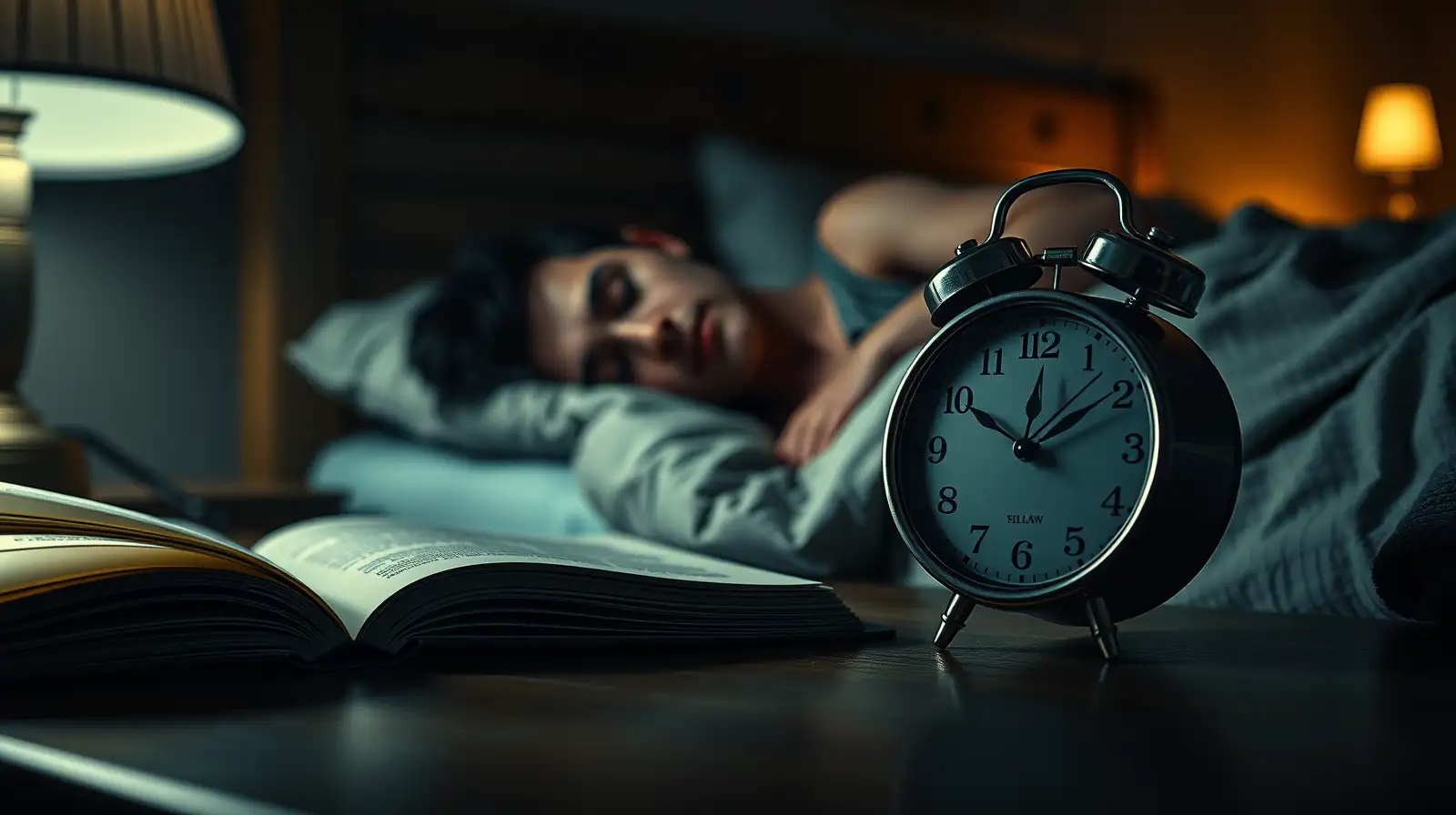
Yet for centuries, many people followed a completely different sleep pattern.
Historical records suggest that people across Europe commonly practised what historians call " segmented sleep " or " biphasic sleep ". Instead of one long sleep, they slept in two separate phases with a period of wakefulness in between.
It sounds unusual today, but for generations it was simply part of everyday life.
People often went to bed shortly after sunset. After several hours of sleep, they would naturally wake during the middle of the night.
This waking period could last for an hour or more. During that time, people might read, pray, talk quietly, complete household tasks, or simply relax.
Eventually they would return to bed for a second sleep until morning.
References to "first sleep" and "second sleep" appear in diaries, literature, court records, and medical writings dating back hundreds of years.
Streetlights, gas lamps, and eventually electricity allowed people to stay active long after sunset. Work schedules became more structured, and industrialisation encouraged fixed daily timetables.
As evenings became longer and busier, bedtime shifted later.
Over time, the gap between first and second sleep disappeared, creating the single-block sleep pattern that dominates modern life.
Most people never realised an alternative had once been common.
Human sleep patterns evolved over thousands of years, and historical evidence suggests that waking naturally during the night was once widespread.
This does not mean everyone should intentionally adopt segmented sleep today. Modern schedules often make that impractical.
However, understanding sleep history can help people view occasional night waking with a little less anxiety.
Something as personal and biological as sleep can change dramatically when society changes its relationship with light, work, and time.
Many behaviours we consider natural are actually shaped by cultural and technological developments.
Sleep offers an interesting example. Before electric lighting, human routines were closely linked to natural cycles of daylight and darkness.
The forgotten practice of sleeping in two phases reminds us that many aspects of modern life are newer than they seem and that history still has surprising lessons hidden within ordinary daily habits.
Yet for centuries, many people followed a completely different sleep pattern.
Historical records suggest that people across Europe commonly practised what historians call " segmented sleep " or " biphasic sleep ". Instead of one long sleep, they slept in two separate phases with a period of wakefulness in between.
It sounds unusual today, but for generations it was simply part of everyday life.
How People Slept Before Modern Lighting
Before electric lights transformed daily routines, darkness played a much larger role in shaping human behaviour.People often went to bed shortly after sunset. After several hours of sleep, they would naturally wake during the middle of the night.
This waking period could last for an hour or more. During that time, people might read, pray, talk quietly, complete household tasks, or simply relax.
Eventually they would return to bed for a second sleep until morning.
References to "first sleep" and "second sleep" appear in diaries, literature, court records, and medical writings dating back hundreds of years.
What Changed Our Sleeping Habits?
The arrival of artificial lighting gradually altered human routines.Streetlights, gas lamps, and eventually electricity allowed people to stay active long after sunset. Work schedules became more structured, and industrialisation encouraged fixed daily timetables.
As evenings became longer and busier, bedtime shifted later.
Over time, the gap between first and second sleep disappeared, creating the single-block sleep pattern that dominates modern life.
Most people never realised an alternative had once been common.
Could Waking Up at Night Be Natural?
Some sleep researchers have suggested that brief periods of night-time wakefulness may not always indicate poor sleep.Human sleep patterns evolved over thousands of years, and historical evidence suggests that waking naturally during the night was once widespread.
This does not mean everyone should intentionally adopt segmented sleep today. Modern schedules often make that impractical.
However, understanding sleep history can help people view occasional night waking with a little less anxiety.
What This Reveals About Modern Lifestyles
The story highlights how strongly technology influences daily habits.Something as personal and biological as sleep can change dramatically when society changes its relationship with light, work, and time.
Many behaviours we consider natural are actually shaped by cultural and technological developments.
A Forgotten Chapter of Everyday Life
World Environment Day often encourages people to think about humanity's relationship with the natural world.Sleep offers an interesting example. Before electric lighting, human routines were closely linked to natural cycles of daylight and darkness.
The forgotten practice of sleeping in two phases reminds us that many aspects of modern life are newer than they seem and that history still has surprising lessons hidden within ordinary daily habits.
Next Story