
Why Older Homes Stayed Cooler Without Air Conditioners

As summers become hotter across many parts of the world, air conditioners have become a daily necessity for millions of households. Yet older homes often stayed surprisingly cool long before modern cooling systems existed.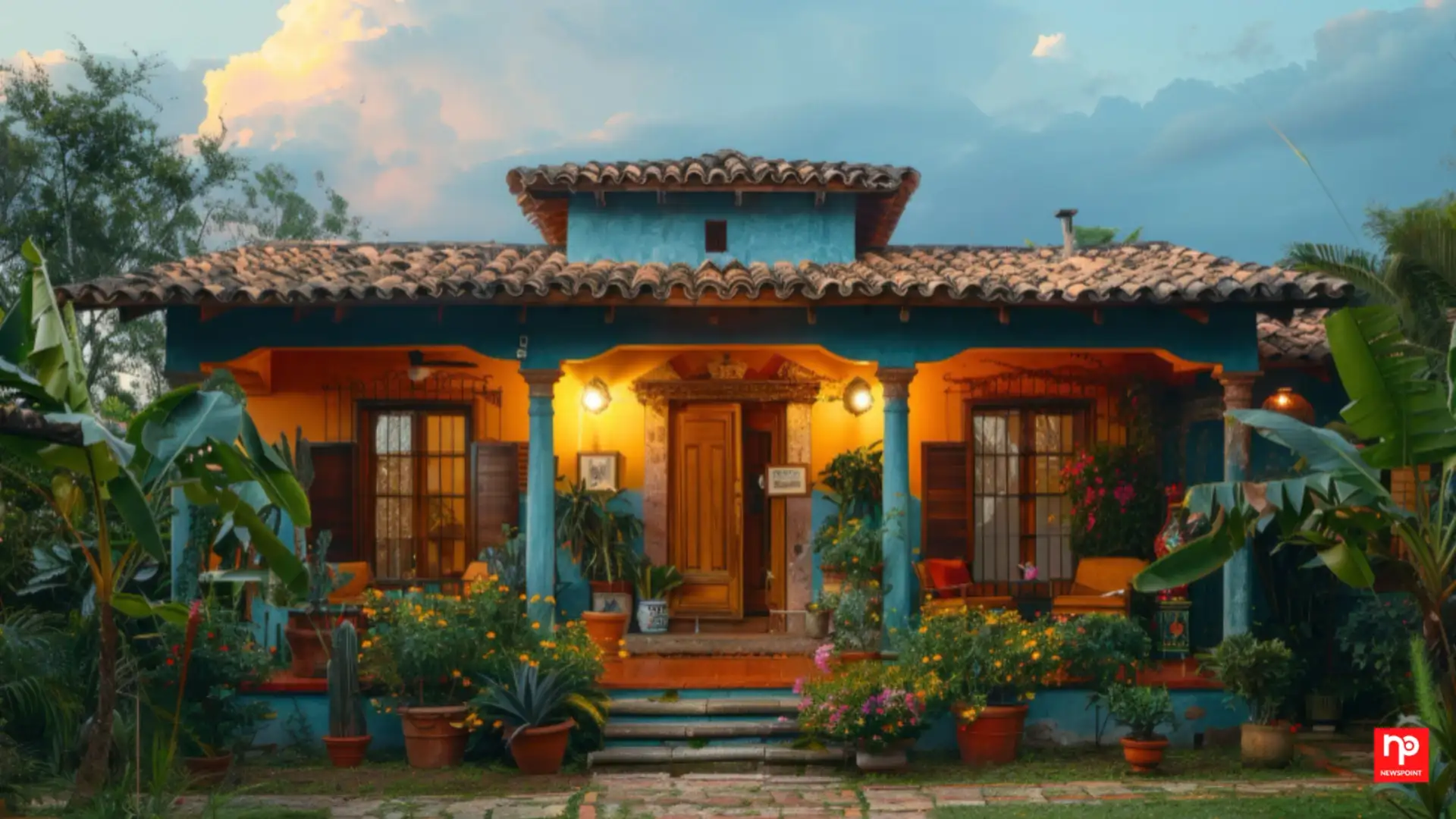
The secret was not technology. It was design.
Builders understood airflow remarkably well. Homes were positioned to catch breezes, while verandas and covered passages blocked direct sunlight during the hottest parts of the day.
Many traditional houses also used locally sourced materials such as stone, mud, or lime plaster, which absorbed heat slowly and kept interiors cooler.
Glass-heavy buildings became symbols of modern design despite performing poorly in hot climates. Compact apartments with limited ventilation also became common in crowded cities.
As a result, dependence on air conditioning grew rapidly.
This creates a difficult cycle. Rising temperatures increase air conditioner use, which in turn raises energy production and contributes further to climate-related emissions in regions dependent on fossil fuels.
Some environmentally conscious homes now combine traditional architecture with modern energy-efficient technology.
Environment Day is often associated with futuristic innovations, yet some answers to modern environmental challenges may already exist in historical design practices.
Older homes remind us that sustainability is not always about inventing something completely new. Sometimes it means rediscovering practical wisdom that people quietly abandoned during the rush towards modern convenience.
The secret was not technology. It was design.
Traditional Homes Were Built Around Climate
Older buildings were usually designed according to local weather conditions. In hotter regions, thick walls, shaded courtyards, high ceilings, and narrow windows helped reduce indoor heat naturally.Builders understood airflow remarkably well. Homes were positioned to catch breezes, while verandas and covered passages blocked direct sunlight during the hottest parts of the day.
Many traditional houses also used locally sourced materials such as stone, mud, or lime plaster, which absorbed heat slowly and kept interiors cooler.
Modern Buildings Changed Priorities
During rapid urban expansion in the late 20th century, construction increasingly focused on speed, cost efficiency, and maximising indoor space.Glass-heavy buildings became symbols of modern design despite performing poorly in hot climates. Compact apartments with limited ventilation also became common in crowded cities.
As a result, dependence on air conditioning grew rapidly.
The Environmental Cost of Artificial Cooling
Air conditioners improve comfort but also increase electricity demand significantly. In many countries, cooling systems are among the largest contributors to household energy consumption during summer.This creates a difficult cycle. Rising temperatures increase air conditioner use, which in turn raises energy production and contributes further to climate-related emissions in regions dependent on fossil fuels.
Why Architects Are Revisiting Traditional Ideas
Interestingly, many modern architects are now studying older building techniques again. Passive cooling methods such as shaded walls, rooftop gardens, natural ventilation systems, and reflective materials are returning to contemporary design.Some environmentally conscious homes now combine traditional architecture with modern energy-efficient technology.
The Bigger Lesson Hidden in Old Buildings
Traditional homes were not perfect, but many were designed with environmental awareness long before the term existed. Builders worked with nature instead of trying to overpower it entirely.Environment Day is often associated with futuristic innovations, yet some answers to modern environmental challenges may already exist in historical design practices.
Older homes remind us that sustainability is not always about inventing something completely new. Sometimes it means rediscovering practical wisdom that people quietly abandoned during the rush towards modern convenience.
Next Story