
How Some Birds Sleep While Keeping One Eye Open

For most people, sleep means switching off completely. Our brains rest, our awareness fades, and we become vulnerable to the world around us. However, some birds have evolved a remarkable ability that seems almost impossible. They can sleep with one half of their brain while the other half remains awake and alert. This extraordinary adaptation allows them to keep watch for predators, continue flying during long migrations and survive in environments where a full night's sleep would be too risky. Known as unihemispheric slow-wave sleep , this fascinating behaviour has captivated scientists for decades and continues to reveal just how ingenious evolution can be.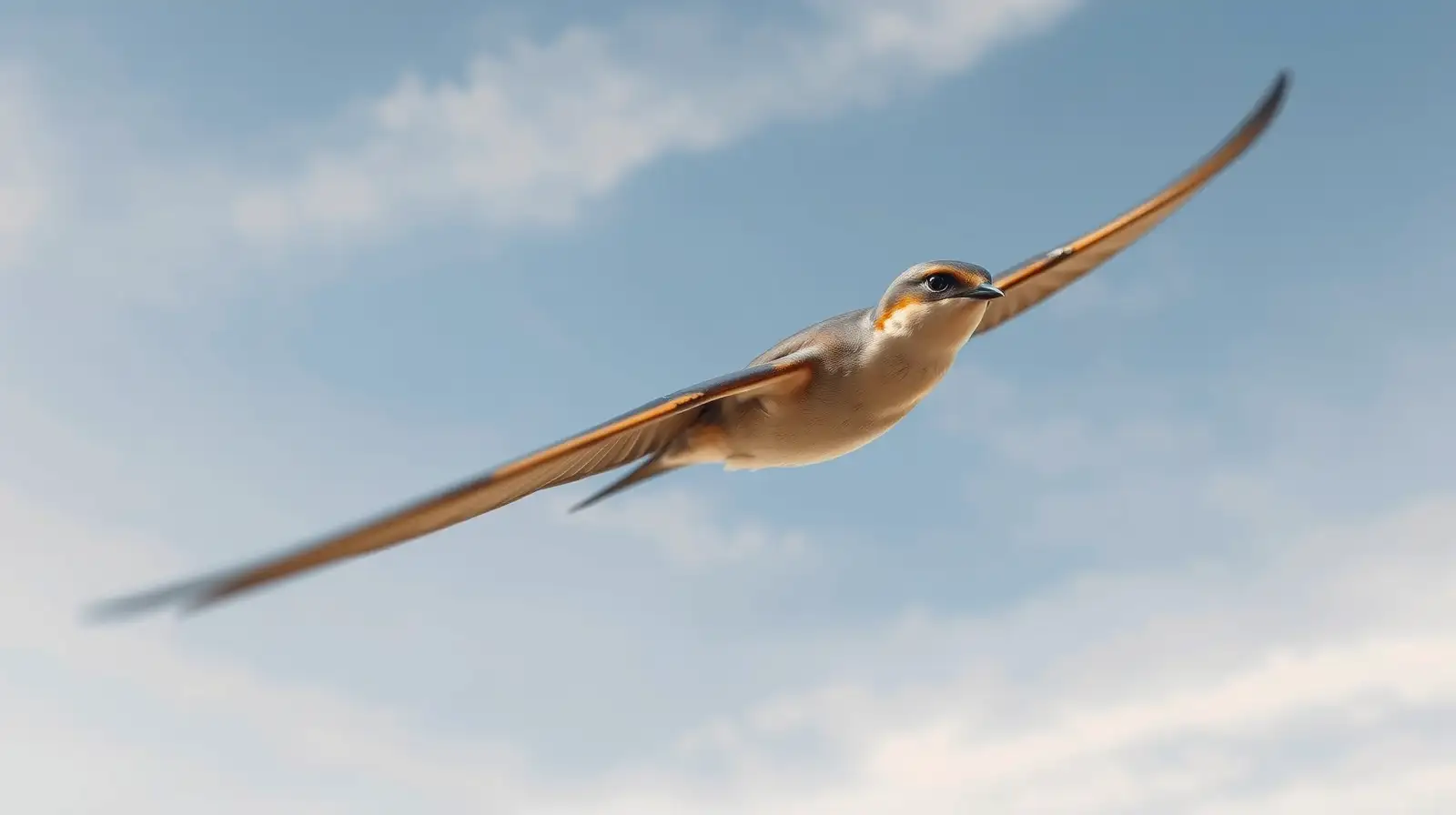
After a period of rest, the sleeping and awake halves swap roles. Over time, both sides receive the rest they need without leaving the bird completely defenceless.
This adaptation is rare among animals and is mostly found in birds and certain marine mammals such as dolphins.
Swifts are another astonishing example. Research suggests that common swifts, which spend months continuously in the air during migration, may take short periods of one-sided sleep while flying. This allows them to travel enormous distances without needing to land every night.
Other species believed to use unihemispheric sleep include gulls, pigeons and several seabirds that spend long periods over open oceans.
By keeping half of the brain awake, birds maintain constant awareness of movement and potential danger. Studies have shown that birds positioned on the outer edge of a flock spend more time sleeping with one eye open than those safely surrounded by companions.
This clever strategy allows groups to balance rest with security, increasing the survival chances of the entire flock.
Recent research has also focused on migratory birds that fly across continents without lengthy rest stops. Understanding how they manage sleep during these demanding journeys could provide valuable insights into brain function, memory and fatigue.
Some scientists even believe these discoveries may one day influence research into human sleep disorders and long-duration space travel.
As habitats become increasingly disturbed by urban development, artificial lighting and climate change, understanding the sleeping habits of birds has become more important for conservation efforts. Protecting safe resting areas can play a vital role in supporting healthy bird populations.
These discoveries also remind us that sleep is far more diverse than we once imagined.
Birds That Can Sleep With Half Their Brain Awake
A Sleep Pattern Unlike Any Other
The ability to sleep with only one hemisphere of the brain is called unihemispheric slow-wave sleep. During this process, one side of the brain enters a deep sleep while the other remains active. Interestingly, the eye connected to the awake side stays open, allowing the bird to monitor its surroundings.After a period of rest, the sleeping and awake halves swap roles. Over time, both sides receive the rest they need without leaving the bird completely defenceless.
This adaptation is rare among animals and is mostly found in birds and certain marine mammals such as dolphins.
Which Birds Use This Incredible Ability?
Many bird species have been observed using this unusual sleep pattern. Ducks are among the best-studied examples. Birds resting at the edge of a flock often keep the eye facing away from the group open, watching for approaching predators while the other half of the brain sleeps.Swifts are another astonishing example. Research suggests that common swifts, which spend months continuously in the air during migration, may take short periods of one-sided sleep while flying. This allows them to travel enormous distances without needing to land every night.
Other species believed to use unihemispheric sleep include gulls, pigeons and several seabirds that spend long periods over open oceans.
A Lifesaving Defence Against Predators
For birds living in the wild, staying alert can mean the difference between life and death. Sleeping deeply in an exposed location leaves them vulnerable to predators such as foxes, snakes and birds of prey.By keeping half of the brain awake, birds maintain constant awareness of movement and potential danger. Studies have shown that birds positioned on the outer edge of a flock spend more time sleeping with one eye open than those safely surrounded by companions.
You may also like
- Make rose water at home for glowing skin, the process is very easy
- EPFO credits PF interest to 34 crore accounts; have you received yours? Here's how to check...
- Gold has become cheaper by ₹2,200 and silver by over ₹4,900; find out from experts if prices will fall further..
- Special Trains: Special trains announced for Shravani Mela; find out the routes..
- “On the exam day, luck was also on my side”: NEET AIR 1 Aryan Gupta reveals the habits, family support and the luck factor behind his success
This clever strategy allows groups to balance rest with security, increasing the survival chances of the entire flock.
Scientists Are Still Discovering Its Secrets
Although researchers have studied unihemispheric sleep for decades, many questions remain unanswered. Scientists are particularly interested in understanding how birds avoid exhaustion despite never fully switching off.Recent research has also focused on migratory birds that fly across continents without lengthy rest stops. Understanding how they manage sleep during these demanding journeys could provide valuable insights into brain function, memory and fatigue.
Some scientists even believe these discoveries may one day influence research into human sleep disorders and long-duration space travel.
Why This Matters Today
Learning how birds sleep with half their brain awake helps researchers better understand the importance of sleep across the animal kingdom. It also highlights the remarkable ways wildlife adapts to survive changing environments.As habitats become increasingly disturbed by urban development, artificial lighting and climate change, understanding the sleeping habits of birds has become more important for conservation efforts. Protecting safe resting areas can play a vital role in supporting healthy bird populations.
These discoveries also remind us that sleep is far more diverse than we once imagined.






Loving Newspoint? Download the app now
