
Why More People Are Renting Everything From Furniture to Camping Gear Instead of Buying

For generations, acquiring physical possessions was considered the ultimate sign of adult success. We were encouraged to buy our own furniture, purchase expensive electronics, collect artwork, and fill our garages with seasonal items like camping gear and power tools. Owning physical possessions provided a sense of security, stability, and societal prestige.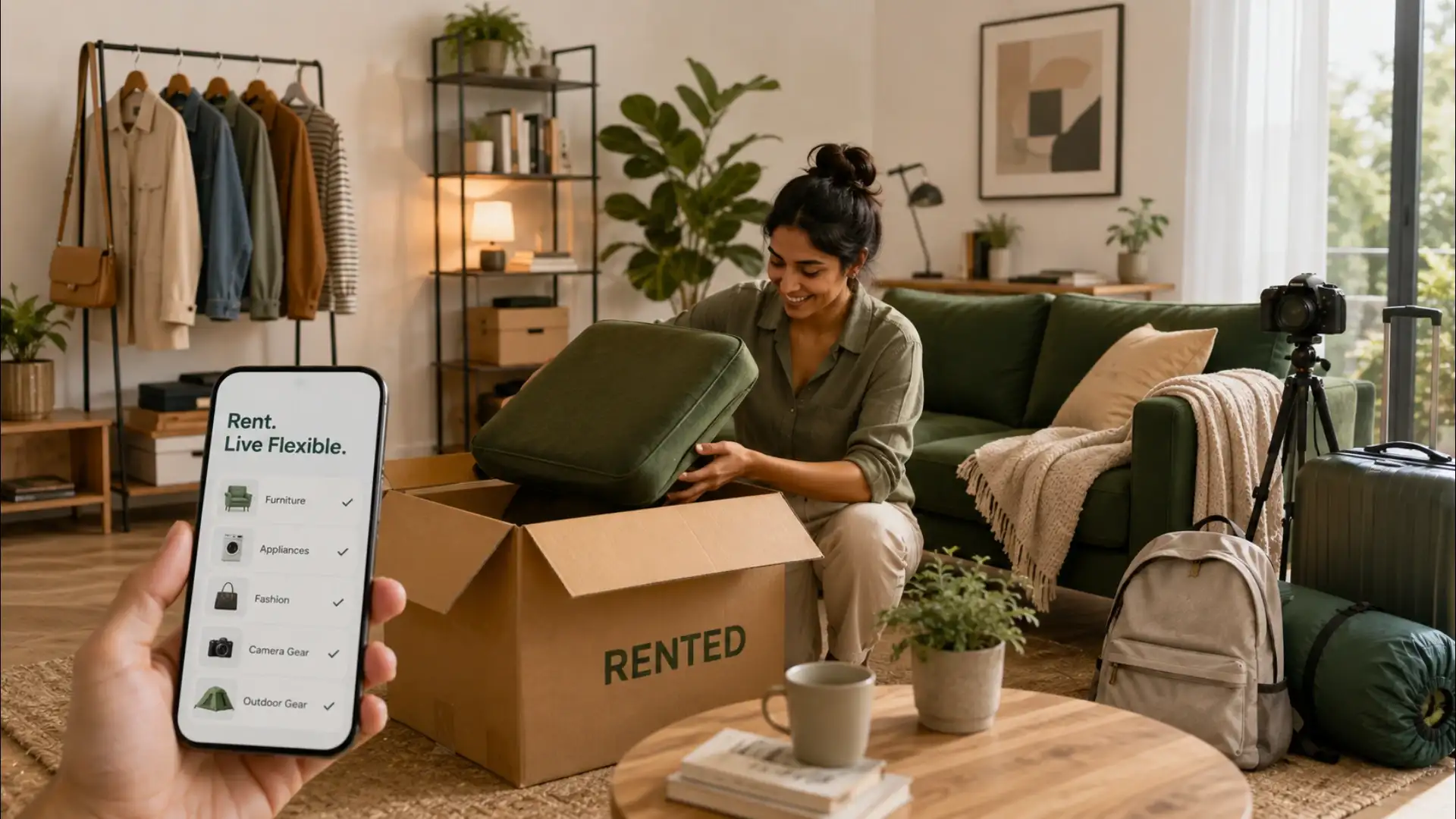
However, a dramatic shift is taking place in how modern consumers view physical belongings. Today, more people are choosing to rent the things they need instead of buying them outright. From designer clothing and living room sofas to high-end cameras and outdoor camping equipment, the subscription economy has expanded into almost every corner of personal consumption. This growing trend represents a fundamental change in both economics and consumer psychology.
Renting allows individuals to access premium, high-quality products for a manageable monthly fee without the steep initial price tag. When you rent items, you also avoid the hidden costs of long-term ownership, such as maintenance, repairs, depreciation, and expensive moving fees. If a sofa breaks or a camping tent suffers wear and tear, the rental provider usually handles the repair or offers an immediate replacement.
Renting provides a powerful sense of psychological lightness and mobility. Knowing that you can easily return a dining table, exchange artwork for a fresh design, or give back camping equipment after a weekend trip creates a feeling of freedom. It allows individuals to curate a beautiful lifestyle that adapts quickly to their changing tastes without feeling tied down by permanent possessions.
In contrast, the rental model promotes a circular economy. A single piece of high-quality furniture or a set of durable camping equipment can be used and enjoyed by dozens of different households over its lifespan. This shared use reduces overall manufacturing demand, lowers carbon emissions, and minimizes household waste, making renting an attractive choice for eco-conscious consumers.
However, a dramatic shift is taking place in how modern consumers view physical belongings. Today, more people are choosing to rent the things they need instead of buying them outright. From designer clothing and living room sofas to high-end cameras and outdoor camping equipment, the subscription economy has expanded into almost every corner of personal consumption. This growing trend represents a fundamental change in both economics and consumer psychology.
The Financial Logic Behind the Access Economy
The financial motivation driving this trend comes down to flexibility and practical cash-flow management. Buying high-quality furniture or specialized outdoor gear requires a significant upfront financial commitment. For young professionals and modern workers who move frequently for career opportunities, purchasing heavy appliances or expensive home décor often feels like an unnecessary financial burden.You may also like
- Bespoke menswear is having a moment in India's luxury fashion market, say designers Bharat and Reshma Grover
- The rise of experience-led leisure goes beyond dining and shopping
- He recorded London's iconic "Mind the gap" announcement before his death; when it was replaced, his wife visited the station everyday until his voice was restored
- Psychology says people who swear by manifestation often start with this 5-minute morning habit and it changes how they notice opportunities
- "No one talks about the pain and guilt": Divyanka Tripathi opens up about breastfeeding struggles after welcoming twins; what every new mother should know about breastfeeding
Renting allows individuals to access premium, high-quality products for a manageable monthly fee without the steep initial price tag. When you rent items, you also avoid the hidden costs of long-term ownership, such as maintenance, repairs, depreciation, and expensive moving fees. If a sofa breaks or a camping tent suffers wear and tear, the rental provider usually handles the repair or offers an immediate replacement.
The Psychology of Minimalist Living and Mental Freedom
Beyond the financial calculations, the decision to rent rather than own is deeply rooted in human psychology. Physical clutter in a home often translates into mental clutter. The more items you own, the more time, energy, and money you must spend maintaining, cleaning, storing, and protecting them.Renting provides a powerful sense of psychological lightness and mobility. Knowing that you can easily return a dining table, exchange artwork for a fresh design, or give back camping equipment after a weekend trip creates a feeling of freedom. It allows individuals to curate a beautiful lifestyle that adapts quickly to their changing tastes without feeling tied down by permanent possessions.
Environmental Benefits of the Rental Model
The growing popularity of renting also aligns with increasing environmental awareness. Traditional consumerism relies on a linear model in which products are manufactured, bought, used briefly, and eventually discarded in landfills.In contrast, the rental model promotes a circular economy. A single piece of high-quality furniture or a set of durable camping equipment can be used and enjoyed by dozens of different households over its lifespan. This shared use reduces overall manufacturing demand, lowers carbon emissions, and minimizes household waste, making renting an attractive choice for eco-conscious consumers.
Redefining What It Means to Live Well
Choosing to rent instead of buy is no longer viewed as a compromise. It has become a deliberate, modern strategy for living well while remaining unencumbered by physical possessions. By prioritizing experiences, flexibility, and sustainability over permanent ownership, modern consumers are proving that you do not need to own everything to enjoy a fulfilling lifestyle.





Loving Newspoint? Download the app now
