
Republic Day 2026 Tricolour Rangoli Ideas For Homes Schools And Offices

Republic Day in India often unfolds with a quiet dignity rather than loud celebration. Early mornings feel slower, television broadcasts linger on ceremonial visuals, and shared spaces take on a thoughtful stillness. Amid these understated rituals, tricolour rangoli has emerged as a meaningful form of expression. Neither grand nor fleeting, it reflects a balance between tradition and respect. As Republic Day 2026 approaches, this simple art form continues to carry national symbolism into everyday spaces with grace and restraint.
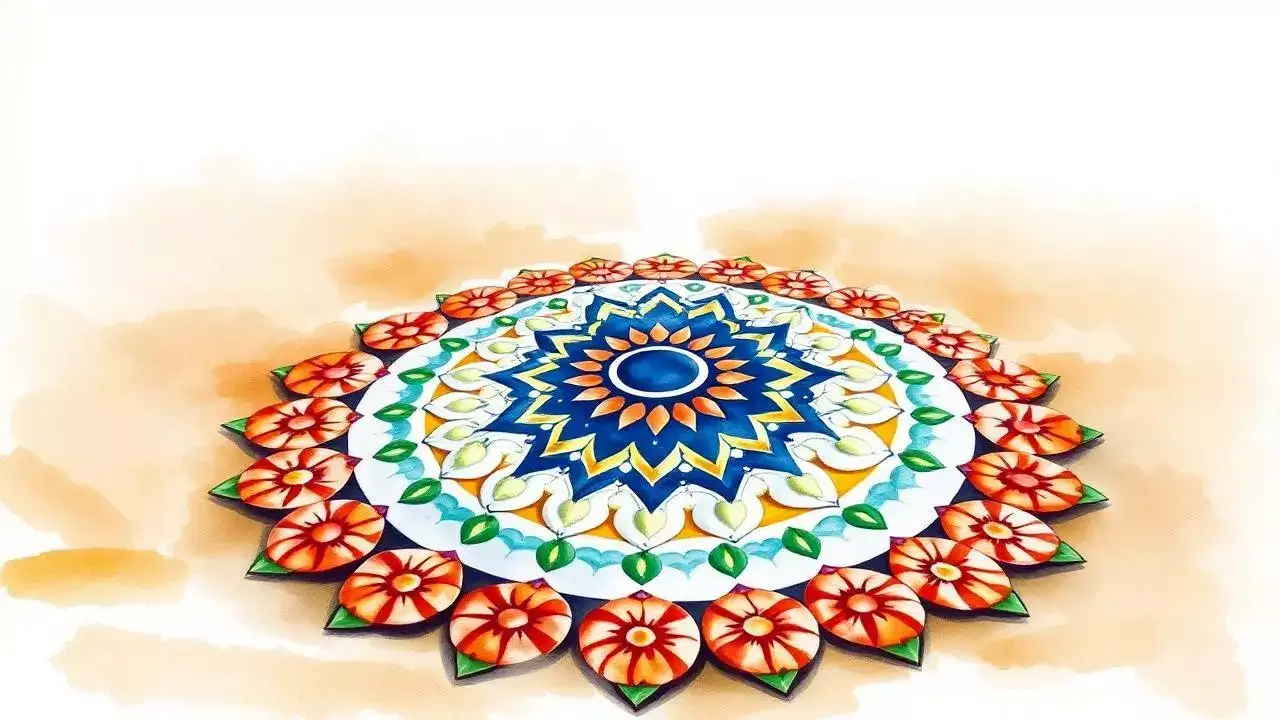
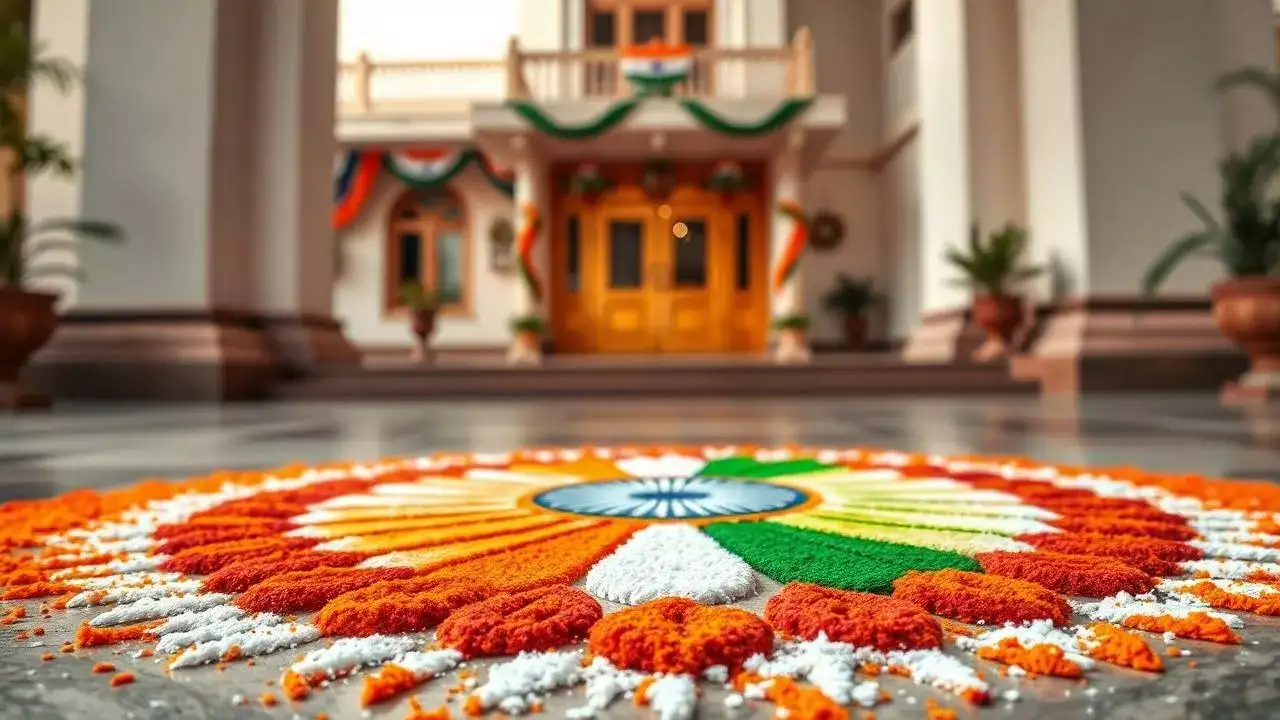
As commonly explained in civic education and official references, the saffron band reflects courage and sacrifice, white represents peace and truth, and green symbolises growth and prosperity. At the centre, the Ashoka Chakra stands as a reminder of law, balance and continuous progress. Together, these elements form a narrative that resonates across generations, regardless of region or background.
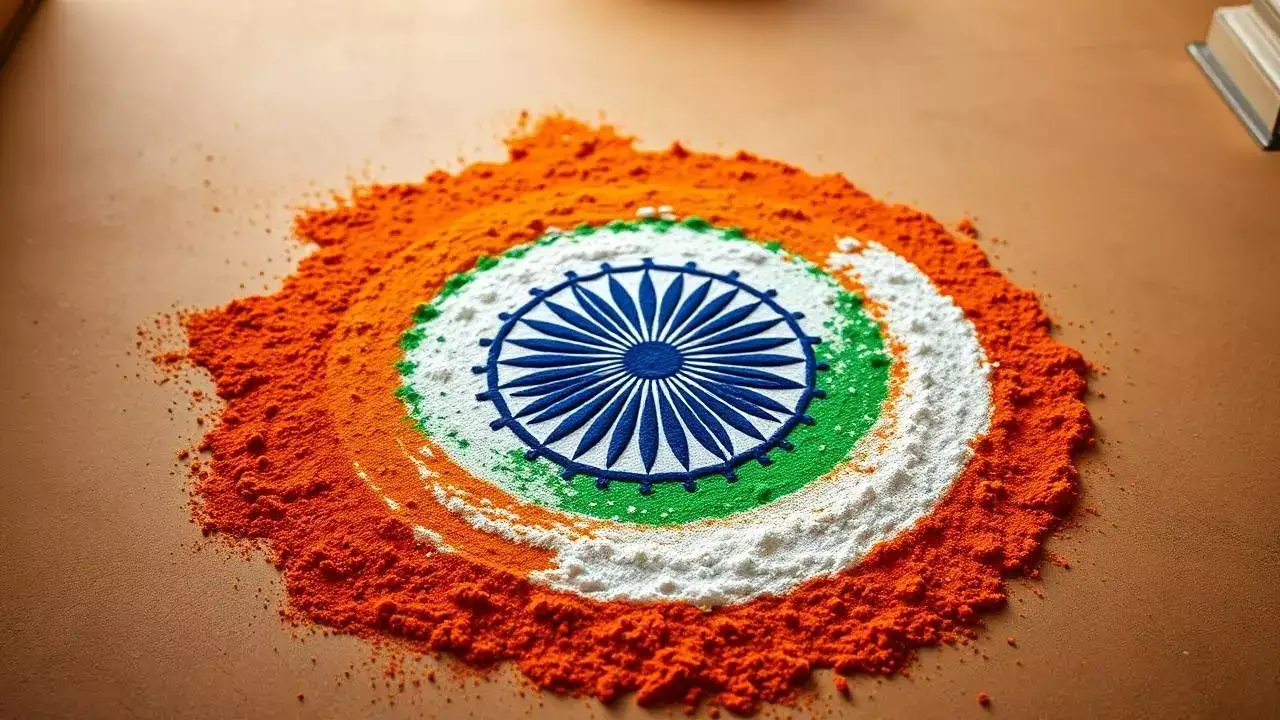
In recent years, tricolour rangoli has gained popularity as a respectful alternative to physical displays in shared environments. Offices, apartment complexes and institutional spaces often seek inclusive forms of participation that avoid excess or misrepresentation. Rangoli answers this need by allowing symbolic engagement without permanence, hierarchy or disruption.
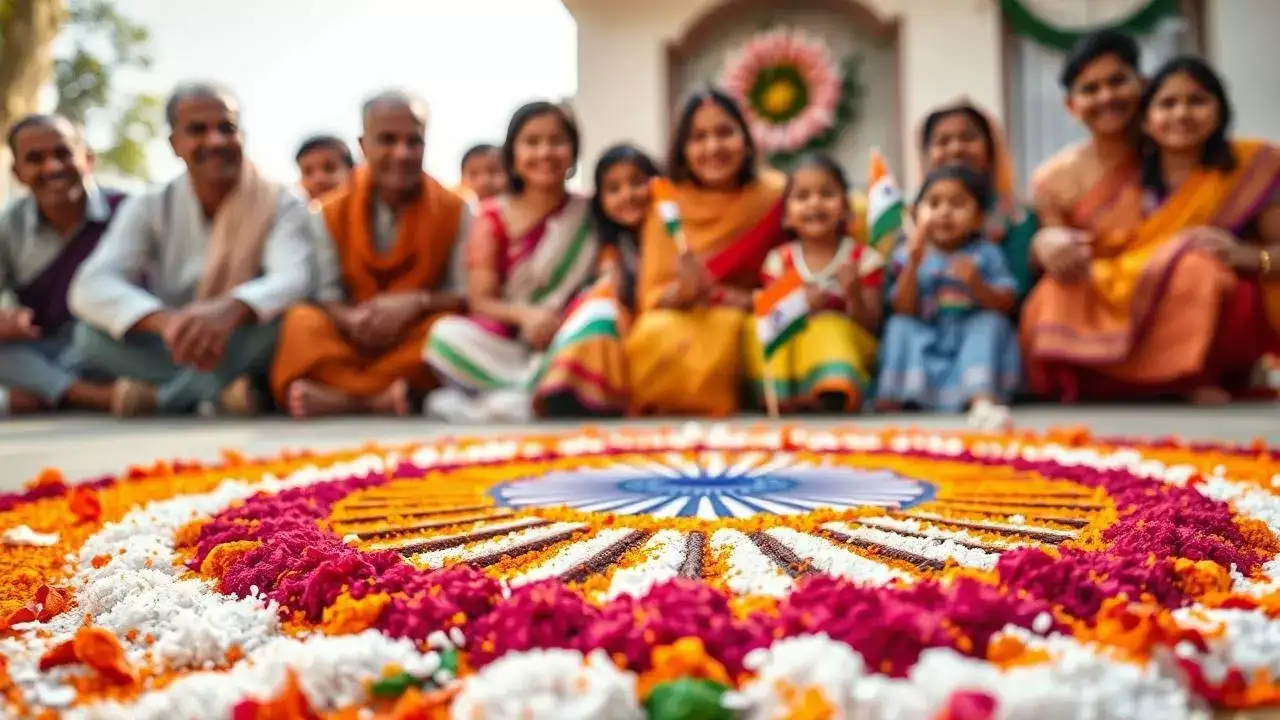
Circular arrangements inspired by the Ashoka Chakra are frequently chosen for professional spaces, as they reflect structure and order. In homes, softer motifs such as lotuses, florals or symmetrical borders often feel more personal. Regardless of style, proportion remains essential. Each colour must hold equal visual weight, reinforcing the idea of unity rather than dominance.
For children, creating rangoli often becomes their first hands-on interaction with national symbols. The act of placing colours carefully, learning their meanings and understanding why balance matters can quietly introduce civic values. In workplaces, collaborative rangoli creation can serve as a rare pause, encouraging collective participation without formal ceremony.
These moments are intentionally temporary. Once the day passes, the rangoli is cleaned away, reinforcing the idea that respect lies in intention rather than permanence. In a time when public expression can easily become performative, tricolour rangoli offers a quieter alternative that aligns with the spirit of the Republic.
As India prepares to mark Republic Day 2026, tricolour rangoli continues to stand as a reminder that patriotism does not always need volume. Sometimes, it is found in stillness, symmetry and the simple act of participating with respect.
Republic Day And The Language Of National Symbols
Republic Day marks the moment India formally embraced its Constitution on 26 January 1950, shaping the democratic framework that governs the country today. Over time, the observance has developed its own visual language, rooted in symbols that communicate shared values without words. The national tricolour plays a central role in this expression.As commonly explained in civic education and official references, the saffron band reflects courage and sacrifice, white represents peace and truth, and green symbolises growth and prosperity. At the centre, the Ashoka Chakra stands as a reminder of law, balance and continuous progress. Together, these elements form a narrative that resonates across generations, regardless of region or background.
Rangoli As A Cultural Expression Of Respect
Rangoli has long been associated with festivals, transitions and moments of importance in Indian households. Traditionally created using coloured powders, rice flour or natural materials, it is designed to exist briefly, emphasising presence rather than permanence. This quality makes rangoli especially suited to national occasions such as Republic Day.In recent years, tricolour rangoli has gained popularity as a respectful alternative to physical displays in shared environments. Offices, apartment complexes and institutional spaces often seek inclusive forms of participation that avoid excess or misrepresentation. Rangoli answers this need by allowing symbolic engagement without permanence, hierarchy or disruption.
The Appeal Of Simplicity And Balance
What distinguishes tricolour rangoli from other decorative expressions is its reliance on restraint. The most effective designs are rarely elaborate. Clean geometry, measured spacing and thoughtful colour placement tend to leave a stronger impression than intricate detail.Circular arrangements inspired by the Ashoka Chakra are frequently chosen for professional spaces, as they reflect structure and order. In homes, softer motifs such as lotuses, florals or symmetrical borders often feel more personal. Regardless of style, proportion remains essential. Each colour must hold equal visual weight, reinforcing the idea of unity rather than dominance.
Accessibility And Shared Participation
One of the reasons tricolour rangoli continues to resonate is its accessibility. It requires no specialised tools or artistic training. A clear surface, a few colours and a short amount of time are enough. This simplicity turns the process into a shared experience rather than a performance.For children, creating rangoli often becomes their first hands-on interaction with national symbols. The act of placing colours carefully, learning their meanings and understanding why balance matters can quietly introduce civic values. In workplaces, collaborative rangoli creation can serve as a rare pause, encouraging collective participation without formal ceremony.
Rangoli In Contemporary Republic Day Observations
Republic Day celebrations are often associated with large-scale parades and official programmes, yet much of the day’s meaning exists in smaller gestures. A rangoli at an entrance, a briefly decorated office corner or a shared community space can carry symbolic weight without spectacle.These moments are intentionally temporary. Once the day passes, the rangoli is cleaned away, reinforcing the idea that respect lies in intention rather than permanence. In a time when public expression can easily become performative, tricolour rangoli offers a quieter alternative that aligns with the spirit of the Republic.
A Subtle Reflection Of Democratic Values
At its core, Republic Day is about balance — between rights and responsibilities, freedom and law, individuality and unity. Tricolour rangoli mirrors these principles through its form. No single colour dominates. No element exists without relation to the others. The design holds together only when each part is placed with care.As India prepares to mark Republic Day 2026, tricolour rangoli continues to stand as a reminder that patriotism does not always need volume. Sometimes, it is found in stillness, symmetry and the simple act of participating with respect.
Next Story