
Restoring Freshness: Natural Household Hacks to Whiten Yellowed Pillows

Even with regular laundering of pillowcases and bed sheets, pillows gradually develop unsightly yellow patches and lingering odors. Sweat, body oils, drool, hair products, and ambient humidity seep through protective covers into the inner filling over time. Rather than relying on harsh chemical bleaches that can weaken fabric fibers or leave unpleasant fumes, natural pantry staples provide powerful eco-friendly alternatives to restore freshness and brightness to your bedding.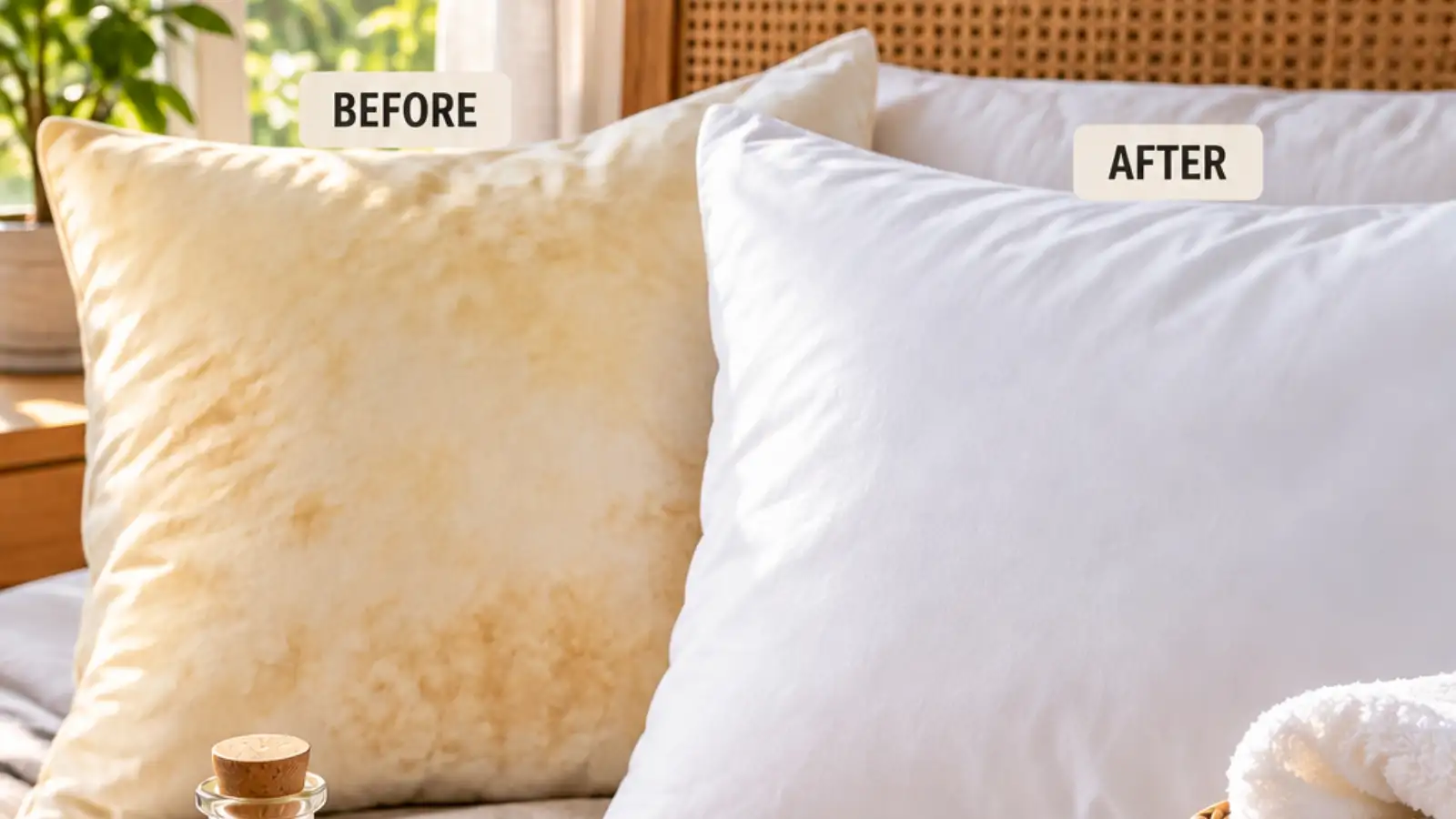
Applying these chemical-free cleaning techniques helps maintain a hygienic sleep environment while keeping your pillows fresh, bright, and comfortable.
The Baking Soda and White Vinegar Power Pair
Baking soda acts as a gentle abrasive and odor neutralizer, while white vinegar breaks down organic oil buildup and mineral deposits. Adding half a cup of baking soda along with your regular eco-friendly detergent to the wash cycle, followed by half a cup of white vinegar during the rinse cycle, lifts set-in yellow discolouration without damaging cotton or synthetic fibers.Brightening Stains with Fresh Lemon Juice and Hot Water
Lemon juice contains natural citric acid, making it an excellent natural bleaching agent for white fabrics. Soaking discolored pillows in a basin or bathtub filled with hot water and the juice of two to three fresh lemons for an hour before washing dissolves sweat residues and leaves a subtle, natural citrus fragrance.You may also like
- New to motorcycle touring? 4 Highway fundamentals every beginner should know
- Simple tips for that perfect festive home reset
- Now, the real price of medicines will be known in minutes; daylight robbery in the name of medicine will no longer be possible..
- Changing or correcting your name on your Aadhaar card has become easy; UIDAI has issued new guidelines—learn the complete process..
- Buyers and sellers of used vehicles should understand the rules regarding RC transfer; who will be held responsible if it isn't done?
Utilising Hydrogen Peroxide for Tough Spot Treatment
For localised, stubborn spots, 3% hydrogen peroxide serves as a chlorine-free disinfectant and stain remover. Mixing equal parts hydrogen peroxide and water with a few drops of mild liquid dish soap creates a targeted pre-treatment spray. Applying this solution directly to yellow spots for 15 minutes before laundering helps break down protein-based stains.Harnessing Solar Disinfection and Natural Bleaching
Sunlight is one of the most effective, zero-cost tools for whitening bedding and eliminating moisture. UV rays naturally bleach yellowed cotton while killing dust mites and lingering bacteria. Laying pillows flat on a clean drying rack in direct sunlight for a few hours ensures thorough drying and eliminates trapped humidity inside the pillow core.Preventive Maintenance for Long-Lasting Freshness
To minimize future discolouration, experts recommend investing in breathable, waterproof zippered pillow protectors beneath standard pillowcases. Washing pillow protectors monthly and laundering inner pillows every three to four months prevents deep-seated accumulation of body oils and extends the lifespan of your bedding.Applying these chemical-free cleaning techniques helps maintain a hygienic sleep environment while keeping your pillows fresh, bright, and comfortable.






Loving Newspoint? Download the app now
