
Retinol vs Peptides: Which Anti-Ageing Ingredient Deserves a Spot in Your Skincare Routine?

Walk into any skincare conversation today, and two ingredients are almost guaranteed to come up, retinol and peptides. Both are praised for their anti-ageing benefits, yet they work in very different ways. If you're wondering which one deserves a place in your skincare routine, here's a simple breakdown.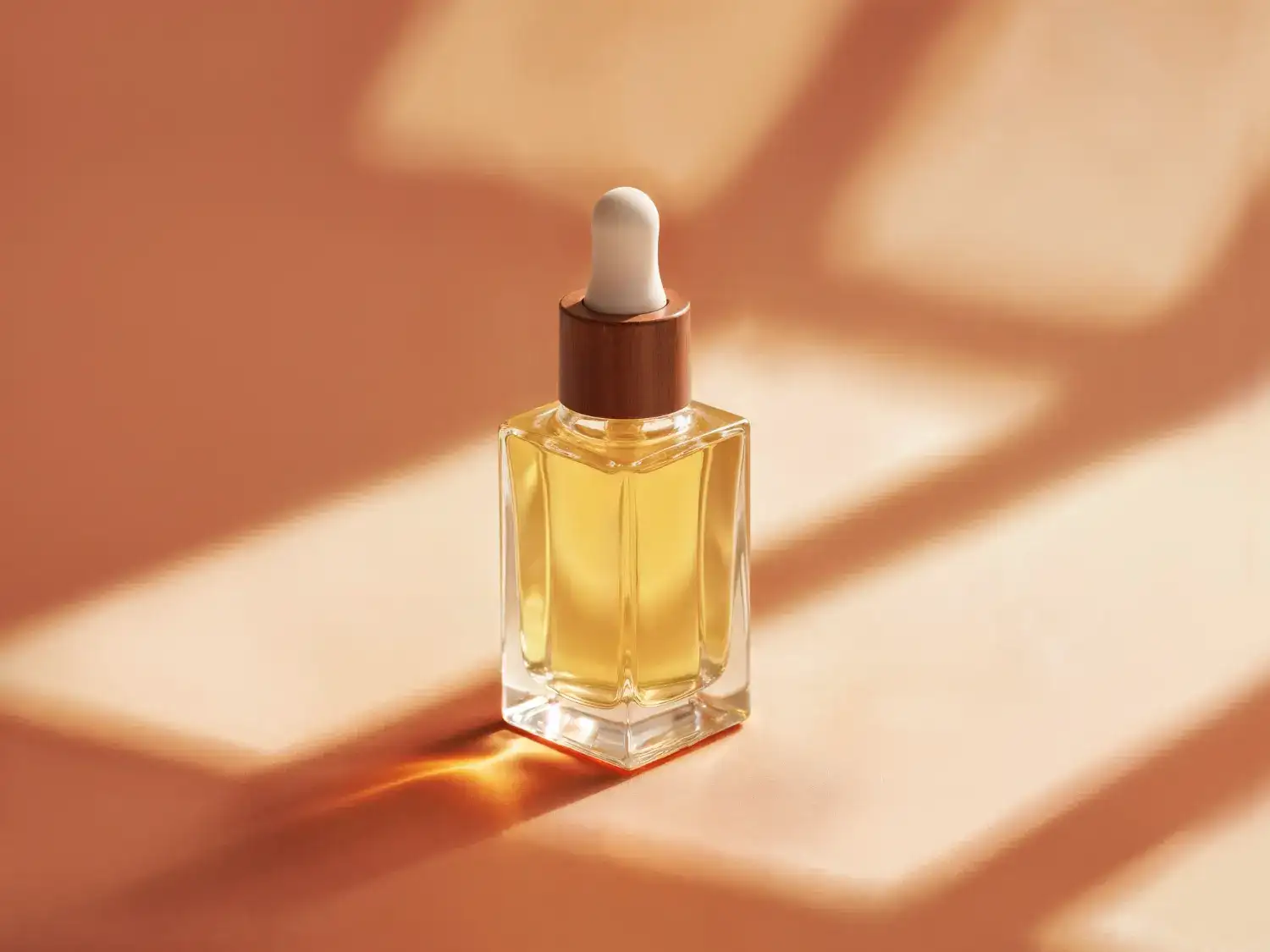
Why Retinol Remains a Skincare Superstar
Retinol has long been considered one of the most effective ingredients for tackling visible signs of ageing. Dermatologists have relied on it for years to address concerns such as fine lines, uneven skin tone, pigmentation, and acne.
It works by accelerating skin cell turnover, helping the skin shed old, damaged cells and replace them with fresh ones. As a result, skin often appears smoother, brighter, and more refined over time.
Another reason for retinol's popularity is the extensive scientific research supporting its effectiveness, making it a trusted choice for long-term skin improvement.
The Downside of Retinol
Despite its impressive results, retinol isn't always easy on the skin. New users often experience dryness, peeling, redness, or irritation during the adjustment phase.
For people living in hot, humid, or highly polluted environments, skin may already be under stress, making retinol-induced irritation more noticeable. That's why experts recommend introducing it gradually and always pairing it with a good sunscreen.
Without proper sun protection, retinol can increase sensitivity to UV rays and potentially worsen skin damage.
What Makes Peptides Different?
Peptides have quietly become one of skincare's most sought-after ingredients. Unlike retinol, they don't force rapid skin renewal.
Instead, peptides act as messengers that signal the skin to produce more collagen and support its natural repair processes. Since collagen is responsible for keeping skin firm, plump, and youthful-looking, maintaining healthy collagen levels becomes increasingly important with age.
Their gentle nature makes peptides suitable for most skin types, including sensitive skin.
Why Peptides Are Gaining Popularity
The skincare world has shifted from chasing dramatic transformations to focusing on skin barrier health and long-term wellness.
Peptides fit perfectly into this trend because they help strengthen the skin without causing irritation. Most users can incorporate them into their routine without worrying about peeling or redness.
They also work well alongside many other skincare ingredients , making them an easy addition to existing routines.
Which Ingredient Is Better for Anti-Ageing?
If visible anti-ageing results are your top priority, retinol generally has the advantage.
Years of research show that it can reduce fine lines, improve skin texture, boost collagen production, and fade pigmentation. People dealing with sun damage, uneven skin tone, or early signs of ageing often see noticeable improvements with consistent use.
For faster and more dramatic results, retinol remains one of the strongest options available.
When Peptides May Be the Smarter Choice
Not everyone wants a powerful active ingredient that comes with a learning curve.
People with sensitive skin, those who prefer gentle skincare, or individuals who cannot use retinol may find peptides a better fit. While they may not deliver dramatic changes overnight, they help support healthier, stronger skin over time.
Because they're easy to tolerate, many users find it easier to stay consistent with peptide-based products.
Can Retinol and Peptides Be Used Together?
Yes, and many skincare experts encourage it.
The two ingredients complement each other rather than compete. Retinol promotes skin renewal, while peptides support repair and help maintain a healthy skin barrier.
Many people use peptides during the day and retinol at night, creating a balanced routine that targets ageing while minimizing irritation.
Age Plays a Role Too
In your early twenties, a simple routine built around cleansing, moisturizing, and sun protection is often enough.
As collagen production naturally begins to slow in the late twenties and thirties, ingredients like retinol and peptides become more beneficial. By the forties and beyond, combining multiple collagen-supporting ingredients may help address evolving skin concerns.
The Most Important Anti-Ageing Product
Before investing in expensive serums, don't overlook sunscreen.
Daily UV exposure is one of the biggest causes of wrinkles, pigmentation, and loss of firmness. No anti-ageing ingredient can outperform consistent sun protection when it comes to preserving skin health.
Using sunscreen every day remains one of the simplest and most effective ways to maintain youthful-looking skin.
Making the Right Choice
Retinol continues to be the gold standard for proven anti-ageing results, especially when it comes to reducing wrinkles, improving texture, and addressing pigmentation.
Peptides, however, offer a gentler approach by supporting collagen production and strengthening the skin over time.
The best choice depends on your skin type, goals, and comfort level. For many people, combining both ingredients delivers the best results. Whatever you choose, consistency, and daily sunscreen use—will make the biggest difference in the long run.
Disclaimer: This article is for informational purposes only and is not a substitute for professional medical or dermatological advice. Skincare results may vary from person to person. Consult a qualified dermatologist before introducing new active ingredients, especially if you have sensitive skin, existing skin conditions, or are pregnant or breastfeeding.
Why Retinol Remains a Skincare Superstar
Retinol has long been considered one of the most effective ingredients for tackling visible signs of ageing. Dermatologists have relied on it for years to address concerns such as fine lines, uneven skin tone, pigmentation, and acne. It works by accelerating skin cell turnover, helping the skin shed old, damaged cells and replace them with fresh ones. As a result, skin often appears smoother, brighter, and more refined over time.
Another reason for retinol's popularity is the extensive scientific research supporting its effectiveness, making it a trusted choice for long-term skin improvement.
The Downside of Retinol
Despite its impressive results, retinol isn't always easy on the skin. New users often experience dryness, peeling, redness, or irritation during the adjustment phase.For people living in hot, humid, or highly polluted environments, skin may already be under stress, making retinol-induced irritation more noticeable. That's why experts recommend introducing it gradually and always pairing it with a good sunscreen.
Without proper sun protection, retinol can increase sensitivity to UV rays and potentially worsen skin damage.
What Makes Peptides Different?
Peptides have quietly become one of skincare's most sought-after ingredients. Unlike retinol, they don't force rapid skin renewal. Instead, peptides act as messengers that signal the skin to produce more collagen and support its natural repair processes. Since collagen is responsible for keeping skin firm, plump, and youthful-looking, maintaining healthy collagen levels becomes increasingly important with age.
Their gentle nature makes peptides suitable for most skin types, including sensitive skin.
Why Peptides Are Gaining Popularity
The skincare world has shifted from chasing dramatic transformations to focusing on skin barrier health and long-term wellness. Peptides fit perfectly into this trend because they help strengthen the skin without causing irritation. Most users can incorporate them into their routine without worrying about peeling or redness.
They also work well alongside many other skincare ingredients , making them an easy addition to existing routines.
Which Ingredient Is Better for Anti-Ageing?
If visible anti-ageing results are your top priority, retinol generally has the advantage.Years of research show that it can reduce fine lines, improve skin texture, boost collagen production, and fade pigmentation. People dealing with sun damage, uneven skin tone, or early signs of ageing often see noticeable improvements with consistent use.
For faster and more dramatic results, retinol remains one of the strongest options available.
When Peptides May Be the Smarter Choice
Not everyone wants a powerful active ingredient that comes with a learning curve. People with sensitive skin, those who prefer gentle skincare, or individuals who cannot use retinol may find peptides a better fit. While they may not deliver dramatic changes overnight, they help support healthier, stronger skin over time.
Because they're easy to tolerate, many users find it easier to stay consistent with peptide-based products.
Can Retinol and Peptides Be Used Together?
Yes, and many skincare experts encourage it. The two ingredients complement each other rather than compete. Retinol promotes skin renewal, while peptides support repair and help maintain a healthy skin barrier.
Many people use peptides during the day and retinol at night, creating a balanced routine that targets ageing while minimizing irritation.
Age Plays a Role Too
In your early twenties, a simple routine built around cleansing, moisturizing, and sun protection is often enough. As collagen production naturally begins to slow in the late twenties and thirties, ingredients like retinol and peptides become more beneficial. By the forties and beyond, combining multiple collagen-supporting ingredients may help address evolving skin concerns.
The Most Important Anti-Ageing Product
Before investing in expensive serums, don't overlook sunscreen. Daily UV exposure is one of the biggest causes of wrinkles, pigmentation, and loss of firmness. No anti-ageing ingredient can outperform consistent sun protection when it comes to preserving skin health.
Using sunscreen every day remains one of the simplest and most effective ways to maintain youthful-looking skin.
Making the Right Choice
Retinol continues to be the gold standard for proven anti-ageing results, especially when it comes to reducing wrinkles, improving texture, and addressing pigmentation. Peptides, however, offer a gentler approach by supporting collagen production and strengthening the skin over time.
The best choice depends on your skin type, goals, and comfort level. For many people, combining both ingredients delivers the best results. Whatever you choose, consistency, and daily sunscreen use—will make the biggest difference in the long run.
Disclaimer: This article is for informational purposes only and is not a substitute for professional medical or dermatological advice. Skincare results may vary from person to person. Consult a qualified dermatologist before introducing new active ingredients, especially if you have sensitive skin, existing skin conditions, or are pregnant or breastfeeding.
Next Story