
Reusing Cooking Oil: Is It Safe? Health Risks, Side Effects and Precautions

Reusing cooking oil is a common kitchen practice, especially after preparing fried foods such as pakoras, puris, samosas and French fries. While saving leftover oil may seem economical and help reduce food waste, reusing cooking oil repeatedly can affect its quality and may pose health risks. Repeated exposure to high temperatures changes the oil's chemical composition and can lead to the formation of harmful compounds. But does that mean leftover oil should never be used again? Understanding how heating affects cooking oil, how many times it can be reused and when it should be discarded can help you make safer choices in the kitchen.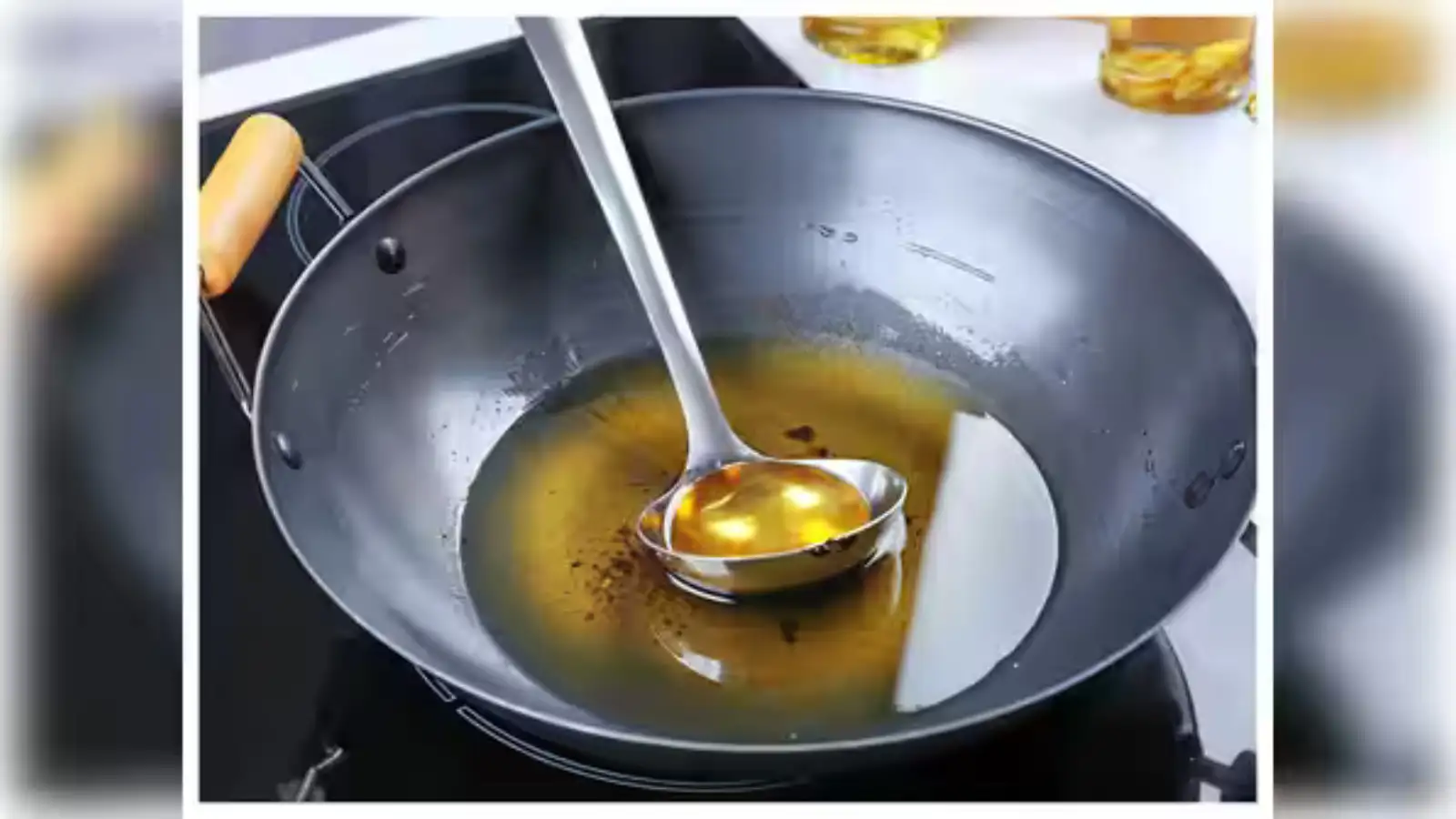
There are practical reasons behind this habit. Reusing oil can reduce household expenses, prevent unnecessary waste and make cooking more convenient. When oil is used carefully and has not deteriorated, limited reuse may be possible.
However, filtering used oil only removes visible food particles. It does not eliminate all the chemical compounds produced during heating. The longer oil is exposed to high temperatures, air and food residue, the greater the chances of degradation.
Therefore, the safety of reused cooking oil depends on factors such as the type of oil, frying temperature, duration of heating, food being cooked and number of previous uses.
Oxidative stress occurs when harmful reactive molecules accumulate faster than the body's antioxidant defences can manage them. Persistent oxidative stress has been associated with cellular damage and several chronic health conditions.
The extent of oxidation depends on the oil's composition, temperature and exposure to air. Repeated heating generally accelerates the process.
As degradation progresses, the oil may develop an unpleasant smell, darker colour, excessive foaming or a smoky appearance. These changes can also affect the taste and texture of fried foods.
However, oil can undergo chemical deterioration before obvious changes become visible. Appearance and smell are useful warning signs, but they cannot guarantee that the oil is safe.
Once the oil's protective compounds decline, it may become more vulnerable to further oxidation. This can gradually reduce its quality and make it less suitable for repeated frying.
The type and amount of these compounds vary according to the oil, temperature, duration of frying and storage practices. This is why there is no single number of uses that guarantees safety for every type of cooking oil.
Diets high in unhealthy fats are associated with an increased risk of cardiovascular disease. However, it is important not to assume that every instance of consuming reused oil directly causes heart disease.
Much of the evidence on specific organ damage comes from animal or laboratory studies. More human research is needed to establish the risks associated with particular levels of exposure.
These findings do not establish that reused cooking oil directly causes cancer, Alzheimer's disease or other neurological conditions in humans. The evidence varies by outcome, and more high-quality research is needed to understand the long-term effects.
The practical takeaway is to avoid repeatedly heating the same oil for prolonged periods, rather than assuming that a specific disease will result from a single use.
Indian food safety guidance has emphasised monitoring the deterioration of frying oil and avoiding the repeated use of oil that has developed excessive degradation. A simple rule such as using oil only two or three times should not be treated as a guarantee of safety.
Oil used for high-temperature deep-frying, particularly when it has been overheated or has accumulated food residue, may need to be discarded after a single session. If the oil shows signs of deterioration, do not reuse it regardless of how many times it has been heated.
For households, the safest approach is to minimise repeated heating and use fresh oil when its condition is uncertain.
These residues can burn during subsequent heating and speed up the oil's deterioration. Remember that straining removes solid debris, not dissolved degradation products.
A dark, cool storage area helps limit exposure to light and air, both of which can contribute to oxidation. Avoid mixing old oil with fresh oil simply to extend its use.
Groundnut oil and mustard oil are commonly used in Indian kitchens. Other options include refined oils specifically intended for high-temperature cooking. No oil, however, remains unchanged when it is repeatedly exposed to excessive heat.
Keep these points in mind when choosing and using cooking oil:
Reusing cooking oil may appear economical, but repeatedly heating it can cause oxidation, polymerisation and the formation of unwanted chemical compounds. These changes can reduce oil quality and may pose health concerns when degraded oil is consumed regularly.
Straining and storing leftover oil correctly can slow further deterioration, but they cannot restore oil that has already broken down. Instead of relying on a fixed number of uses, consider how the oil was heated, how it was stored and whether it shows signs of damage.
When in doubt, discard the oil and use fresh oil for your next meal. Reducing unnecessary waste is important, but protecting your health should remain the priority.
Why Do People Reuse Cooking Oil?
Deep-frying often leaves a considerable amount of oil in the pan or kadai. Instead of throwing it away, many households allow the oil to cool, strain it and save it for another cooking session.There are practical reasons behind this habit. Reusing oil can reduce household expenses, prevent unnecessary waste and make cooking more convenient. When oil is used carefully and has not deteriorated, limited reuse may be possible.
However, filtering used oil only removes visible food particles. It does not eliminate all the chemical compounds produced during heating. The longer oil is exposed to high temperatures, air and food residue, the greater the chances of degradation.
Therefore, the safety of reused cooking oil depends on factors such as the type of oil, frying temperature, duration of heating, food being cooked and number of previous uses.
What Happens When You Reuse Cooking Oil?
Repeatedly heating cooking oil can trigger several chemical changes that affect its quality, flavour and nutritional properties. These changes become more significant when the oil is heated for long periods or used for multiple frying sessions.1. Oxidation Produces Harmful Compounds
When cooking oil is exposed to oxygen and high temperatures, its fats undergo oxidation. This process can generate reactive compounds, including aldehydes and other substances that may contribute to oxidative stress in the body.Oxidative stress occurs when harmful reactive molecules accumulate faster than the body's antioxidant defences can manage them. Persistent oxidative stress has been associated with cellular damage and several chronic health conditions.
The extent of oxidation depends on the oil's composition, temperature and exposure to air. Repeated heating generally accelerates the process.
2. Oil Quality Deteriorates Over Time
Heating oil repeatedly can cause chemical reactions that alter its structure. One such process, known as polymerisation, creates larger compounds that may make the oil thicker, stickier and more difficult to handle.As degradation progresses, the oil may develop an unpleasant smell, darker colour, excessive foaming or a smoky appearance. These changes can also affect the taste and texture of fried foods.
However, oil can undergo chemical deterioration before obvious changes become visible. Appearance and smell are useful warning signs, but they cannot guarantee that the oil is safe.
3. Nutrients and Antioxidants May Decrease
Some cooking oils contain natural antioxidants, including vitamin E and other protective compounds. Repeated exposure to heat can reduce these substances, depending on the oil and cooking conditions.Once the oil's protective compounds decline, it may become more vulnerable to further oxidation. This can gradually reduce its quality and make it less suitable for repeated frying.
4. Harmful Compounds Can Accumulate
Repeated heating can increase the concentration of certain degradation products, including aldehydes and polar compounds. Some oils may also produce other potentially harmful substances under particular cooking conditions.The type and amount of these compounds vary according to the oil, temperature, duration of frying and storage practices. This is why there is no single number of uses that guarantees safety for every type of cooking oil.
Health Risks of Repeatedly Reusing Cooking Oil
Consuming degraded cooking oil regularly may expose the body to higher levels of oxidation products and other unwanted compounds. Research has investigated possible links between repeatedly heated oils and several health concerns.Increased Oxidative Stress and Inflammation
Oxidised fats and their breakdown products may contribute to oxidative stress and inflammatory processes. Laboratory and animal studies have explored these effects, although the extent to which specific findings translate to everyday human diets remains uncertain.Potential Impact on Heart Health
The repeated heating of oil can change its fatty acid composition and increase certain degradation products. Depending on the oil and conditions, these changes may affect the overall nutritional quality of food.Diets high in unhealthy fats are associated with an increased risk of cardiovascular disease. However, it is important not to assume that every instance of consuming reused oil directly causes heart disease.
Possible Effects on the Liver
The liver helps process fats and other substances that enter the body. Experimental research has examined whether prolonged consumption of repeatedly heated oils can affect liver function and contribute to oxidative damage.Much of the evidence on specific organ damage comes from animal or laboratory studies. More human research is needed to establish the risks associated with particular levels of exposure.
Concerns About Long-Term Health
Some observational and experimental studies have investigated associations between repeatedly heated oils and conditions such as certain cancers and neurological disorders.These findings do not establish that reused cooking oil directly causes cancer, Alzheimer's disease or other neurological conditions in humans. The evidence varies by outcome, and more high-quality research is needed to understand the long-term effects.
The practical takeaway is to avoid repeatedly heating the same oil for prolonged periods, rather than assuming that a specific disease will result from a single use.
How Many Times Can You Reuse Cooking Oil ?
There is no universal reuse limit that makes every cooking oil safe. The number of times oil can be reused depends on its condition, the temperature at which it was heated, the food cooked in it and how it was stored.Indian food safety guidance has emphasised monitoring the deterioration of frying oil and avoiding the repeated use of oil that has developed excessive degradation. A simple rule such as using oil only two or three times should not be treated as a guarantee of safety.
Oil used for high-temperature deep-frying, particularly when it has been overheated or has accumulated food residue, may need to be discarded after a single session. If the oil shows signs of deterioration, do not reuse it regardless of how many times it has been heated.
For households, the safest approach is to minimise repeated heating and use fresh oil when its condition is uncertain.
How to Store Leftover Cooking Oil Safely
If you plan to reuse frying oil, proper handling can help slow further deterioration. However, these precautions cannot reverse damage that has already occurred.1. Allow the Oil to Cool
After frying, switch off the heat and allow the oil to cool before handling it. Never transfer hot oil into a sealed container, as this can cause burns and create safety hazards.2. Strain Out Food Particles
Once the oil has cooled sufficiently, strain it through a fine-mesh strainer or suitable filter to remove leftover batter, crumbs and other food particles.These residues can burn during subsequent heating and speed up the oil's deterioration. Remember that straining removes solid debris, not dissolved degradation products.
3. Use a Clean, Airtight Container
Store the oil in a clean, dry, food-safe container with a tightly fitting lid. Keep it away from direct sunlight, heat and moisture.A dark, cool storage area helps limit exposure to light and air, both of which can contribute to oxidation. Avoid mixing old oil with fresh oil simply to extend its use.
4. Check for Signs of Deterioration
Discard cooking oil if it develops any of the following signs:- An unusually dark colour compared with its original appearance
- A thick, sticky or unusually viscous texture
- Persistent foaming during heating
- A rancid or unpleasant smell
- Excessive smoke at temperatures where the oil would not normally smoke
5. Dispose of Used Oil Properly
Do not pour large amounts of used cooking oil down the kitchen sink, as it can contribute to blocked pipes and drainage problems. Let the oil cool, transfer it to a suitable container and follow local waste-disposal or used-oil collection guidelines.Which Cooking Oils Are Better for Frying?
The stability of cooking oil depends on its fatty acid composition, antioxidant content and processing method. Oils rich in monounsaturated fats are often suitable choices for cooking, but the best option also depends on the temperature and duration of frying.You may also like
- When his mother fell seriously ill, Bihar's Monu Meturbala prayed for her recovery and made a promise to Lord Shiva; today, the 19-year-old is running thousands of kilometres to visit 12 Jyotirlingas
- 10 Amazing Benefits of Reetha for Hair
- 5 Daily Habits To Help You Prevent Hair Loss
- 10 Famous UNESCO Heritage Sites To Visit in Nepal
- 5 Popular National Parks To Explore in Meghalaya
Groundnut oil and mustard oil are commonly used in Indian kitchens. Other options include refined oils specifically intended for high-temperature cooking. No oil, however, remains unchanged when it is repeatedly exposed to excessive heat.
Keep these points in mind when choosing and using cooking oil:
- Choose an oil suited to the cooking method: Check its recommended uses and smoke point.
- Avoid overheating: Stop heating the oil if it begins smoking excessively.
- Limit frying time: Prolonged heating can accelerate chemical deterioration.
- Do not mix different used oils: Their composition and condition may differ, making their stability difficult to assess.
- Avoid repeatedly frying fish in the same oil for unrelated foods: Food residues and flavours can affect the quality of subsequent dishes.
How to Reduce Cooking Oil Waste Without Reusing It Excessively
You do not need to reuse frying oil repeatedly to make your kitchen more economical. A few changes can help reduce waste while supporting safer cooking practices.- Use a smaller, deeper pan when appropriate so that less oil is needed for frying.
- Choose shallow-frying, sautéing, baking or air-frying when these methods suit the recipe.
- Prepare fried foods in manageable batches to avoid unnecessarily prolonged heating.
- Measure oil before cooking rather than pouring it directly from the bottle.
- Store fresh oil correctly to protect its quality before use.
Reusing cooking oil may appear economical, but repeatedly heating it can cause oxidation, polymerisation and the formation of unwanted chemical compounds. These changes can reduce oil quality and may pose health concerns when degraded oil is consumed regularly.
Straining and storing leftover oil correctly can slow further deterioration, but they cannot restore oil that has already broken down. Instead of relying on a fixed number of uses, consider how the oil was heated, how it was stored and whether it shows signs of damage.
When in doubt, discard the oil and use fresh oil for your next meal. Reducing unnecessary waste is important, but protecting your health should remain the priority.






Loving Newspoint? Download the app now
