
The History Of Samosa: Where Did This Popular Snack Come From?

Every year, World Samosa Day celebrates one of the world’s most loved savoury snacks and its rich culinary journey. The occasion is a perfect opportunity to look beyond the crispy, triangular treat and explore its fascinating history and origins.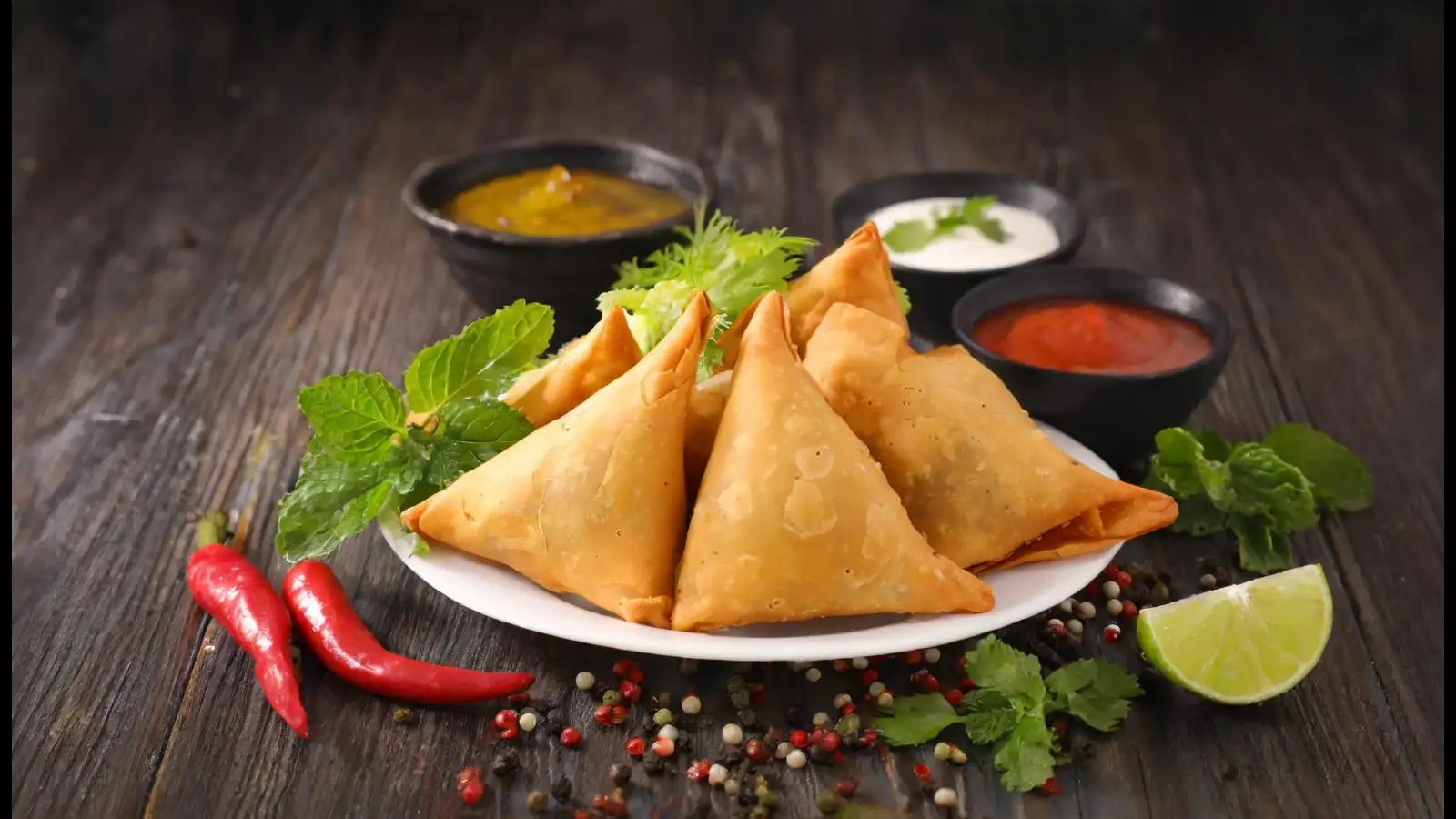
A crisp triangular pastry filled with spiced potatoes may seem unmistakably Indian today, but the history of samosa tells a much wider story.
The exact origin of the snack is debated, with different accounts connecting it to parts of the Middle East, Central Asia and the wider Persianate world. What is clearer is that versions of stuffed pastries existed centuries before the samosa became the popular Indian snack we know today.
The dish travelled along trade and migration routes, eventually reaching the Indian subcontinent and becoming part of local culinary traditions.
The name itself is also linked with the Persian term sambūsa. Over time, as the dish travelled between regions, its name and preparation changed.
This helps explain why similar snacks are still found under different names across South Asia, the Middle East and parts of Africa.
Also Read: World Samosa Day 2026: 7 Delicious Samosa Varieties To Try
The samosa also appears in later culinary records. A 15th-century Persian manuscript associated with the Malwa Sultanate mentions versions of the dish, showing that stuffed pastries had become established in Indian courtly food culture.
Local cooking traditions introduced a wide range of ingredients and flavours. Today, the potato-filled aloo samosa is particularly popular, while other versions use vegetables, meat, onions and regional ingredients.
Across India, the snack has taken on distinctive identities. Bengal has its shingara, Hyderabad is known for lukhmi, while other regions have developed their own fillings and styles.
Today, it is sold everywhere from street stalls and railway stations to restaurants and homes.
So, while the samosa is now an inseparable part of India’s snack culture, its journey reminds us that some of the world's most familiar foods have histories that cross borders and generations.
A crisp triangular pastry filled with spiced potatoes may seem unmistakably Indian today, but the history of samosa tells a much wider story.
The exact origin of the snack is debated, with different accounts connecting it to parts of the Middle East, Central Asia and the wider Persianate world. What is clearer is that versions of stuffed pastries existed centuries before the samosa became the popular Indian snack we know today.
The dish travelled along trade and migration routes, eventually reaching the Indian subcontinent and becoming part of local culinary traditions.
From Sambusa To Samosa
One of the names associated with early versions of the dish is sambusa or sanbusak. Historical food references describe pastries containing savoury fillings, including meat, nuts and spices.The name itself is also linked with the Persian term sambūsa. Over time, as the dish travelled between regions, its name and preparation changed.
This helps explain why similar snacks are still found under different names across South Asia, the Middle East and parts of Africa.
Also Read: World Samosa Day 2026: 7 Delicious Samosa Varieties To Try
Samosa In Medieval India
The samosa in India has been documented in medieval historical accounts. The 14th-century traveller Ibn Battuta described a dish called samusak served at the court of Muhammad bin Tughluq. His description included a thin wheat covering filled with minced meat, nuts, onions and spices, which was then fried in ghee.You may also like
- Teachers' Day: AI can deliver answers in seconds, but teachers do what technology cannot, build curiosity, critical thinking and independent minds
- 10 Signs You Might Have Emotional Deprivation Disorder
- 10 Most Common Problems in a Relationship All of Us Experience Often
- Work Stress Affecting Your Daily Life? Warning Signs That May Mean It's Time to Seek Help
- LPG Price Today: Latest LPG cylinder rates released nationwide; check the price in your city..
The samosa also appears in later culinary records. A 15th-century Persian manuscript associated with the Malwa Sultanate mentions versions of the dish, showing that stuffed pastries had become established in Indian courtly food culture.
How India Gave Samosa Its Own Identity
Although early versions often featured meat and dried fruits or nuts, the snack gradually developed different forms in India.Local cooking traditions introduced a wide range of ingredients and flavours. Today, the potato-filled aloo samosa is particularly popular, while other versions use vegetables, meat, onions and regional ingredients.
Across India, the snack has taken on distinctive identities. Bengal has its shingara, Hyderabad is known for lukhmi, while other regions have developed their own fillings and styles.
From Royal Kitchens To Street Food
The samosa eventually moved beyond elite and courtly settings to become a much more accessible snack. Its relatively simple pastry and filling made it suitable for everyday eating, while regional cooks continued to adapt it to local tastes.Today, it is sold everywhere from street stalls and railway stations to restaurants and homes.
Why Samosa Remains So Popular
The history of samosa is ultimately a story of travel, adaptation and culinary exchange. It crossed regions, acquired new names and absorbed local ingredients before becoming deeply rooted in Indian food culture.So, while the samosa is now an inseparable part of India’s snack culture, its journey reminds us that some of the world's most familiar foods have histories that cross borders and generations.






Loving Newspoint? Download the app now
