
Why You Sometimes Instantly Distrust Someone, The Science Behind Gut Feelings

Think about the last time you met someone new. Everything about them seemed perfectly normal. They smiled, they were polite, and the conversation flowed well. And yet… Something just didn't feel right. You couldn't explain it. There was no obvious red flag. But your instinct kept saying,
Or perhaps you’ve had the opposite happen.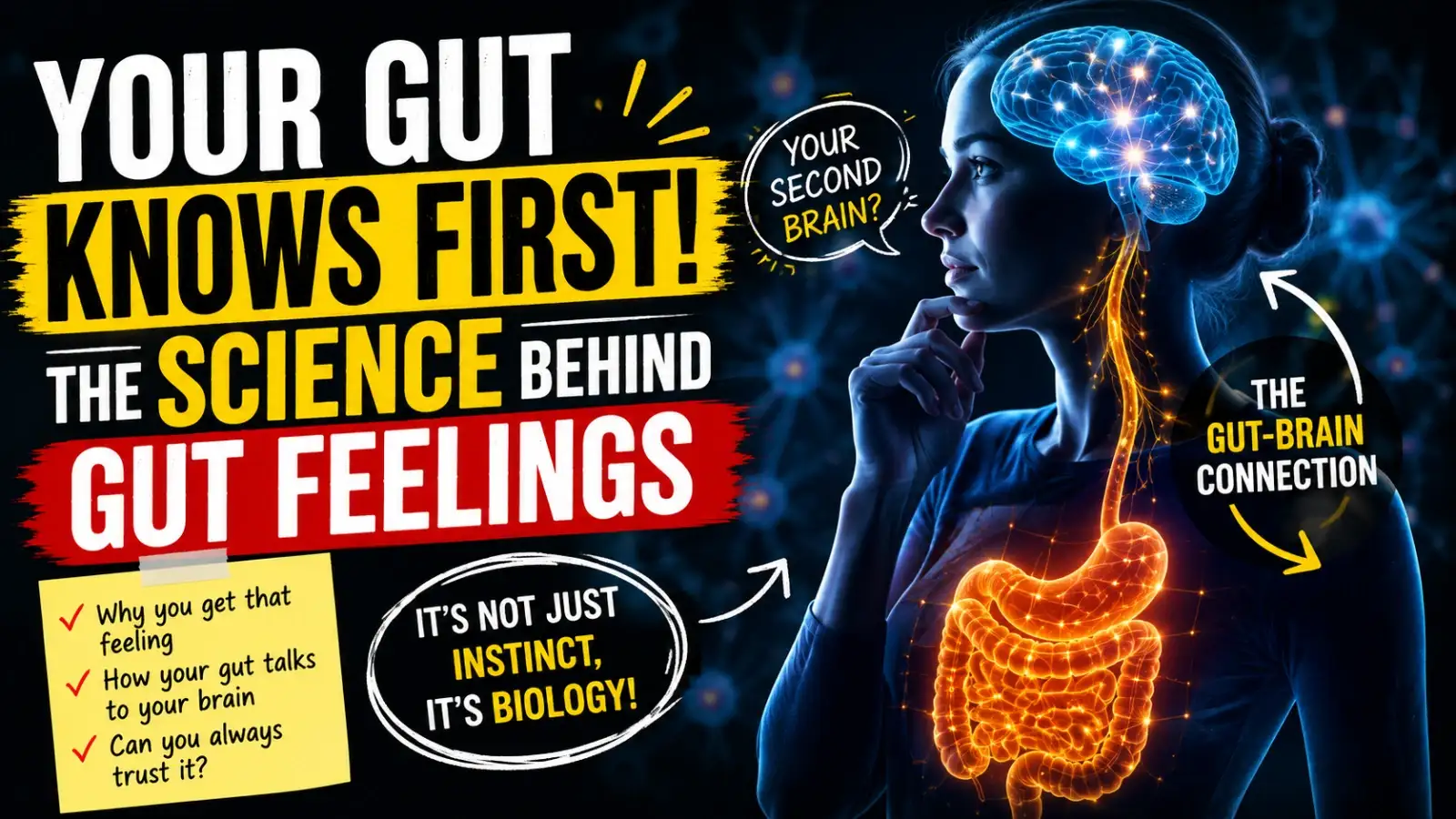
You just met somebody, and you felt good with them, like you'd known them for a long time when it was only minutes. We've all had moments like these. Most of the time, we brush them off as intuition, coincidence, or simply being "good at reading people". But science has a much more fascinating explanation. That strange feeling in your stomach might not be "just a feeling" at all.
No, it can't solve maths problems or remember your Netflix password. But it can constantly collect information about what's happening inside your body and send that information to your brain. And here's the part that surprises most people. The conversation isn't one-sided. In fact, much of the communication travels from your gut to your brain.
Maybe it felt tight; maybe you lost your appetite or maybe you suddenly needed the washroom. None of that happens by accident. Your brain and gut are connected by a communication network called the gut-brain axis, with the vagus nerve acting like a superfast messenger between the two. That's why stress affects your stomach. and why your stomach can affect your mood too.
Scientists are still figuring out how exactly these bacteria affect our emotions and mental health, but one thing is becoming clearer and clearer: A healthy mind and a healthy gut are more connected than we thought. It's one of the biggest areas of medical research today.
Their tone sounds slightly different. Their body language doesn't quite match their words. You may not actively register any of this. But your brain does. It quickly compares those tiny clues with thousands of experiences you've had throughout your life.
Before you've even finished thinking, your body sends you a signal. That signal often feels like a knot in your stomach. Or a sense of calm, or an unexplainable feeling that something isn't quite right. In other words… Your "gut feeling" is often your brain recognising patterns before your conscious mind catches up.
Years of experience have trained the brain to almost instantly recognise patterns. But gut feelings can also be influenced by stress, anxiety, bad past experiences or even unconscious biases. That's why your gut should start the conversation, not end it. It's a signal worth paying attention to, not a replacement for logic.
Your gut works hard every single day. The healthier it is, the better it can support the rest of your body.
don't roll your eyes. They may not be predicting the future. But their brain and body could be picking up signals they haven't consciously noticed yet.
Sometimes, your mind takes time to understand what your body already knows. And maybe that's why, every now and then, your gut seems to know first.
Or perhaps you’ve had the opposite happen.
You just met somebody, and you felt good with them, like you'd known them for a long time when it was only minutes. We've all had moments like these. Most of the time, we brush them off as intuition, coincidence, or simply being "good at reading people". But science has a much more fascinating explanation. That strange feeling in your stomach might not be "just a feeling" at all.
Your Stomach Is Busier Than You Think
When we think about the stomach, we usually think about food. Pizza goes in, energy comes out, end of story. But your digestive system is doing a lot more than helping you digest lunch. Hidden inside your gut is an enormous network of nerves called the enteric nervous system . It contains more than 500 million neurones, so many that scientists often nickname it the body's second brain .No, it can't solve maths problems or remember your Netflix password. But it can constantly collect information about what's happening inside your body and send that information to your brain. And here's the part that surprises most people. The conversation isn't one-sided. In fact, much of the communication travels from your gut to your brain.
Ever Felt Butterflies Before Something Big?
Think about the last time you had an important interview, or stood backstage before giving a presentation, or waited for someone to text you back. Your stomach probably knew before your brain admitted you were nervous.Maybe it felt tight; maybe you lost your appetite or maybe you suddenly needed the washroom. None of that happens by accident. Your brain and gut are connected by a communication network called the gut-brain axis, with the vagus nerve acting like a superfast messenger between the two. That's why stress affects your stomach. and why your stomach can affect your mood too.
Your Gut Is Home to Trillions of Tiny Roommates
Here's something that sounds unbelievable. Your digestive system is home to trillions of bacteria. Don't worry, most of them are actually helping you. These tiny microbes help digest food, support your immune system, and even produce chemicals your body needs.Scientists are still figuring out how exactly these bacteria affect our emotions and mental health, but one thing is becoming clearer and clearer: A healthy mind and a healthy gut are more connected than we thought. It's one of the biggest areas of medical research today.
So... What Exactly Is a Gut Feeling?
Here's where things get really interesting. A gut feeling isn't magic. Your brain is constantly picking up tiny details that you don't consciously notice. Someone's facial expression changes for half a second.You may also like
- Keys to a Healthy Lifestyle
- Broom Cleaning Tips: Is your old broom too worn out? Do this before throwing it away.
- Toilet Yellow Stains: Toilet stains persist even after repeated scrubbing. Learn the real reason.
- Rare Stomach Cancer: Two women in Mumbai have been diagnosed with extremely rare stomach cancer!
- Salman Khan 16 Kg Weight Loss: Salman shines after losing 16 kg weight, people above 60 must know this health secret!
Their tone sounds slightly different. Their body language doesn't quite match their words. You may not actively register any of this. But your brain does. It quickly compares those tiny clues with thousands of experiences you've had throughout your life.
Before you've even finished thinking, your body sends you a signal. That signal often feels like a knot in your stomach. Or a sense of calm, or an unexplainable feeling that something isn't quite right. In other words… Your "gut feeling" is often your brain recognising patterns before your conscious mind catches up.
But Can You Always Trust It?
Not always. This is where people often misunderstand intuition. Sometimes your gut is incredibly accurate. An experienced doctor might sense something is wrong before test reports confirm it. A firefighter may notice danger before anyone else. A cricket player can predict where the ball is heading without stopping to think.Years of experience have trained the brain to almost instantly recognise patterns. But gut feelings can also be influenced by stress, anxiety, bad past experiences or even unconscious biases. That's why your gut should start the conversation, not end it. It's a signal worth paying attention to, not a replacement for logic.
Looking After Your Gut Helps More Than You Think
Scientists are still uncovering just how important gut health is, but one thing is already obvious. Looking after your gut isn't only about avoiding stomach aches. Eating fibre-rich foods, fruits, vegetables, and yoghurt; eating fermented foods; drinking enough water; sleeping well; exercising; and managing stress are all things that help to create a healthier environment inside your digestive system.Your gut works hard every single day. The healthier it is, the better it can support the rest of your body.
Gut Sometimes Knows the Truth Before You Do
The next time you hear someone say,don't roll your eyes. They may not be predicting the future. But their brain and body could be picking up signals they haven't consciously noticed yet.
Sometimes, your mind takes time to understand what your body already knows. And maybe that's why, every now and then, your gut seems to know first.






Loving Newspoint? Download the app now
