
Secrets of the Night Sky: Understanding the Science and Wonder Behind the Aurora Phenomenon

Few natural occurrences capture the human imagination quite like the aurora phenomenon . For millennia, these dancing ribbons of green, purple, and crimson light across the polar skies have inspired myths, legends, and a deep sense of wonder. Known scientifically as the Aurora Borealis in the north and the Aurora Australis in the south, this ethereal display is far more than a beautiful spectacle. It is a powerful visual demonstration of the dynamic relationship between our planet and the sun. Understanding the mechanisms behind these celestial light shows reveals a fascinating tale of cosmic physics playing out right above our heads.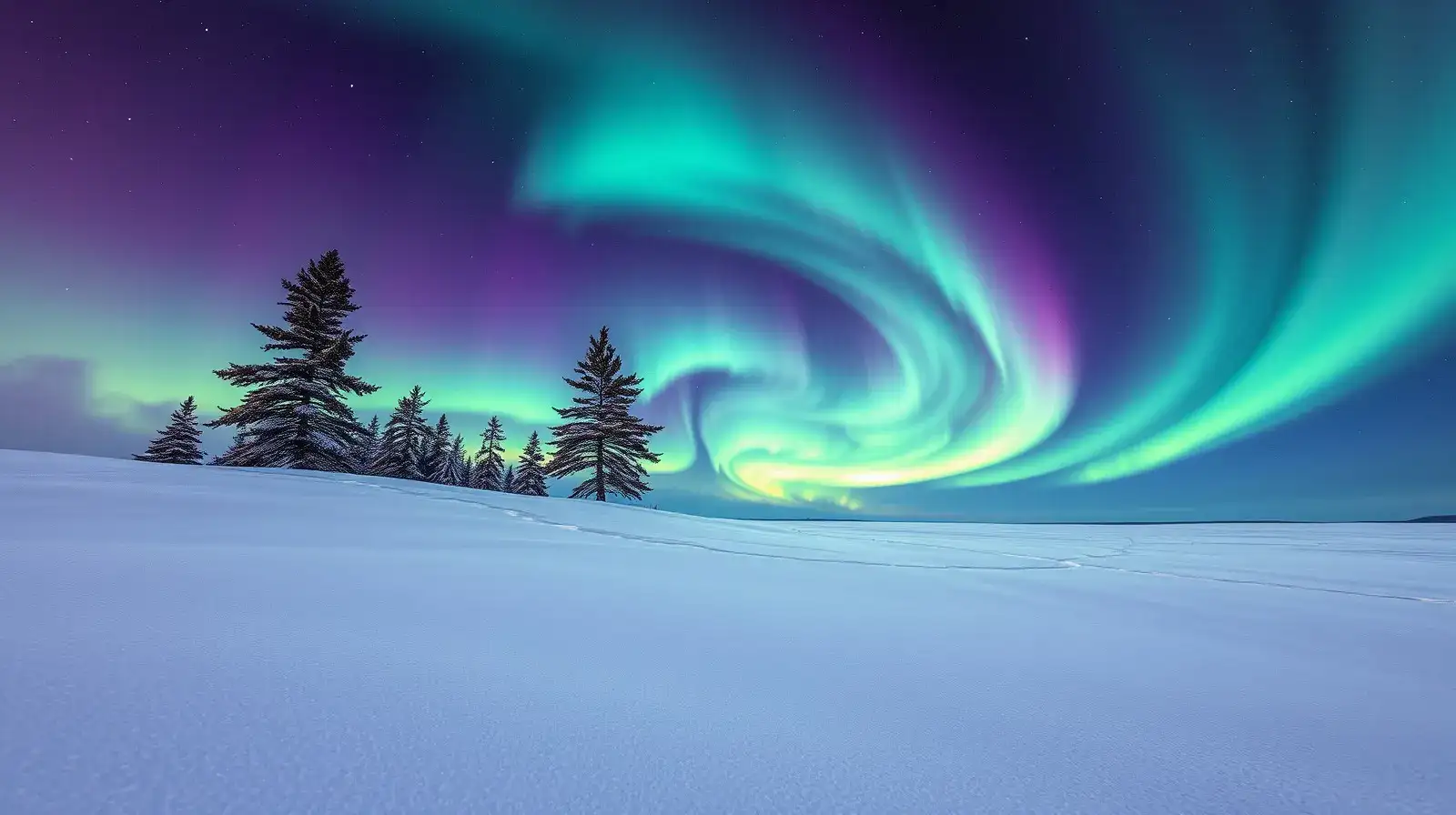
When this stream arrives, it encounters Earth’s magnetic field, or magnetosphere, which acts as a protective shield. However, the magnetic field lines are weakest at the polar regions. It is here that the charged particles manage to seep into our upper atmosphere, setting the stage for the incredible light show.
When the atmospheric atoms calm down and return to their normal state, they release that energy in the form of light photons. The specific colour of the aurora depends heavily on which gas is being struck and how high up the collision occurs in the atmosphere.
Oxygen molecules located around 60 miles above us produce the classic, vibrant pale green and yellow hues that define most sightings. If the solar wind hits oxygen at much higher altitudes, around 200 miles up, it creates rare, deep red glows. Meanwhile, nitrogen collisions are responsible for producing the stunning purples, blues, and violet edges that outline the dancing curtains.
When these massive clouds of solar material hit Earth, they trigger intense geomagnetic storms. These storms disturb our magnetic field, causing the auroral oval to expand significantly. During exceptionally strong storms, the Northern Lights and Southern Lights can become visible much closer to the equator than usual, allowing millions more people to experience their beauty.
For the Northern Lights, destinations like Iceland, Norway, northern Canada, and Alaska are legendary hotspots. If you are chasing the Southern Lights, the southern tips of New Zealand, Tasmania, and Antarctica offer the best vantage points. Winter is the prime viewing season in both hemispheres because the long, dark nights provide the stark contrast needed to see the lights clearly.
A sturdy tripod is non-negotiable to prevent camera shake during long exposures. Setting your camera to manual mode, using a wide-angle lens with a fast aperture, and adjusting your ISO settings will help capture the faint light without losing the crisp detail of the starry backdrop. With a bit of practice, you can immortalise the breathtaking dance of the cosmos.
The Cosmic Origin of the Cosmic Lights
To truly grasp the magic of the aurora phenomenon, we have to look far beyond our own atmosphere, starting at the very heart of our solar system. The sun is a turbulent ball of plasma that constantly releases a stream of charged particles known as the solar wind . This wind travels across space at incredible speeds, carrying electrons and protons toward Earth.When this stream arrives, it encounters Earth’s magnetic field, or magnetosphere, which acts as a protective shield. However, the magnetic field lines are weakest at the polar regions. It is here that the charged particles manage to seep into our upper atmosphere, setting the stage for the incredible light show.
When Particles Collide: Creating the Colours
The vivid colours we witness during an aurora are the direct result of collisions between these solar invaders and the gases in our atmosphere. As the solar particles smash into oxygen and nitrogen atoms, they transfer their energy, temporarily exciting these atoms.When the atmospheric atoms calm down and return to their normal state, they release that energy in the form of light photons. The specific colour of the aurora depends heavily on which gas is being struck and how high up the collision occurs in the atmosphere.
You may also like
- Next £36 summer sandals are 'so comfortable and look good too'
- Inspirational Lessons from Abraham Lincoln's Life and Quotes
- Human Metapneumovirus (HMPV) During Pregnancy: What Expecting Moms Should Know
- Gentle Parenting vs Permissive Parenting: What's the Difference?
- 5 Major Money Changes to Watch in June 2026: RBI Policy, Tax Deadlines, LPG Prices and More
Oxygen molecules located around 60 miles above us produce the classic, vibrant pale green and yellow hues that define most sightings. If the solar wind hits oxygen at much higher altitudes, around 200 miles up, it creates rare, deep red glows. Meanwhile, nitrogen collisions are responsible for producing the stunning purples, blues, and violet edges that outline the dancing curtains.
The Role of Geomagnetic Storms
While the aurora is a constant presence near the poles, its intensity varies dramatically depending on solar activity. Periodically, the sun experiences massive eruptions known as Coronal Mass Ejections (CMEs), sending billions of tonnes of plasma hurtling into space.When these massive clouds of solar material hit Earth, they trigger intense geomagnetic storms. These storms disturb our magnetic field, causing the auroral oval to expand significantly. During exceptionally strong storms, the Northern Lights and Southern Lights can become visible much closer to the equator than usual, allowing millions more people to experience their beauty.
Seeking the Perfect View
Experiencing the aurora phenomenon firsthand is a bucket-list dream for travellers and stargazers worldwide. To maximise your chances of witnessing this spectacle, timing and location are absolutely critical. The regions closest to the Arctic and Antarctic circles offer the most consistent opportunities for viewing.For the Northern Lights, destinations like Iceland, Norway, northern Canada, and Alaska are legendary hotspots. If you are chasing the Southern Lights, the southern tips of New Zealand, Tasmania, and Antarctica offer the best vantage points. Winter is the prime viewing season in both hemispheres because the long, dark nights provide the stark contrast needed to see the lights clearly.
Capturing the Magic through the Lens
Photographing this elusive spectacle requires patience and the right equipment. Because the lights can range from a faint glow to rapid, sweeping movements, night sky photography techniques are essential for capturing their true essence.A sturdy tripod is non-negotiable to prevent camera shake during long exposures. Setting your camera to manual mode, using a wide-angle lens with a fast aperture, and adjusting your ISO settings will help capture the faint light without losing the crisp detail of the starry backdrop. With a bit of practice, you can immortalise the breathtaking dance of the cosmos.






More from our partners


Loving Newspoint? Download the app now
