
7 Key Facts About Stonehenge You Should Know

Stonehenge is one of the most remarkable ancient monuments in the world and continues to attract global attention due to its mystery and historical importance. Located in Wiltshire on Salisbury Plain in England, Stonehenge is a UNESCO World Heritage Site that reflects the ingenuity of prehistoric civilisation. Despite centuries of study, it still raises questions about its true purpose and construction.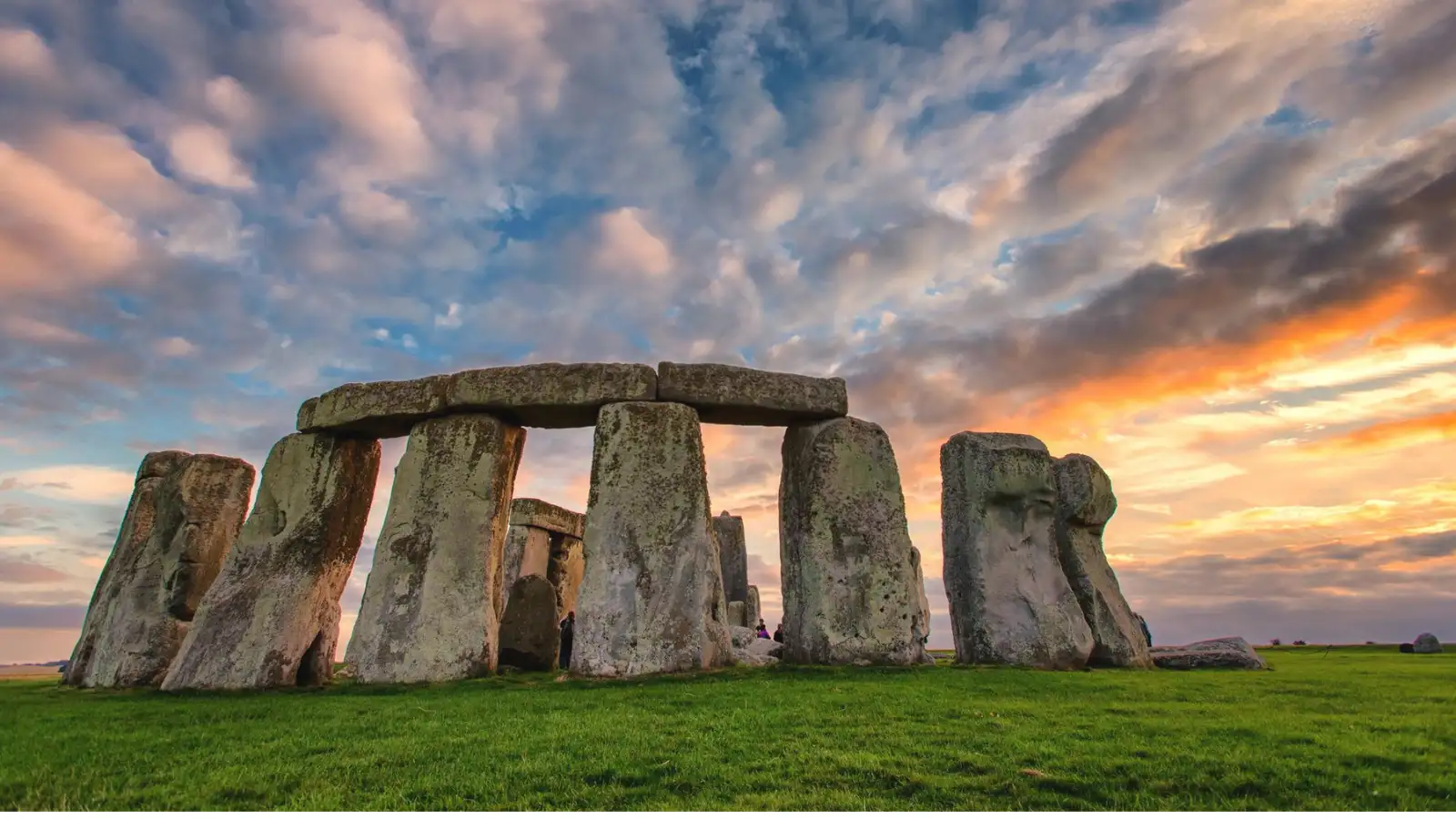
Also Read: 7 Interesting Facts About The Eiffel Tower You Should Know
Stonehenge remains a powerful symbol of human history, combining mystery, engineering skill and cultural depth. Its enduring presence ensures it will continue to inspire curiosity for generations to come.
1. Stonehenge is Over 4,500 Years Old
One of the most important Stonehenge facts is its age. The monument was built in several stages between 3000 BC and 2000 BC, making it older than the pyramids of Egypt. This highlights the advanced capabilities of Neolithic communities in Britain.2. It Was Built in Multiple Phases
Stonehenge construction facts show that the site was not created all at once. It evolved over centuries, starting as a simple earthwork before massive stones were added later. This gradual development suggests long-term cultural or ceremonial importance.Also Read: 7 Interesting Facts About The Eiffel Tower You Should Know
3. The Stones Came from Distant Locations
Some of the stones used in Stonehenge were transported from over 150 miles away in Wales. This remarkable achievement continues to puzzle historians and archaeologists, as it required significant planning and manpower without modern tools.4. Its Purpose Remains a Mystery
One of the most debated prehistoric Stonehenge mysteries is its purpose. Theories suggest it may have been a religious site, burial ground or healing centre. No single explanation has been universally accepted, adding to its intrigue.5. It Aligns with the Sun
Stonehenge is famously aligned with the summer and winter solstices. During these times, the sun rises and sets in perfect alignment with the stones, indicating its possible role as an ancient astronomical calendar.6. It Was a Burial Site
Archaeological discoveries show that Stonehenge was used as a burial site for centuries. Human remains found nearby suggest it held deep spiritual or ceremonial significance for Neolithic people.7. It Is a UNESCO World Heritage Site
Today, Stonehenge is protected as a UNESCO World Heritage Site and is one of the most visited ancient sites in Britain. It continues to attract tourists, historians and researchers from around the world.Stonehenge remains a powerful symbol of human history, combining mystery, engineering skill and cultural depth. Its enduring presence ensures it will continue to inspire curiosity for generations to come.
Next Story