
From Owls To Oilbirds: 6 Birds You’ll Only Spot After Sunset

When the sun dips below the horizon, a different side of nature awakens. While most birds rest, a special group known as nocturnal birds takes flight. These birds active at night rely on sharp hearing, exceptional vision, and silent movement to survive.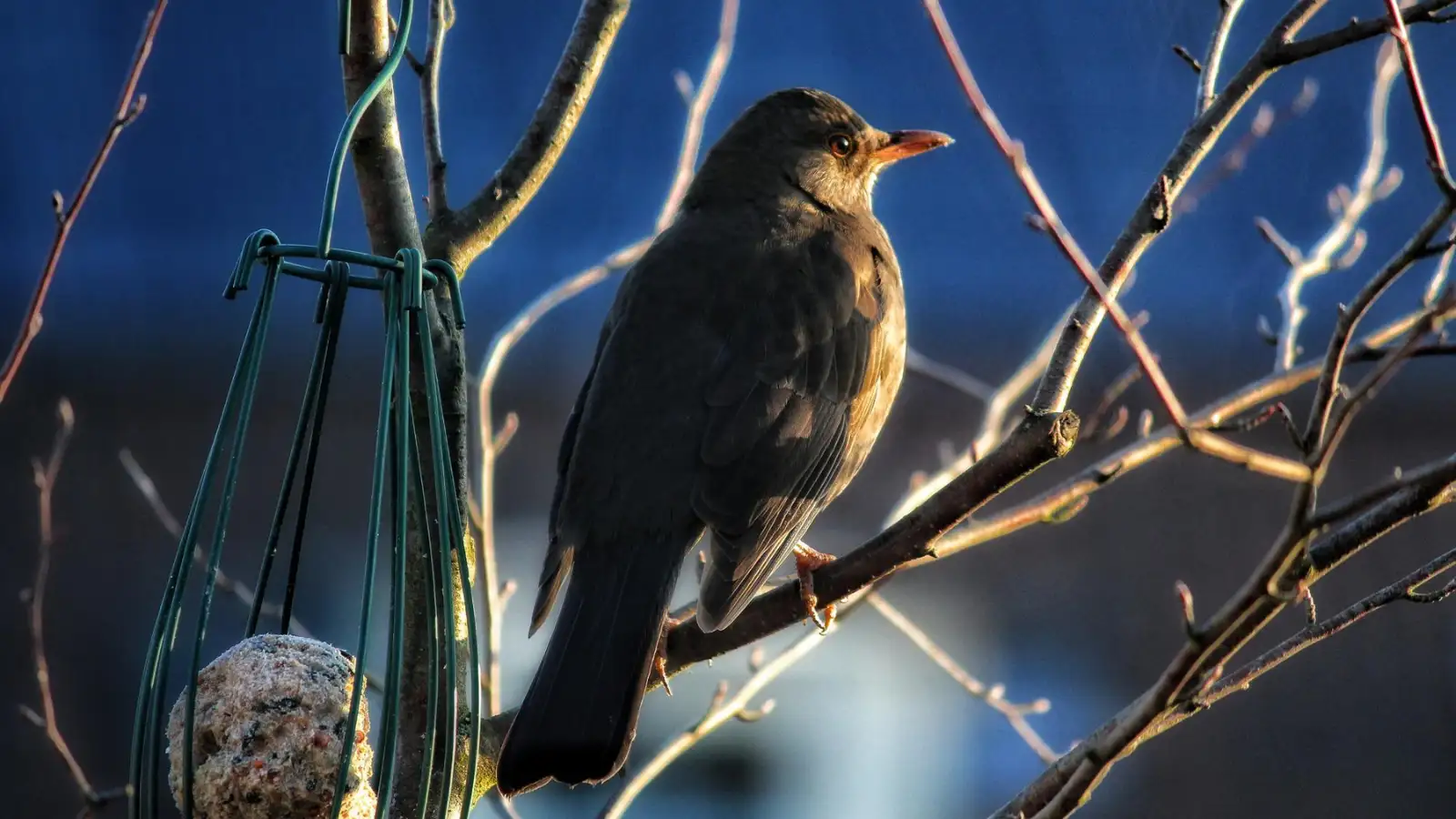
Exploring these night birds reveals a mysterious ecosystem that many rarely witness.
1. Owl: The Silent Night Hunter
Owls are perhaps the most iconic nocturnal birds. With their large eyes and ability to rotate their heads, they are perfectly adapted for hunting in darkness. Their silent flight allows them to swoop down on prey unnoticed. Species like the barn owl are famous for their ghostly appearance and eerie calls.
2. Nightjar: The Master of Camouflage
Nightjars blend seamlessly into their surroundings during the day, making them almost invisible. At night, these birds active at night become agile insect hunters. Their wide mouths help them catch flying insects mid-air, making them highly efficient feeders.
3. Kiwi: The Flightless Night Explorer
Native to New Zealand, the kiwi is a unique nocturnal bird that cannot fly. Instead, it uses its strong sense of smell—rare among birds—to locate food like worms and insects. Its shy and secretive behaviour makes it one of the most fascinating night birds .
4. Tawny Frogmouth: The Tree Whisperer
Often mistaken for an owl, the tawny frogmouth is known for its incredible camouflage. During the day, it looks like a broken tree branch. At night, this bird active at night hunts insects and small animals with precision.
5. Kakapo: The Rare Night Parrot
The kakapo is a critically endangered, flightless parrot from New Zealand. Unlike most parrots, it is a nocturnal bird. It uses a unique booming call to attract mates, echoing through forests at night. Conservation efforts are helping protect this extraordinary species.
6. Oilbird: The Cave Navigator
Oilbirds are one of the few birds that use echolocation, similar to bats. Found in caves in South America, these night birds navigate in complete darkness using sound. They feed on fruits and play an important role in seed dispersal.
Read More: Birds: Incredible Facts That Will Surprise You
Why Are Some Birds Nocturnal?
Being birds active at night offers several advantages. It helps avoid predators, reduces competition for food, and allows them to exploit unique food sources. Their specialised adaptations like enhanced vision and hearing make them masters of the night.
The world of nocturnal birds is full of mystery and wonder. These birds active at night prove that nature never truly sleeps. From silent hunters to cave navigators, each species plays a vital role in maintaining ecological balance. Next time you hear a sound in the dark, it might just be one of these extraordinary creatures at work.
Exploring these night birds reveals a mysterious ecosystem that many rarely witness.
1. Owl: The Silent Night Hunter
Owls are perhaps the most iconic nocturnal birds. With their large eyes and ability to rotate their heads, they are perfectly adapted for hunting in darkness. Their silent flight allows them to swoop down on prey unnoticed. Species like the barn owl are famous for their ghostly appearance and eerie calls.2. Nightjar: The Master of Camouflage
Nightjars blend seamlessly into their surroundings during the day, making them almost invisible. At night, these birds active at night become agile insect hunters. Their wide mouths help them catch flying insects mid-air, making them highly efficient feeders. 3. Kiwi: The Flightless Night Explorer
Native to New Zealand, the kiwi is a unique nocturnal bird that cannot fly. Instead, it uses its strong sense of smell—rare among birds—to locate food like worms and insects. Its shy and secretive behaviour makes it one of the most fascinating night birds .You may also like
- Spot an Extra Charge on Your Restaurant Bill? Complain Immediately; Government Declares LPG Surcharge Illegal
- Will You Get an LPG Gas Cylinder Sooner in the City or the Village? Find Out What the Rules Say
- A New Avenue for Earnings Opens Up on Facebook and Instagram: Meta Launches a Game-Changing Initiative
- What Should Women Know About the Invisible Side of PCOS?
- Babur's Complex Impressions of Hindustan: A Blend of Critique and Admiration
4. Tawny Frogmouth: The Tree Whisperer
Often mistaken for an owl, the tawny frogmouth is known for its incredible camouflage. During the day, it looks like a broken tree branch. At night, this bird active at night hunts insects and small animals with precision. 5. Kakapo: The Rare Night Parrot
The kakapo is a critically endangered, flightless parrot from New Zealand. Unlike most parrots, it is a nocturnal bird. It uses a unique booming call to attract mates, echoing through forests at night. Conservation efforts are helping protect this extraordinary species. 6. Oilbird: The Cave Navigator
Oilbirds are one of the few birds that use echolocation, similar to bats. Found in caves in South America, these night birds navigate in complete darkness using sound. They feed on fruits and play an important role in seed dispersal. Read More: Birds: Incredible Facts That Will Surprise You
Why Are Some Birds Nocturnal?
Being birds active at night offers several advantages. It helps avoid predators, reduces competition for food, and allows them to exploit unique food sources. Their specialised adaptations like enhanced vision and hearing make them masters of the night. The world of nocturnal birds is full of mystery and wonder. These birds active at night prove that nature never truly sleeps. From silent hunters to cave navigators, each species plays a vital role in maintaining ecological balance. Next time you hear a sound in the dark, it might just be one of these extraordinary creatures at work.






More from our partners


Loving Newspoint? Download the app now
