
Sleepmaxxing Is the Biggest Wellness Trend of 2026: What It Really Means

For years, fitness enthusiasts focused on perfect diets and intense workout routines to stay healthy. In 2026, however, the spotlight has shifted to something far more basic but equally powerful, sleep. A growing wellness movement known as " Sleepmaxxing " is encouraging people to optimise every aspect of their nightly rest, from bedroom temperature and lighting to sleep schedules and digital habits. Fuelled by social media, wearable technology and increasing awareness of mental health, Sleepmaxxing has quickly become one of the biggest wellness trends of the year. But is it simply another internet craze, or is there genuine science behind it? Experts believe the answer lies somewhere in between.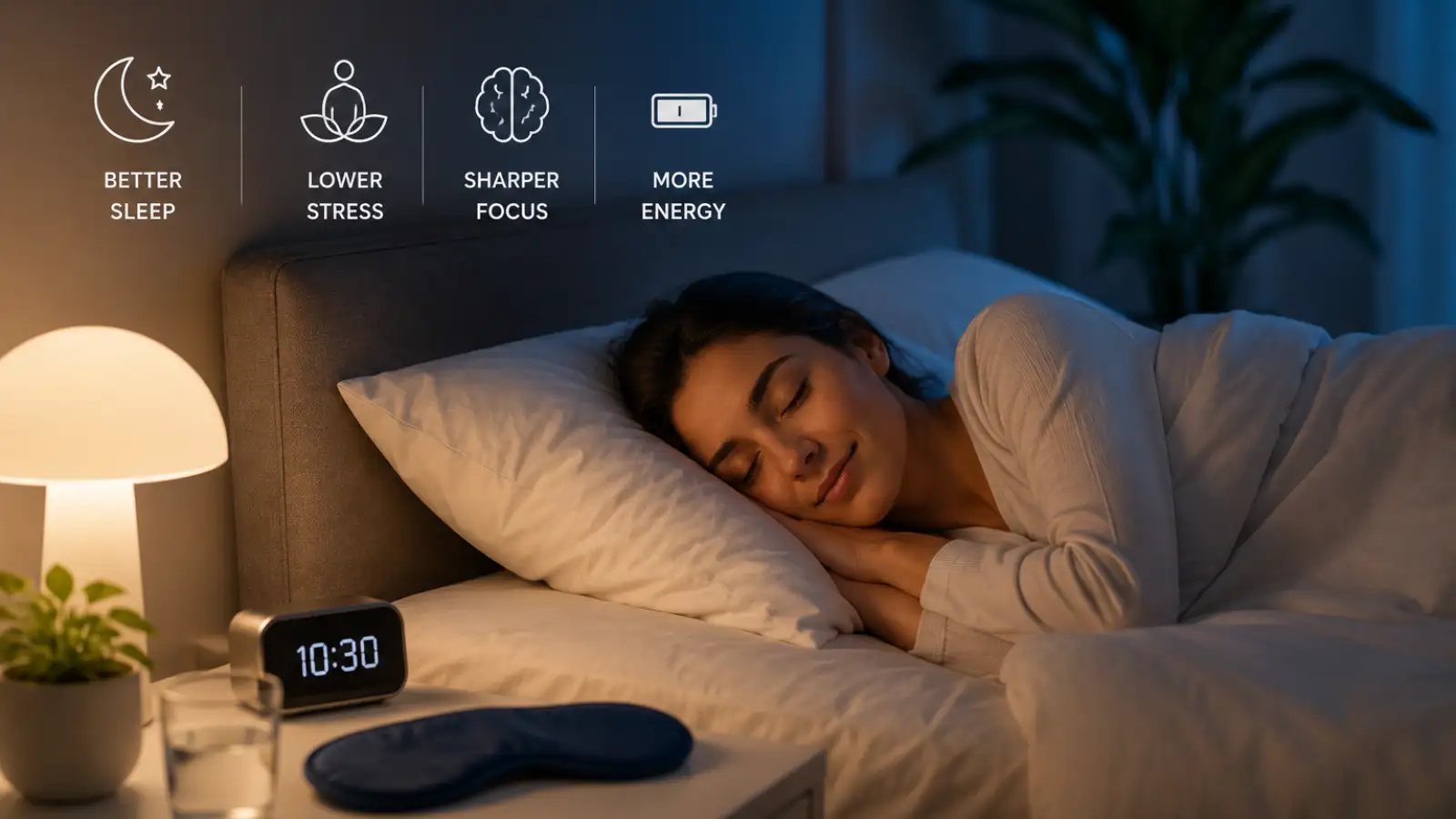
People embracing the trend often maintain consistent bedtimes, reduce screen exposure before sleeping, avoid late-night caffeine, use blackout curtains and monitor their sleep with wearable devices. Some also experiment with white noise machines, cooling mattresses and sleep-friendly lighting to create the perfect sleep environment.
Following the COVID-19 pandemic, many people became more conscious of stress, burnout and poor sleeping habits. Combined with demanding work schedules and increased screen time, this has encouraged millions to prioritise sleep in the same way they prioritise exercise or healthy eating.
Social media has further accelerated the trend, with creators sharing bedtime routines, sleep hacks and wellness tips that have attracted millions of views.
However, expensive gadgets and supplements are not always necessary. Sleep specialists often emphasise that simple habits, such as avoiding heavy meals before bed, exercising regularly and reducing evening stress, can make a greater difference than costly sleep products.
Another lesser-known insight is that sleep quality often matters more than sleep duration. Someone who sleeps deeply for seven hours may wake up feeling more refreshed than another person who spends nine hours in bed with frequent interruptions.
What Is Sleepmaxxing?
Sleepmaxxing refers to the practice of improving sleep quality through deliberate lifestyle changes and evidence-based habits. Unlike simply trying to get eight hours of sleep, it focuses on creating the ideal conditions for deep, uninterrupted rest.People embracing the trend often maintain consistent bedtimes, reduce screen exposure before sleeping, avoid late-night caffeine, use blackout curtains and monitor their sleep with wearable devices. Some also experiment with white noise machines, cooling mattresses and sleep-friendly lighting to create the perfect sleep environment.
Why Is Sleepmaxxing Becoming So Popular?
The popularity of Sleepmaxxing reflects a growing understanding that good sleep affects almost every aspect of health. Research has consistently shown that quality sleep supports memory, concentration, immunity, emotional wellbeing and physical recovery.Following the COVID-19 pandemic, many people became more conscious of stress, burnout and poor sleeping habits. Combined with demanding work schedules and increased screen time, this has encouraged millions to prioritise sleep in the same way they prioritise exercise or healthy eating.
You may also like
- 'I used to love charity shops - but £9bn app has now ruined them'
- Healthcare Workers Report: Increasing violence against 4 out of 10 healthcare workers has become a global crisis, WHO warns
- Pumpkin Seed Oil Tips: Want to make pumpkin seed oil at home? Learn these secret hair growth tips.
- M&S £26 'stylish' trainers are 'very comfortable and go well with summer dresses'
- What changes can you now make to a DDA flat without permission? Find out the new renovation rules..
Social media has further accelerated the trend, with creators sharing bedtime routines, sleep hacks and wellness tips that have attracted millions of views.
The Science Behind Better Sleep
While many Sleepmaxxing practices are backed by scientific evidence, experts warn that not every viral tip deserves attention. Maintaining a regular sleep schedule, limiting blue light exposure before bedtime and keeping bedrooms cool have all been linked to improved sleep quality.However, expensive gadgets and supplements are not always necessary. Sleep specialists often emphasise that simple habits, such as avoiding heavy meals before bed, exercising regularly and reducing evening stress, can make a greater difference than costly sleep products.
Lesser-Known Facts About Sleep
One surprising fact is that humans are among the few species that willingly sacrifice sleep despite knowing its importance. Studies have also found that even one night of poor sleep can temporarily affect decision-making, mood and reaction times.Another lesser-known insight is that sleep quality often matters more than sleep duration. Someone who sleeps deeply for seven hours may wake up feeling more refreshed than another person who spends nine hours in bed with frequent interruptions.
Why Sleepmaxxing Matters Today
Sleepmaxxing is more than a passing wellness trend. It reflects a growing shift towards preventive healthcare and a better understanding of how everyday habits shape long-term wellbeing. In a world where stress, digital distractions and demanding lifestyles have become the norm, quality sleep is increasingly recognised as one of the most valuable investments a person can make. The real lesson behind Sleepmaxxing is not about buying expensive gadgets or following every viral trend. It is about recognising that better sleep can lead to better health, sharper thinking and a more balanced life.





Loving Newspoint? Download the app now
