
Slice And Dice: 5 Tips To Preserve Veggie Nutrients During Prep

Vegetables are an essential part of a healthy diet, packed with vitamins, minerals, and antioxidants that are vital for our well-being. However, did you know that how you prepare your veggies can impact their nutritional value? Yes, it's true! The way you peel and cut your vegetables can affect the retention of nutrients . Follow these five tips to ensure you're getting the maximum nutrition from your veggies: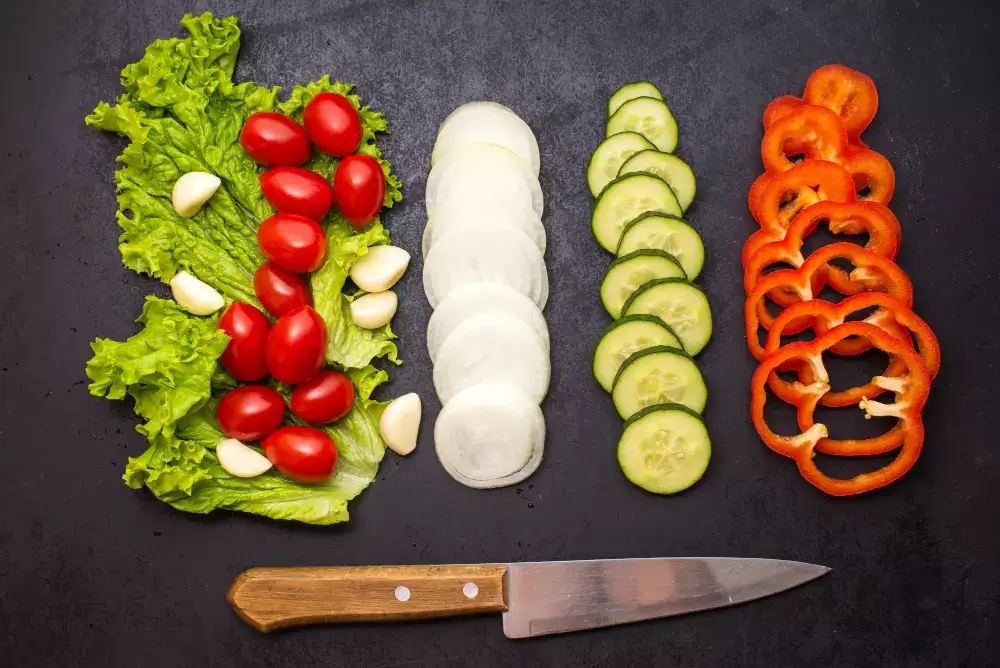
1. Keep the Skin On Whenever Possible
One of the simplest ways to preserve nutrients in your veggies is to leave the skin on. Many vegetables, such as potatoes, carrots, and cucumbers, contain valuable nutrients like fiber, vitamins, and minerals in their skins. Peeling them removes a significant portion of these nutrients. Instead, scrub them thoroughly to remove any dirt and bacteria, and enjoy the added nutritional benefits of the skin.
2. Opt for Minimal Cutting
Every time you cut a vegetable, you expose its inner layers to air and light, which can lead to nutrient loss through oxidation. To minimize this loss, cut your vegetables into larger chunks or slices rather than small pieces. For example, try roasting whole carrots or baking a whole squash instead of chopping them into small pieces. This way, you'll retain more of the nutrients within the vegetable.
3. Use the Right Tools
Choosing the right tools for peeling and cutting your veggies can make a significant difference in nutrient retention. Sharp knives and vegetable peelers are essential for minimizing damage to the vegetable's cells, which can help preserve nutrients. Invest in high-quality kitchen tools and ensure they're kept sharp for efficient and effective vegetable preparation.
4. Cook with Care
How you cook your veggies also impacts their nutritional content. To retain the most nutrients, opt for cooking methods like steaming, roasting, or microwaving, which require minimal water and cooking time. Boiling vegetables can lead to nutrient loss as some vitamins leach into the water. If you do boil your veggies, consider using the cooking water in soups or sauces to recapture some of the lost nutrients.
5. Eat Fresh and Local
Freshly harvested vegetables tend to have higher nutrient levels than those that have been sitting on grocery store shelves for days. Whenever possible, choose locally grown produce that's in season. Not only will you enjoy fresher, tastier vegetables, but you'll also maximize their nutritional value.
1. Keep the Skin On Whenever Possible
One of the simplest ways to preserve nutrients in your veggies is to leave the skin on. Many vegetables, such as potatoes, carrots, and cucumbers, contain valuable nutrients like fiber, vitamins, and minerals in their skins. Peeling them removes a significant portion of these nutrients. Instead, scrub them thoroughly to remove any dirt and bacteria, and enjoy the added nutritional benefits of the skin.
2. Opt for Minimal Cutting
Every time you cut a vegetable, you expose its inner layers to air and light, which can lead to nutrient loss through oxidation. To minimize this loss, cut your vegetables into larger chunks or slices rather than small pieces. For example, try roasting whole carrots or baking a whole squash instead of chopping them into small pieces. This way, you'll retain more of the nutrients within the vegetable.
You may also like
- From lullabies to careers: Keeping screens aside
- Underarm odor: Do you often experience the smell of sweat in your armpits? This simple trick while showering will eliminate the odor problem
- A balcony filled with butterflies asks us to notice small miracles – something difficult to find in our world
- Top 8 Mehendi Designs to Embrace This Monsoon Season
- Mirabai Chanu, a tea seller's daughter, who carried firewood on her head through forest trails, has today won first gold for India at the Commonwealth Games: The inspiring story of a girl whose first barbell was a bamboo stick
3. Use the Right Tools
Choosing the right tools for peeling and cutting your veggies can make a significant difference in nutrient retention. Sharp knives and vegetable peelers are essential for minimizing damage to the vegetable's cells, which can help preserve nutrients. Invest in high-quality kitchen tools and ensure they're kept sharp for efficient and effective vegetable preparation.
4. Cook with Care
How you cook your veggies also impacts their nutritional content. To retain the most nutrients, opt for cooking methods like steaming, roasting, or microwaving, which require minimal water and cooking time. Boiling vegetables can lead to nutrient loss as some vitamins leach into the water. If you do boil your veggies, consider using the cooking water in soups or sauces to recapture some of the lost nutrients.
5. Eat Fresh and Local
Freshly harvested vegetables tend to have higher nutrient levels than those that have been sitting on grocery store shelves for days. Whenever possible, choose locally grown produce that's in season. Not only will you enjoy fresher, tastier vegetables, but you'll also maximize their nutritional value.






Loving Newspoint? Download the app now
