
Easy Ways to Add More Vegetables to Your Daily Meals Without Feeling Like You're Dieting

Vegetables are packed with vitamins, minerals, fiber, and antioxidants that support overall health. Yet, many people struggle to include enough vegetables in their everyday meals. The good news is that you don't have to completely change your eating habits. A few simple adjustments can help you enjoy more vegetables while keeping your meals delicious and satisfying.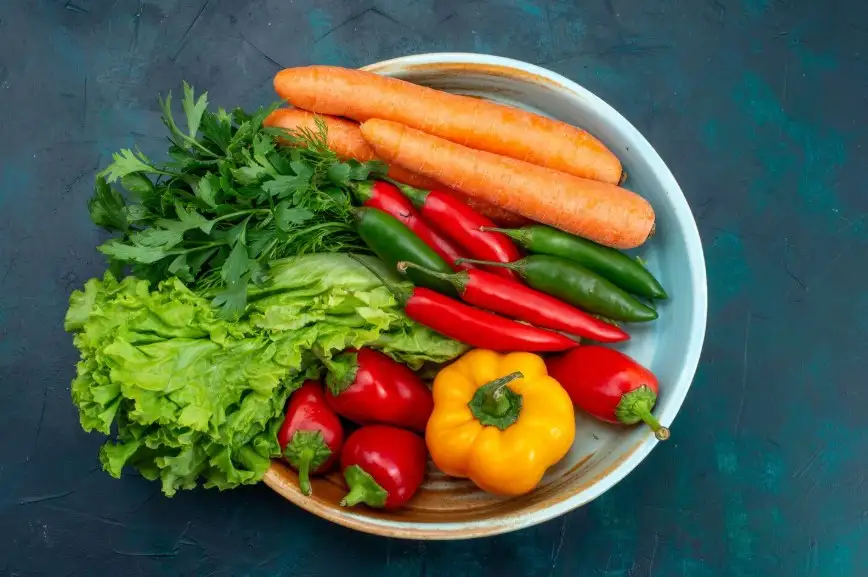
Start Your Day with Vegetables
Breakfast doesn't have to be limited to cereal or toast. Add spinach, tomatoes, mushrooms, onions, or bell peppers to omelets, scrambled eggs, or breakfast wraps. You can also blend leafy greens like spinach into fruit smoothies. The fruit masks the taste while adding extra nutrients.
Add Extra Veggies to Soups and Stews
Soups and stews are one of the easiest ways to increase vegetable intake . Mix in carrots, peas, beans, zucchini, cauliflower, broccoli, pumpkin, or leafy greens. Pureed vegetables can also make soups creamier without adding heavy cream.
Make Salads More Exciting
A salad doesn't have to be just lettuce and cucumber. Include colorful vegetables such as carrots, beetroot, cabbage, cherry tomatoes, radishes, sweet corn, and bell peppers. Adding nuts, seeds, beans, or grilled tofu can make salads more filling and flavorful.
Sneak Vegetables into Pasta and Rice
Mix finely chopped vegetables into pasta sauces, fried rice, pulao, or noodles. Grated carrots, zucchini, spinach, mushrooms, and broccoli blend well with these dishes and enhance both nutrition and taste without changing the overall flavor too much.
Choose Vegetables as Healthy Snacks
Keep washed and chopped vegetables ready in the refrigerator for quick snacking. Carrot sticks, cucumber slices, celery, bell peppers, and cherry tomatoes pair well with homemade yogurt dips or hummus, making them a healthy alternative to processed snacks.
Upgrade Your Sandwiches and Wraps
Instead of relying only on cheese or spreads, fill sandwiches and wraps with lettuce, cucumber, tomatoes, onions, avocado, grated carrots, roasted peppers, and sprouts. The added crunch and freshness make every bite more enjoyable.
Blend Vegetables into Sauces
Many vegetables can be blended into pasta sauces, curries, and gravies. Tomatoes, carrots, pumpkin, spinach, and roasted bell peppers create rich, flavorful sauces while naturally increasing your vegetable intake.
Roast Vegetables for Better Flavor
Roasting brings out the natural sweetness of vegetables. Toss broccoli, cauliflower, carrots, sweet potatoes, zucchini, or Brussels sprouts with a little olive oil and herbs before baking. Roasted vegetables make an excellent side dish or can be added to grain bowls and wraps.
Include Vegetables in Every Main Meal
A simple habit is to fill at least half your plate with vegetables during lunch and dinner. They can be served as salads, stir-fries, steamed sides, grilled vegetables, or mixed into the main dish. This approach naturally increases your daily intake without requiring major dietary changes.
Try New Seasonal Vegetables
Eating seasonal vegetables keeps meals interesting and often provides fresher produce at lower prices. Experiment with different cooking methods such as steaming, grilling, stir-frying, or roasting to discover new flavors and textures you enjoy.
Grow a Few Vegetables at Home
Even a small balcony or windowsill can support herbs, spinach, chilies, mint, or tomatoes. Homegrown vegetables often encourage people to cook more frequently and enjoy fresh produce as part of everyday meals.
Adding more vegetables to your meals doesn't require a strict diet or complicated recipes. Small, consistent changes, such as adding vegetables to breakfast, mixing them into favorite dishes, choosing veggie-based snacks, and exploring seasonal produce, can significantly improve your daily nutrition. Over time, these simple habits can help create a more balanced, colorful, and enjoyable way of eating.
Start Your Day with Vegetables
Breakfast doesn't have to be limited to cereal or toast. Add spinach, tomatoes, mushrooms, onions, or bell peppers to omelets, scrambled eggs, or breakfast wraps. You can also blend leafy greens like spinach into fruit smoothies. The fruit masks the taste while adding extra nutrients. Add Extra Veggies to Soups and Stews
Soups and stews are one of the easiest ways to increase vegetable intake . Mix in carrots, peas, beans, zucchini, cauliflower, broccoli, pumpkin, or leafy greens. Pureed vegetables can also make soups creamier without adding heavy cream.Make Salads More Exciting
A salad doesn't have to be just lettuce and cucumber. Include colorful vegetables such as carrots, beetroot, cabbage, cherry tomatoes, radishes, sweet corn, and bell peppers. Adding nuts, seeds, beans, or grilled tofu can make salads more filling and flavorful. Sneak Vegetables into Pasta and Rice
Mix finely chopped vegetables into pasta sauces, fried rice, pulao, or noodles. Grated carrots, zucchini, spinach, mushrooms, and broccoli blend well with these dishes and enhance both nutrition and taste without changing the overall flavor too much.You may also like
- e-Challan Rules: Received an incorrect e-challan? Don't panic; here is the complete online process to get it cancelled.
- ATM Card: Every ATM card comes with free accident cover of up to ₹5 lakh; check if your card has it.
- UPI Tips: Reached your daily transaction limit? Here's how to keep making payments
- Mango Face Pack: Peel the mango and then mix this sour ingredient with the pulp to make a desi face pack; it will be very beneficial.
- Pillow Cleaning Tips: Odor coming from your pillow? Try this secret trick to freshen it up in no time, without washing it.
Choose Vegetables as Healthy Snacks
Keep washed and chopped vegetables ready in the refrigerator for quick snacking. Carrot sticks, cucumber slices, celery, bell peppers, and cherry tomatoes pair well with homemade yogurt dips or hummus, making them a healthy alternative to processed snacks. Upgrade Your Sandwiches and Wraps
Instead of relying only on cheese or spreads, fill sandwiches and wraps with lettuce, cucumber, tomatoes, onions, avocado, grated carrots, roasted peppers, and sprouts. The added crunch and freshness make every bite more enjoyable. Blend Vegetables into Sauces
Many vegetables can be blended into pasta sauces, curries, and gravies. Tomatoes, carrots, pumpkin, spinach, and roasted bell peppers create rich, flavorful sauces while naturally increasing your vegetable intake. Roast Vegetables for Better Flavor
Roasting brings out the natural sweetness of vegetables. Toss broccoli, cauliflower, carrots, sweet potatoes, zucchini, or Brussels sprouts with a little olive oil and herbs before baking. Roasted vegetables make an excellent side dish or can be added to grain bowls and wraps.Include Vegetables in Every Main Meal
A simple habit is to fill at least half your plate with vegetables during lunch and dinner. They can be served as salads, stir-fries, steamed sides, grilled vegetables, or mixed into the main dish. This approach naturally increases your daily intake without requiring major dietary changes. Try New Seasonal Vegetables
Eating seasonal vegetables keeps meals interesting and often provides fresher produce at lower prices. Experiment with different cooking methods such as steaming, grilling, stir-frying, or roasting to discover new flavors and textures you enjoy. Grow a Few Vegetables at Home
Even a small balcony or windowsill can support herbs, spinach, chilies, mint, or tomatoes. Homegrown vegetables often encourage people to cook more frequently and enjoy fresh produce as part of everyday meals. Adding more vegetables to your meals doesn't require a strict diet or complicated recipes. Small, consistent changes, such as adding vegetables to breakfast, mixing them into favorite dishes, choosing veggie-based snacks, and exploring seasonal produce, can significantly improve your daily nutrition. Over time, these simple habits can help create a more balanced, colorful, and enjoyable way of eating.






Loving Newspoint? Download the app now
