
Why Some Cities Have Entire Neighbourhoods Built Around Water

Imagine looking out from your home and seeing a canal where another city might have a road. Instead of cars passing every few seconds, boats may become part of the surrounding landscape. For some cities, this is not an unusual feature or a tourist attraction. Water is woven into the way entire neighbourhoods are designed. Canals, rivers and waterways can shape streets, buildings and movement, creating places where the boundary between land and water looks very different from what most urban residents are used to.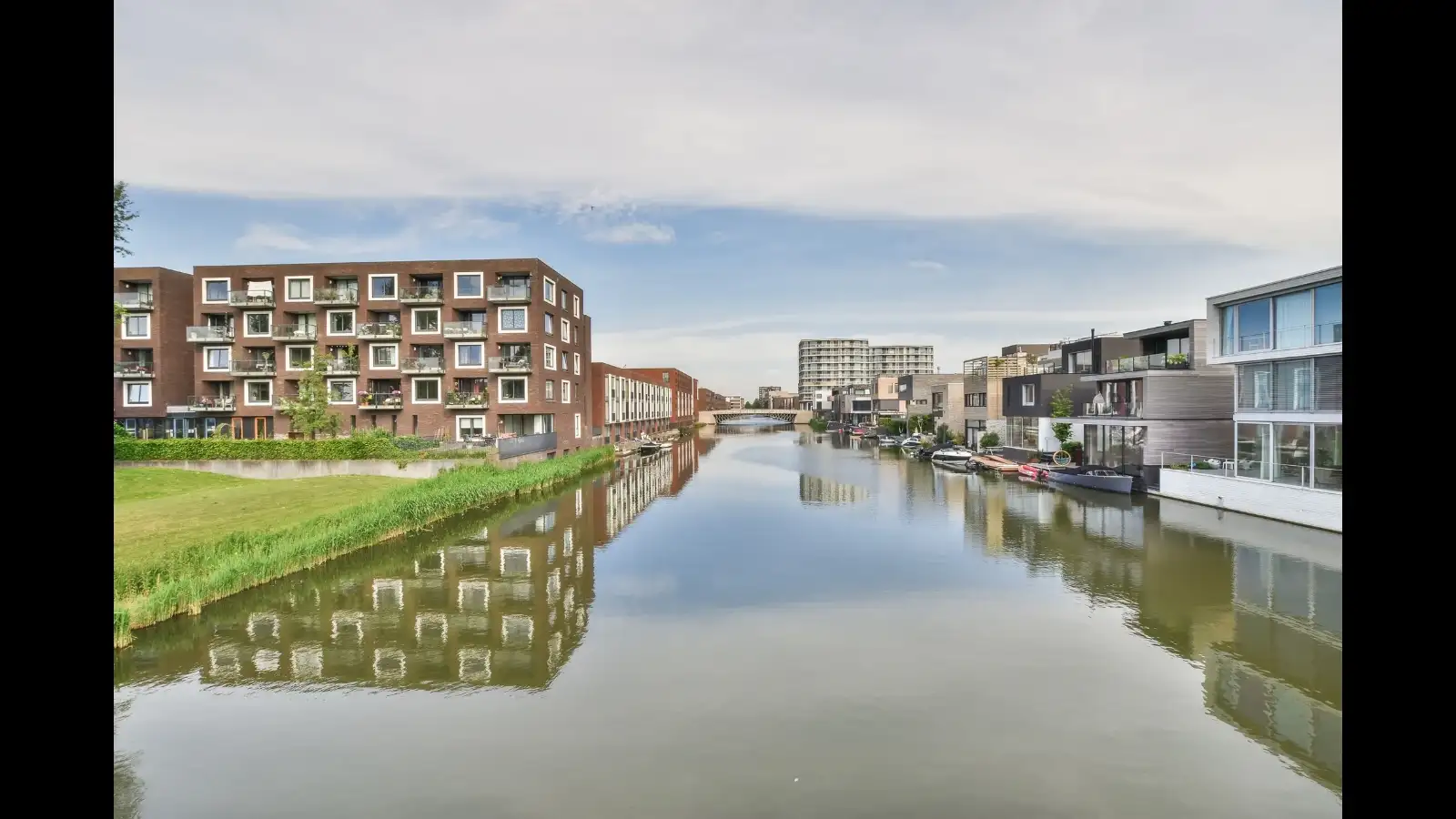
But in some places, the relationship is reversed.
Water becomes part of the basic structure of the neighbourhood. Homes and buildings can sit directly alongside canals or waterways, while paths and bridges connect different sections of the area.
This creates a completely different urban landscape.
Instead of a neighbourhood being organised entirely around roads, water becomes one of the features that helps define how the area is laid out.
Where a settlement develops can influence how people build, travel and organise their surroundings. If waterways are already an important part of the landscape, they can become closely connected with the development of nearby neighbourhoods.
Over time, the relationship between the city and its water can become part of its identity.
What may initially seem unusual to visitors can simply be the normal environment for people who live there.
A conventional city relies heavily on roads and streets to connect different places. In a canal-based neighbourhood, waterways can become another route through the area.
Buildings may face the water, bridges can connect pathways and boats can become part of the visual character of the neighbourhood.
The result is a cityscape where water is not hidden away at the edge of the city. It is right in the middle of everyday life.
Instead of treating a canal as something separate, homes and other buildings can be positioned directly alongside it.
This creates a distinctive relationship between private spaces and the surrounding landscape.
From windows and doorways to pathways and bridges, the water can become a constant part of the visual environment.
For visitors, this can make an ordinary walk feel very different from walking through a conventional residential neighbourhood.
Reflections, boats, bridges and buildings close to the water can create a very different atmosphere.
The pace can feel different too.
Instead of seeing a continuous stream of vehicles, visitors may notice people walking beside the water or boats moving through canals.
That does not necessarily mean the neighbourhood is completely disconnected from normal city life. It simply means water is much more visible within it.
But the relationship between a city and its waterways can be much deeper than appearance.
Water can influence the layout of neighbourhoods, the routes people use and the way buildings are positioned.
That makes these places interesting examples of how cities adapt to their surroundings.
The water is not merely something to photograph. It can become part of the structure of everyday urban life.
Instead of roads being the only routes connecting homes and buildings, canals and waterways can become part of the network that shapes the neighbourhood.
That is what makes these places so fascinating.
The water is not simply next to the city. It is woven into the city itself, changing how people move through, look at and experience the neighbourhood.
And for travellers, that can make an ordinary city street feel like an entirely different world.
When Water Becomes Part of the City
In most cities, water is something that roads, bridges and buildings have to work around.But in some places, the relationship is reversed.
Water becomes part of the basic structure of the neighbourhood. Homes and buildings can sit directly alongside canals or waterways, while paths and bridges connect different sections of the area.
This creates a completely different urban landscape.
Instead of a neighbourhood being organised entirely around roads, water becomes one of the features that helps define how the area is laid out.
Geography Can Shape Urban Life
One reason water becomes so important to a city is geography.Where a settlement develops can influence how people build, travel and organise their surroundings. If waterways are already an important part of the landscape, they can become closely connected with the development of nearby neighbourhoods.
Over time, the relationship between the city and its water can become part of its identity.
What may initially seem unusual to visitors can simply be the normal environment for people who live there.
Why Build Around Canals?
Canals can change the way people move through a neighbourhood.A conventional city relies heavily on roads and streets to connect different places. In a canal-based neighbourhood, waterways can become another route through the area.
Buildings may face the water, bridges can connect pathways and boats can become part of the visual character of the neighbourhood.
The result is a cityscape where water is not hidden away at the edge of the city. It is right in the middle of everyday life.
Homes Can Be Designed Around Water
The most striking feature of these neighbourhoods is often the way buildings interact with the water.Instead of treating a canal as something separate, homes and other buildings can be positioned directly alongside it.
This creates a distinctive relationship between private spaces and the surrounding landscape.
From windows and doorways to pathways and bridges, the water can become a constant part of the visual environment.
For visitors, this can make an ordinary walk feel very different from walking through a conventional residential neighbourhood.
Water Can Change The Way A Place Feels
There is also something visually different about a neighbourhood where water replaces or runs alongside parts of the usual street network.Reflections, boats, bridges and buildings close to the water can create a very different atmosphere.
The pace can feel different too.
Instead of seeing a continuous stream of vehicles, visitors may notice people walking beside the water or boats moving through canals.
That does not necessarily mean the neighbourhood is completely disconnected from normal city life. It simply means water is much more visible within it.
More Than Just A Pretty View
It can be tempting to think of canal neighbourhoods as beautiful destinations created mainly for visitors.But the relationship between a city and its waterways can be much deeper than appearance.
Water can influence the layout of neighbourhoods, the routes people use and the way buildings are positioned.
That makes these places interesting examples of how cities adapt to their surroundings.
The water is not merely something to photograph. It can become part of the structure of everyday urban life.
When Water Becomes The Neighbourhood
Cities built around water challenge the usual idea of what a street should look like.Instead of roads being the only routes connecting homes and buildings, canals and waterways can become part of the network that shapes the neighbourhood.
That is what makes these places so fascinating.
The water is not simply next to the city. It is woven into the city itself, changing how people move through, look at and experience the neighbourhood.
And for travellers, that can make an ordinary city street feel like an entirely different world.
Next Story