
Songkran Festival: A Celebration Of Renewal, Tradition & Joy In Thailand

The Songkran Festival is one of Thailand’s most anticipated and vibrant celebrations, marking the Thai New Year. Taking place from 13th to 15th April, the festival is best known for its joyous water fights that symbolise cleansing, renewal, and the washing away of bad luck. This exuberant event also incorporates traditional customs like temple visits and family reunions. Whether it's splashing water or observing age-old rituals, Songkran captures the heart and spirit of Thai culture, blending modern festivity with deep-rooted traditions. 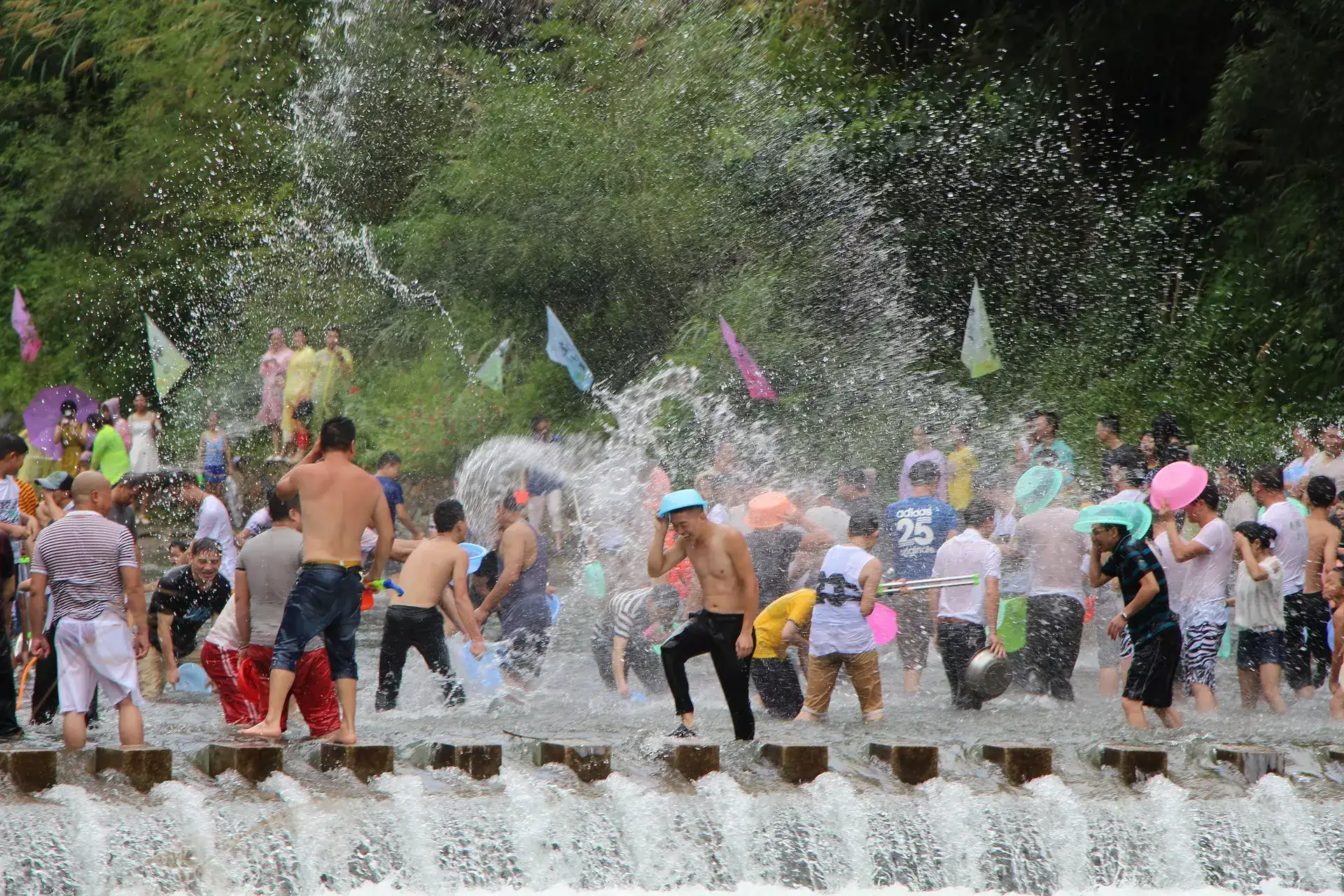 Image Courtesy: Pixabay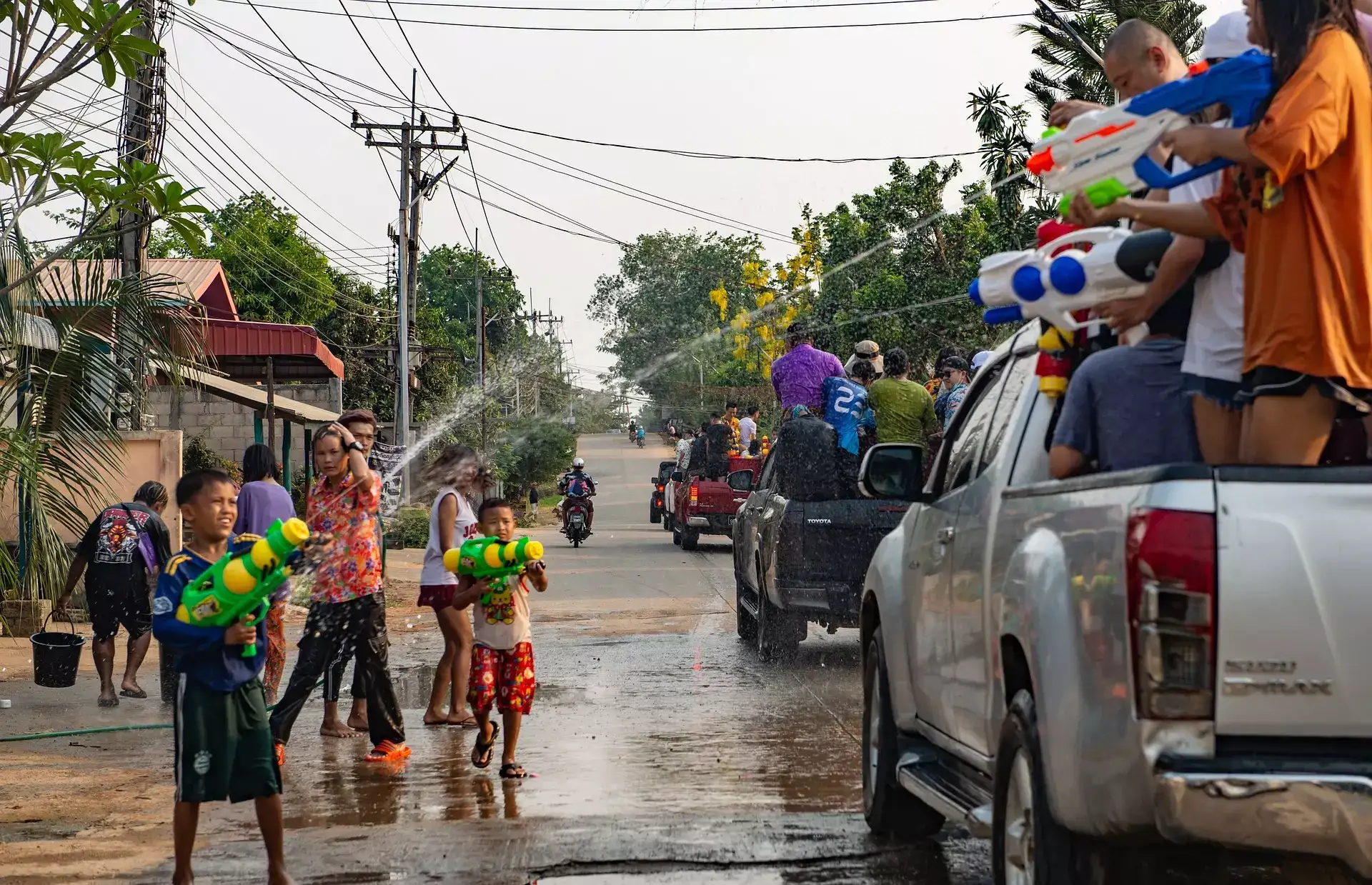
A Celebration of Renewal and Rebirth
Songkran, derived from a Sanskrit word meaning 'astrological passage', signifies the movement of the sun into Aries. Traditionally observed as a spiritual occasion, it focuses on cleansing and renewal. Thais begin the festival by visiting temples, offering food to monks, and performing ceremonial water-pouring over Buddha statues and elders' hands. These acts are believed to bring blessings, good fortune, and purification for the coming year.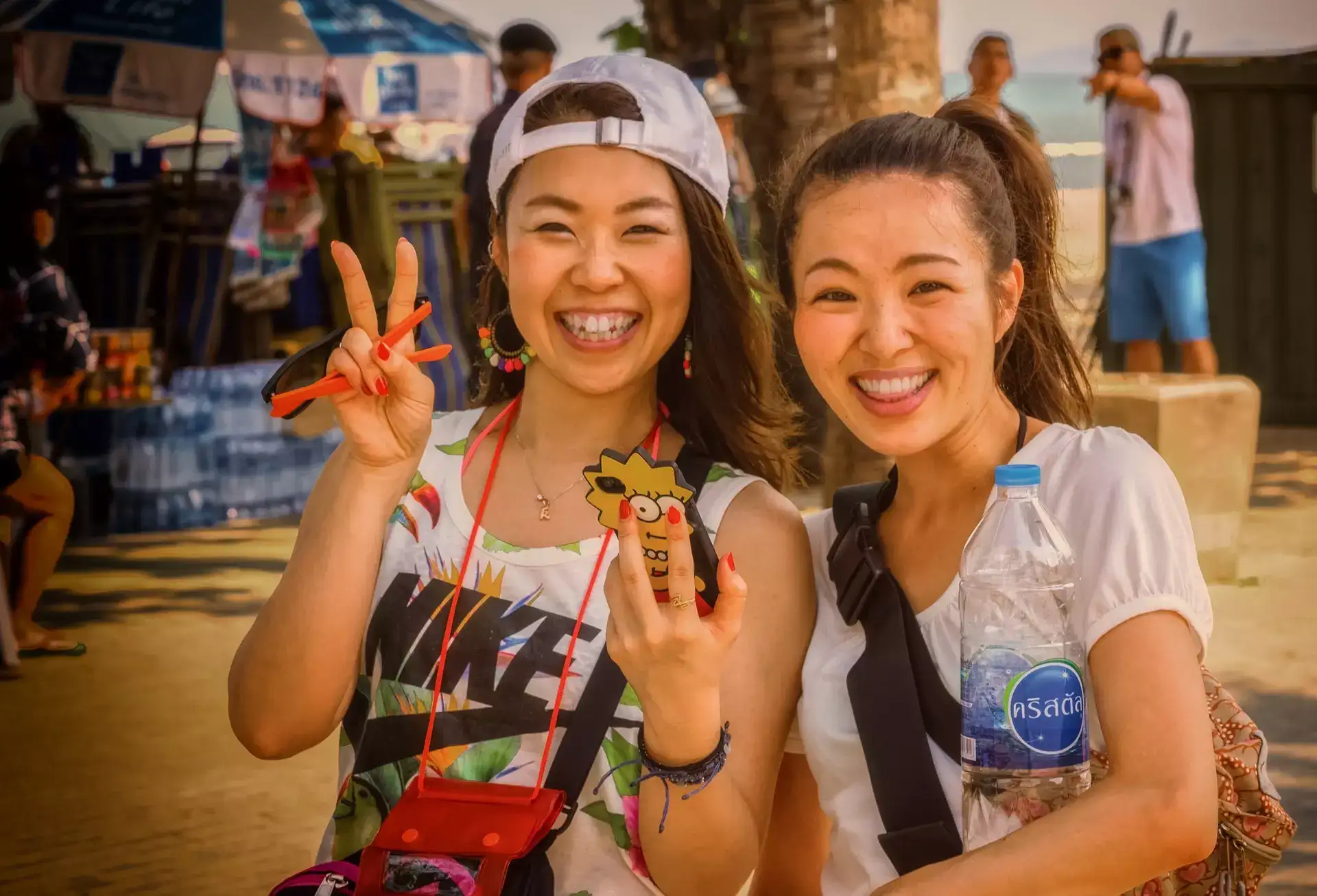 Image Courtesy: Pixabay
The Joy of Water Fights
While the spiritual essence of Songkran remains intact, its water fights have become the festival's hallmark. Streets across Thailand transform into battlegrounds where people, armed with water guns and buckets, engage in friendly soaking battles. From locals to tourists, everyone joins in the fun, creating a lively and inclusive atmosphere. This playful tradition is rooted in the symbolic use of water to cleanse and refresh, aligning with Songkran’s themes of renewal and rebirth.
Cities like Chiang Mai and Bangkok are particularly famous for their Songkran festivities. In Chiang Mai, the Old City area becomes a hub of celebration, while Bangkok’s Khao San Road is renowned for its lively water parties.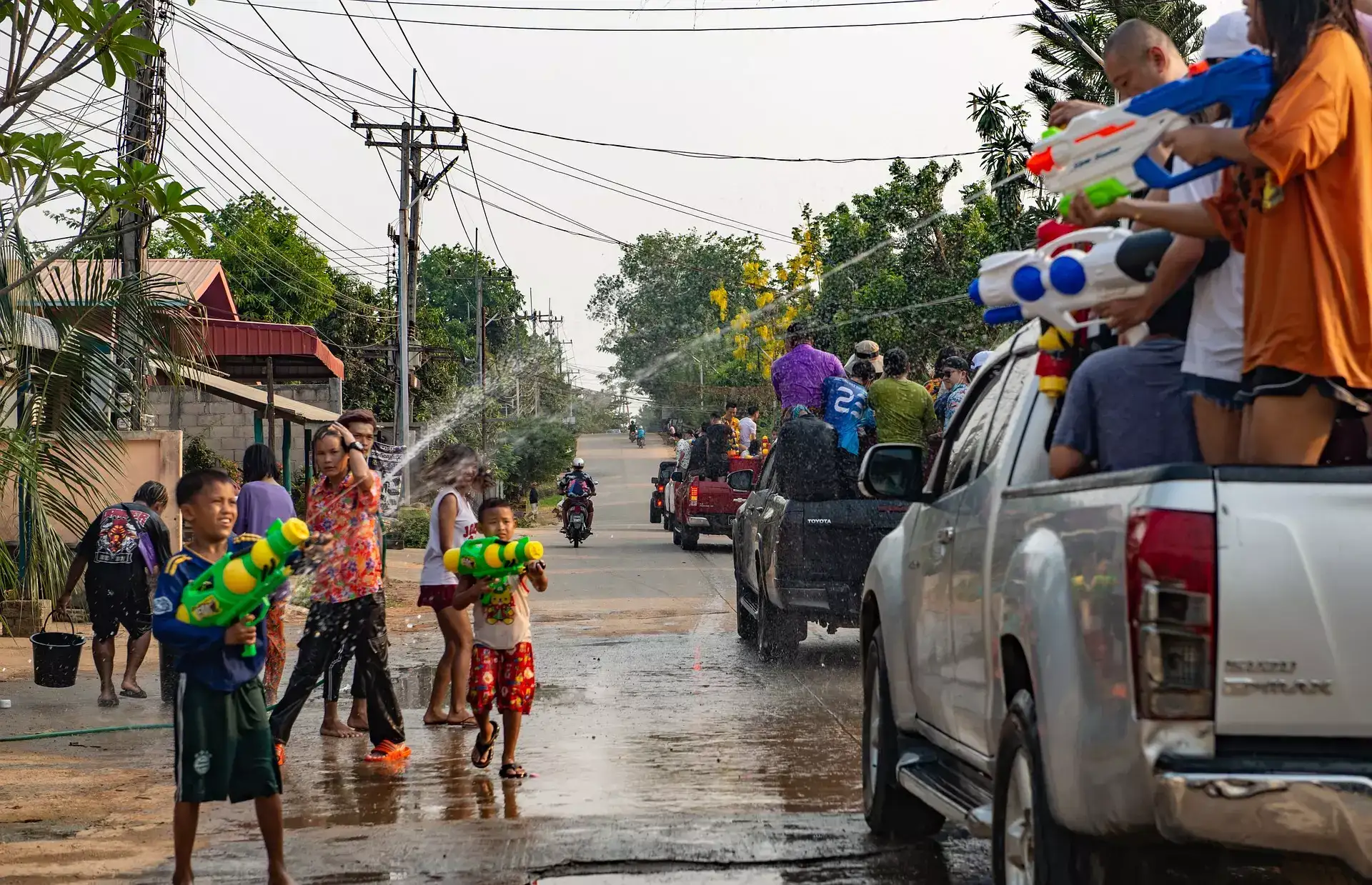 Image Courtesy: Pixabay
Traditional Customs and Rituals
Amid the water fights, Songkran retains its cultural significance through various traditional practices. Cleaning homes before the festival is a widespread custom, symbolising the removal of misfortune. Devotees visit temples to make merit, pray, and pour scented water over Buddha statues. Another cherished ritual involves pouring water onto the hands of elders, a gesture of respect and a way to seek blessings.
Communities also organise beauty pageants, parades, and cultural performances, showcasing Thailand’s rich heritage. The blend of modern and traditional elements makes Songkran a unique celebration that appeals to all generations.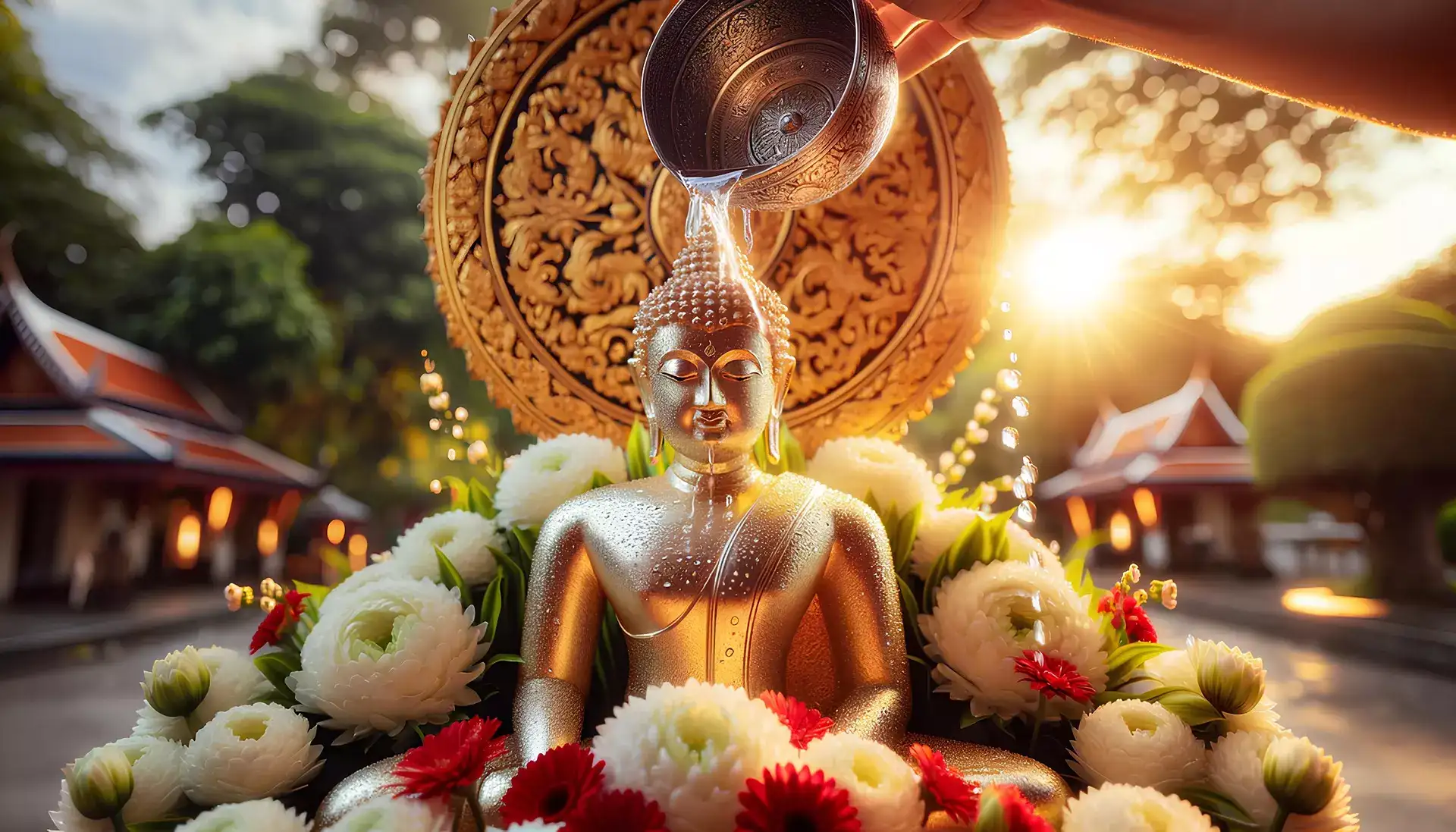 Image Courtesy: Pixabay
Songkran Across Thailand
Though celebrated nationwide, each region in Thailand brings its own flavour to Songkran. In the north, Chiang Mai’s festivities are steeped in tradition, with processions and spiritual ceremonies. The southern city of Phuket hosts lively street parties with a beach vibe, while in central Thailand, Ayutthaya incorporates water fights alongside historical re-enactments.
Smaller towns and rural areas celebrate Songkran with a more intimate and community-focused approach. Regardless of the setting, the festival embodies unity, joy, and the Thai spirit of sanuk, or fun.
The Impact of Tourism
Over the years, Songkran has gained international attention, drawing tourists eager to experience its unique blend of cultural and modern festivities. The influx of visitors during this period boosts local economies but also raises concerns about preserving the festival’s cultural authenticity. Authorities and communities strive to maintain a balance by promoting responsible tourism and encouraging participation in traditional practices.
Tips for Enjoying Songkran
To make the most of Songkran, here are some practical tips
A Celebration of Renewal and Rebirth
Songkran, derived from a Sanskrit word meaning 'astrological passage', signifies the movement of the sun into Aries. Traditionally observed as a spiritual occasion, it focuses on cleansing and renewal. Thais begin the festival by visiting temples, offering food to monks, and performing ceremonial water-pouring over Buddha statues and elders' hands. These acts are believed to bring blessings, good fortune, and purification for the coming year.
The Joy of Water Fights
While the spiritual essence of Songkran remains intact, its water fights have become the festival's hallmark. Streets across Thailand transform into battlegrounds where people, armed with water guns and buckets, engage in friendly soaking battles. From locals to tourists, everyone joins in the fun, creating a lively and inclusive atmosphere. This playful tradition is rooted in the symbolic use of water to cleanse and refresh, aligning with Songkran’s themes of renewal and rebirth.
Cities like Chiang Mai and Bangkok are particularly famous for their Songkran festivities. In Chiang Mai, the Old City area becomes a hub of celebration, while Bangkok’s Khao San Road is renowned for its lively water parties.
Traditional Customs and Rituals
Amid the water fights, Songkran retains its cultural significance through various traditional practices. Cleaning homes before the festival is a widespread custom, symbolising the removal of misfortune. Devotees visit temples to make merit, pray, and pour scented water over Buddha statues. Another cherished ritual involves pouring water onto the hands of elders, a gesture of respect and a way to seek blessings.
You may also like
- Word of the day: Vituperate
- In 1906, San Francisco lost more than 28,000 buildings to earthquake and fire: How the disaster reshaped the city's architecture and changed how America builds for earthquakes
- Why Your Beard Itches So Much and How You Can Finally Stop It
- 7 Things That Make Your Face Look Puffy Every Morning When You Rise
- The God Who Sleeps—and the Age That Cannot
Communities also organise beauty pageants, parades, and cultural performances, showcasing Thailand’s rich heritage. The blend of modern and traditional elements makes Songkran a unique celebration that appeals to all generations.
Songkran Across Thailand
Though celebrated nationwide, each region in Thailand brings its own flavour to Songkran. In the north, Chiang Mai’s festivities are steeped in tradition, with processions and spiritual ceremonies. The southern city of Phuket hosts lively street parties with a beach vibe, while in central Thailand, Ayutthaya incorporates water fights alongside historical re-enactments.
Smaller towns and rural areas celebrate Songkran with a more intimate and community-focused approach. Regardless of the setting, the festival embodies unity, joy, and the Thai spirit of sanuk, or fun.
The Impact of Tourism
Over the years, Songkran has gained international attention, drawing tourists eager to experience its unique blend of cultural and modern festivities. The influx of visitors during this period boosts local economies but also raises concerns about preserving the festival’s cultural authenticity. Authorities and communities strive to maintain a balance by promoting responsible tourism and encouraging participation in traditional practices.
Tips for Enjoying Songkran
To make the most of Songkran, here are some practical tips
- Prepare for Water Battles: Wear waterproof clothing and carry a water-resistant bag for your belongings.
- Respect Traditions: Participate in cultural activities and observe temple etiquettes.
- Be Safe: Avoid splashing water on motorcyclists and follow safety guidelines during festivities.
- Stay Hydrated: Amid the fun, ensure you drink plenty of water to stay hydrated.






Loving Newspoint? Download the app now
