Songkran Festival: A Celebration Of Renewal, Tradition & Joy In Thailand

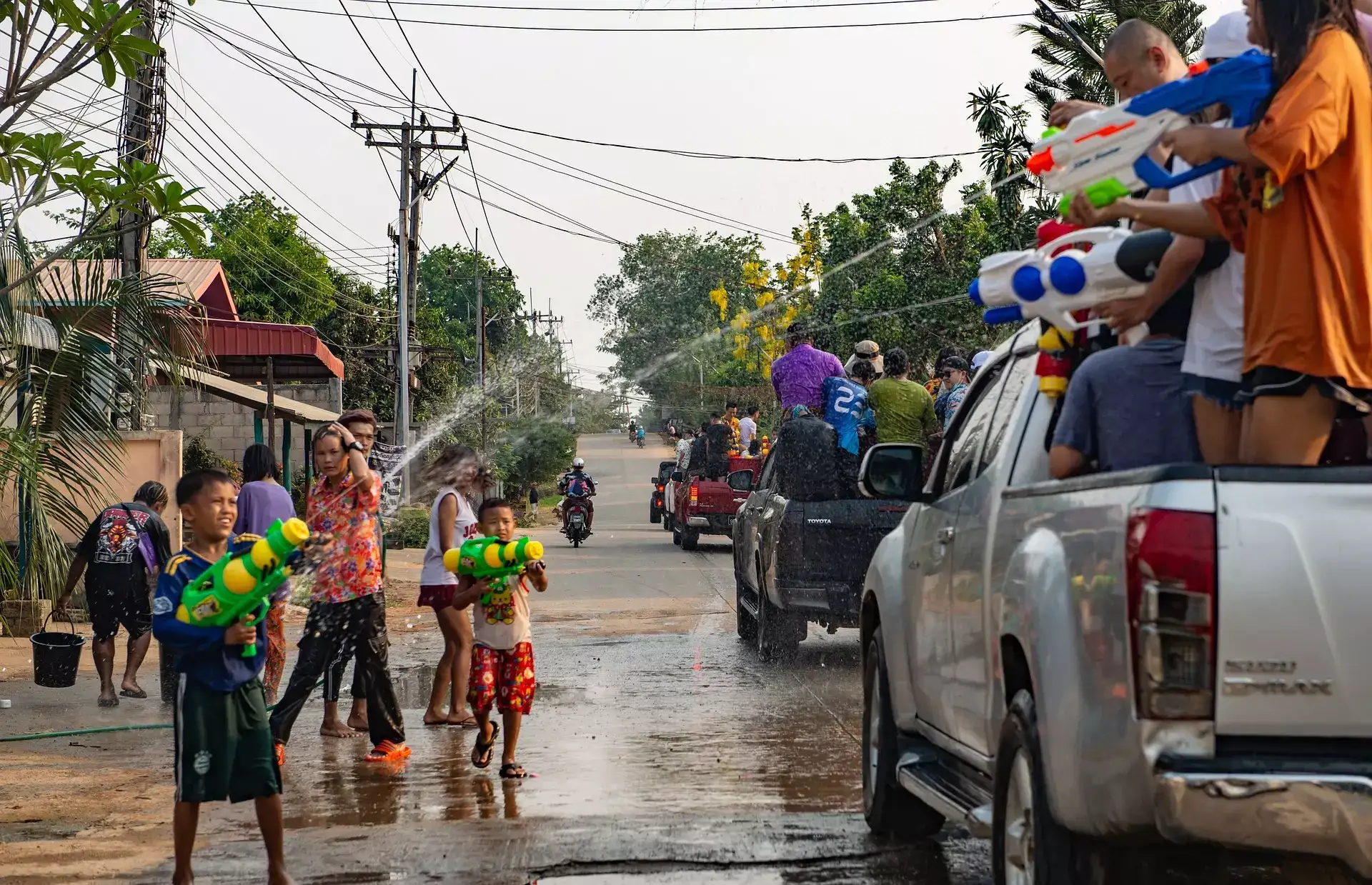
The Songkran Festival is one of Thailand’s most anticipated and vibrant celebrations, marking the Thai New Year. Taking place from 13th to 15th April, the festival is best known for its joyous water fights that symbolise cleansing, renewal, and the washing away of bad luck. This exuberant event also incorporates traditional customs like temple visits and family reunions. Whether it's splashing water or observing age-old rituals, Songkran captures the heart and spirit of Thai culture, blending modern festivity with deep-rooted traditions.
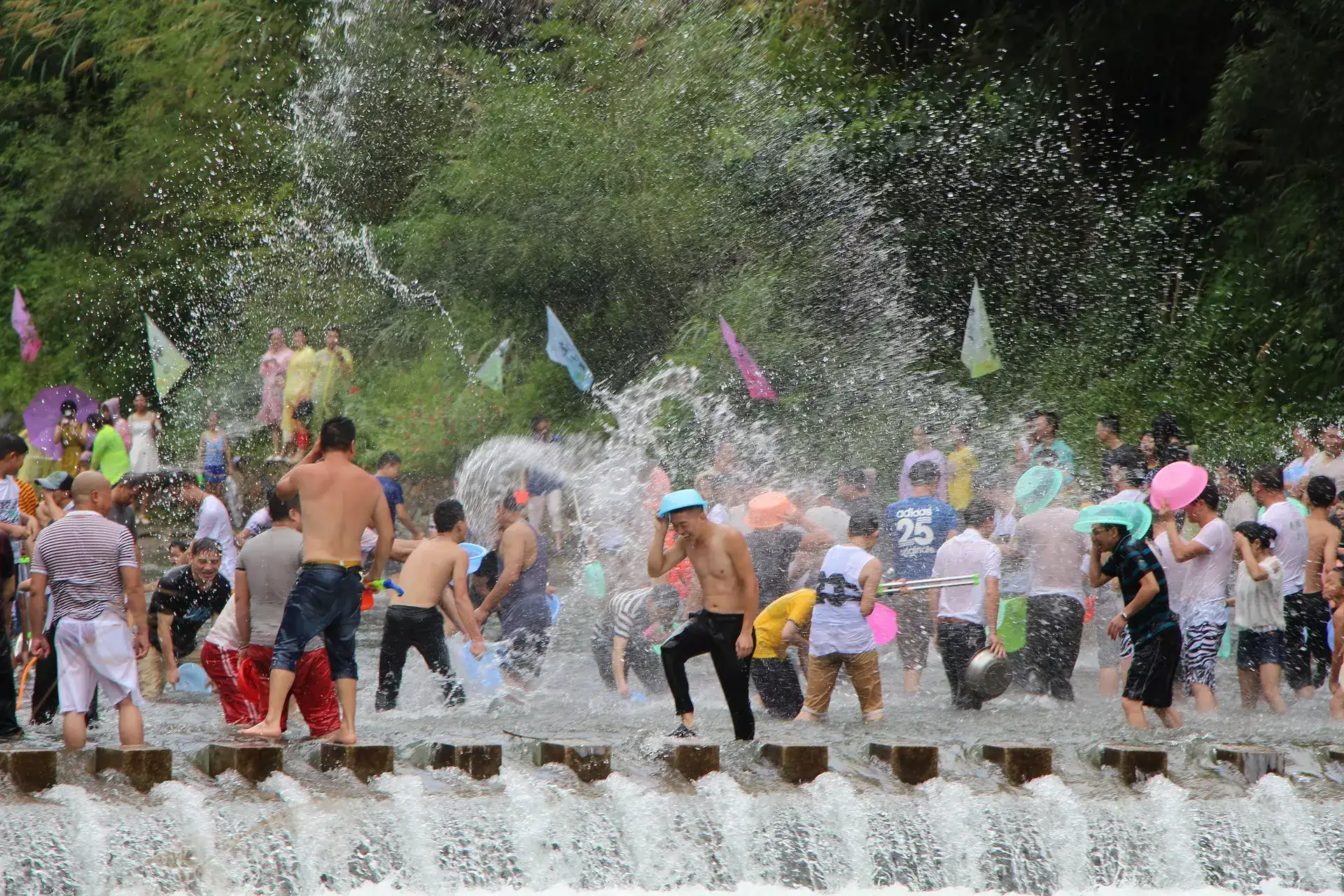
Image Courtesy: Pixabay
A Celebration of Renewal and Rebirth
Songkran, derived from a Sanskrit word meaning 'astrological passage', signifies the movement of the sun into Aries. Traditionally observed as a spiritual occasion, it focuses on cleansing and renewal. Thais begin the festival by visiting temples, offering food to monks, and performing ceremonial water-pouring over Buddha statues and elders' hands. These acts are believed to bring blessings, good fortune, and purification for the coming year.
Image Courtesy: Pixabay
The Joy of Water Fights
While the spiritual essence of Songkran remains intact, its water fights have become the festival's hallmark. Streets across Thailand transform into battlegrounds where people, armed with water guns and buckets, engage in friendly soaking battles. From locals to tourists, everyone joins in the fun, creating a lively and inclusive atmosphere. This playful tradition is rooted in the symbolic use of water to cleanse and refresh, aligning with Songkran’s themes of renewal and rebirth.
Cities like Chiang Mai and Bangkok are particularly famous for their Songkran festivities. In Chiang Mai, the Old City area becomes a hub of celebration, while Bangkok’s Khao San Road is renowned for its lively water parties.
Image Courtesy: Pixabay
Traditional Customs and Rituals
Amid the water fights, Songkran retains its cultural significance through various traditional practices. Cleaning homes before the festival is a widespread custom, symbolising the removal of misfortune. Devotees visit temples to make merit, pray, and pour scented water over Buddha statues. Another cherished ritual involves pouring water onto the hands of elders, a gesture of respect and a way to seek blessings.
A Celebration of Renewal and Rebirth
Songkran, derived from a Sanskrit word meaning 'astrological passage', signifies the movement of the sun into Aries. Traditionally observed as a spiritual occasion, it focuses on cleansing and renewal. Thais begin the festival by visiting temples, offering food to monks, and performing ceremonial water-pouring over Buddha statues and elders' hands. These acts are believed to bring blessings, good fortune, and purification for the coming year.
The Joy of Water Fights
While the spiritual essence of Songkran remains intact, its water fights have become the festival's hallmark. Streets across Thailand transform into battlegrounds where people, armed with water guns and buckets, engage in friendly soaking battles. From locals to tourists, everyone joins in the fun, creating a lively and inclusive atmosphere. This playful tradition is rooted in the symbolic use of water to cleanse and refresh, aligning with Songkran’s themes of renewal and rebirth.
Cities like Chiang Mai and Bangkok are particularly famous for their Songkran festivities. In Chiang Mai, the Old City area becomes a hub of celebration, while Bangkok’s Khao San Road is renowned for its lively water parties.
Traditional Customs and Rituals
Amid the water fights, Songkran retains its cultural significance through various traditional practices. Cleaning homes before the festival is a widespread custom, symbolising the removal of misfortune. Devotees visit temples to make merit, pray, and pour scented water over Buddha statues. Another cherished ritual involves pouring water onto the hands of elders, a gesture of respect and a way to seek blessings.
Next Story