
Standing on salt before bed for better sleep: Does it actually work?


Before you head to your bedroom, step into some Epsom salt. And just like that, your nervous system will transition to rest mode. You will notice your body relaxing and cortisol levels going down. Your serotonin spikes, and you sleep like you haven’t in years.
At least, that’s what this viral salt hack does, according to TikTokers. Creators are obsessed with it. One even claimed that it helped with her anxiety. This ‘stomping on salt’ hack has become the go-to method for better sleep and an energy reset. The trend is gaining popularity among wellness fans.
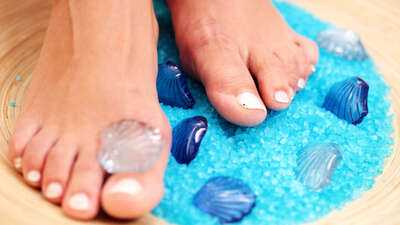
“If you are not standing on salt before bed, you are missing out,” a wellness TikTok user named Tammy Weatherhead said as she poured Epsom salt onto a baking sheet.
The trend is as simple as it sounds. Dump salt on a baking sheet, stomp your feet on it for ten minutes before bed, and let the ‘magic’ happen. According to Weatherhead, this viral hack exfoliates feet, reduces inflammation, and shifts the nervous system into ‘rest mode’, helping you get a soulful night’s sleep. “It feels insane in the best way,” she promises. But what does science say? Does this viral hack have any scientific backing?
What TikTok says vs. what science says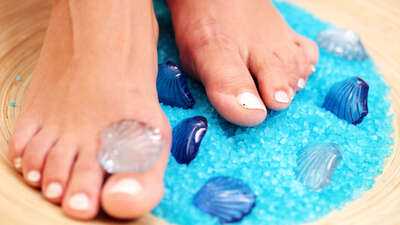 Wellness creators, including Tammy Weatherhead, one of the trend’s biggest evangelists, think stomping the feet on Epsom salt has multiple benefits: exfoliation, reduced inflammation, and lower cortisol while spiking serotonin. It’s compelling to hear. But according to sleep physician Dr Saema Tahir, the salt stomp could be useless at best and harmful at worst. “There’s no evidence that standing on salt calms anything,” she told The Post.
“Research shows high salt exposure activates the sympathetic nervous system, raising heart rate, blood pressure, and cortisol, and promotes inflammation rather than reducing it.”
However, this technique is not for everyone. People with cuts, wounds, cracked skin, diabetic foot conditions, or neuropathy must avoid it at all costs. It can cause irritation and discomfort in such individuals.
According to psychiatrist Dr Bonnie Mitchell, the calming effect people report could be legitimate. But it has nothing to do with salt molecules rewiring your endocrine system.
At least, that’s what this viral salt hack does, according to TikTokers. Creators are obsessed with it. One even claimed that it helped with her anxiety. This ‘stomping on salt’ hack has become the go-to method for better sleep and an energy reset. The trend is gaining popularity among wellness fans.
“If you are not standing on salt before bed, you are missing out,” a wellness TikTok user named Tammy Weatherhead said as she poured Epsom salt onto a baking sheet.
The trend is as simple as it sounds. Dump salt on a baking sheet, stomp your feet on it for ten minutes before bed, and let the ‘magic’ happen. According to Weatherhead, this viral hack exfoliates feet, reduces inflammation, and shifts the nervous system into ‘rest mode’, helping you get a soulful night’s sleep. “It feels insane in the best way,” she promises. But what does science say? Does this viral hack have any scientific backing?
What TikTok says vs. what science says
“Research shows high salt exposure activates the sympathetic nervous system, raising heart rate, blood pressure, and cortisol, and promotes inflammation rather than reducing it.”
“Take the information with a grain of salt,” internist Dr Yoshua Quinones quipped. “There is no solid scientific evidence that standing on Epsom salt can increase serotonin levels or lower cortisol levels,” he told the publication. Quinones added that salt grounding cannot impact hormonal levels, but it can effectively exfoliate the skin. “The sensation can be soothing and may promote relaxation and mindfulness, helping some people unwind before bedtime. Any calming effect is likely due to the sensory experience and the relaxation ritual itself rather than a chemical reaction occurring in the body.”
However, this technique is not for everyone. People with cuts, wounds, cracked skin, diabetic foot conditions, or neuropathy must avoid it at all costs. It can cause irritation and discomfort in such individuals.
According to psychiatrist Dr Bonnie Mitchell, the calming effect people report could be legitimate. But it has nothing to do with salt molecules rewiring your endocrine system.
Next Story