
Stay Green: Essential Tips To Protect Your Plants During Heat Waves

As temperatures soar during the scorching summer months, keeping your home plants healthy and vibrant can become a challenging task. Excessive heat can lead to rapid soil drying, leaf burn, and overall stress for your beloved greenery. However, with some proactive care and a few simple hacks, you can ensure your plants not only survive but thrive despite the intense heat. Here are seven effective strategies to maintain your indoor and outdoor plants in optimal health throughout the hottest days of the year.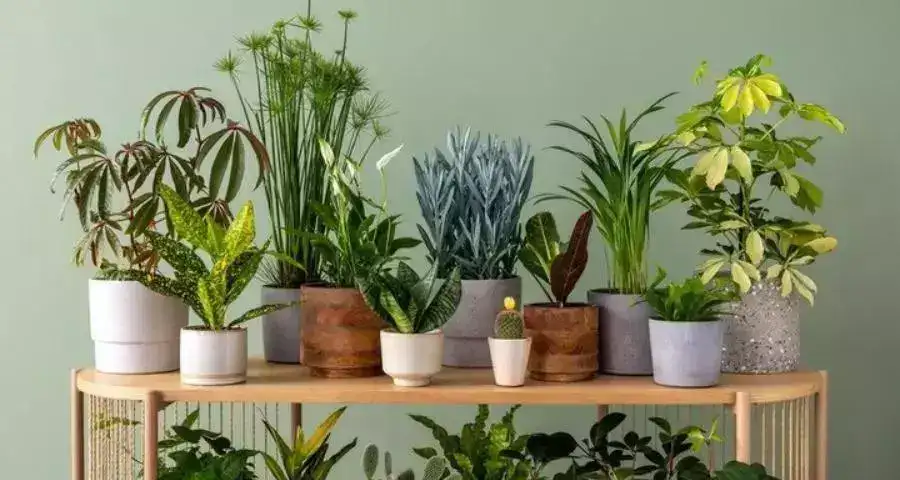
1. Strategic Watering Techniques
Proper watering is crucial during extreme heat. Water your plants early in the morning or late in the evening when temperatures are cooler. This timing allows water to seep into the soil and reach the roots before it evaporates in the midday sun. Deep watering, where you thoroughly soak the soil to a depth of at least 6 inches, ensures that the roots receive sufficient moisture. Additionally, using a drip irrigation system or a soaker hose can help maintain consistent moisture levels while minimising water waste.
2. Mulching for Moisture Retention
Applying a layer of mulch around your plants is an excellent way to retain soil moisture and keep roots cool. Organic mulches like wood chips, straw, or compost not only help conserve water but also enrich the soil as they decompose. Spread a 2-3 inch layer of mulch around the base of your plants, ensuring it does not touch the stems to prevent rot. Mulch acts as an insulating barrier, reducing evaporation and protecting roots from extreme temperature fluctuations.
3. Providing Shade
Protecting your plants from direct sunlight during the hottest parts of the day is essential. Use shade cloths, patio umbrellas, or even old bedsheets to create temporary shade structures. For smaller potted plants, move them to shaded areas like under trees or on a shaded patio. Consider placing taller plants or trellises strategically to provide natural shade for shorter, more delicate plants. Creating a microclimate with dappled sunlight can significantly reduce heat stress.
4. Regulating Humidity Levels
High temperatures can cause indoor air to become very dry, which is stressful for many plants. Increase humidity around your plants by placing water-filled trays or saucers nearby, or by misting the leaves with water. Grouping plants together can also create a humid microenvironment. For an added boost, consider using a humidifier in rooms with particularly dry air. This will help maintain the moisture balance that many plants need to stay healthy.
5. Choosing Heat-Tolerant Plants
When planning your garden or selecting new houseplants, opt for varieties known for their heat tolerance. Succulents, cacti, and Mediterranean herbs like rosemary and lavender thrive in hot conditions. Many native plants are also well-adapted to local climate extremes. Researching and selecting plants that are naturally resilient to high temperatures can reduce the effort needed to keep them healthy during heat waves.
6. Pruning and Deadheading
Regular pruning helps plants focus their energy on new growth and reduces the overall stress on the plant. Remove any dead or yellowing leaves and spent flowers (a process known as deadheading) to encourage healthy growth. This practice not only improves the plant’s appearance but also enhances air circulation, which is vital for preventing fungal diseases that can thrive in hot, humid conditions.
7. Using Reflective Mulches
Reflective mulches, such as white plastic or aluminium foil, can help reflect sunlight away from the soil and reduce the temperature around your plants. These materials are particularly useful for vegetable gardens and flower beds exposed to intense sunlight. By lowering the ground temperature, reflective mulches help prevent soil from drying out too quickly and protect the roots from overheating.
Maintaining healthy and vibrant plants during scorching heat may require a bit more effort, but it is entirely possible with the right strategies. By employing these seven simple hacks—strategic watering, mulching, providing shade, regulating humidity, choosing heat-tolerant plants, pruning, and using reflective mulches—you can ensure your plants not only survive but flourish even in the most intense summer heat. With proper care and attention, your home garden can remain a lush, green sanctuary all season long.
1. Strategic Watering Techniques
Proper watering is crucial during extreme heat. Water your plants early in the morning or late in the evening when temperatures are cooler. This timing allows water to seep into the soil and reach the roots before it evaporates in the midday sun. Deep watering, where you thoroughly soak the soil to a depth of at least 6 inches, ensures that the roots receive sufficient moisture. Additionally, using a drip irrigation system or a soaker hose can help maintain consistent moisture levels while minimising water waste.
2. Mulching for Moisture Retention
Applying a layer of mulch around your plants is an excellent way to retain soil moisture and keep roots cool. Organic mulches like wood chips, straw, or compost not only help conserve water but also enrich the soil as they decompose. Spread a 2-3 inch layer of mulch around the base of your plants, ensuring it does not touch the stems to prevent rot. Mulch acts as an insulating barrier, reducing evaporation and protecting roots from extreme temperature fluctuations.
You may also like
- Can cruise tourism be India's next big growth driver?
- The new luxury home is not about more: It's about living better
- Quote of the day by Vincent van Gogh: “Art is to console those who are broken by life.”
- JJ Valaya's SIDDI was a love letter to heritage, craft and timeless couture
- From Delhi to Odisha: Heavy to extremely heavy rainfall expected across India; IMD warns of flooding and travel disruptions
3. Providing Shade
Protecting your plants from direct sunlight during the hottest parts of the day is essential. Use shade cloths, patio umbrellas, or even old bedsheets to create temporary shade structures. For smaller potted plants, move them to shaded areas like under trees or on a shaded patio. Consider placing taller plants or trellises strategically to provide natural shade for shorter, more delicate plants. Creating a microclimate with dappled sunlight can significantly reduce heat stress.
4. Regulating Humidity Levels
High temperatures can cause indoor air to become very dry, which is stressful for many plants. Increase humidity around your plants by placing water-filled trays or saucers nearby, or by misting the leaves with water. Grouping plants together can also create a humid microenvironment. For an added boost, consider using a humidifier in rooms with particularly dry air. This will help maintain the moisture balance that many plants need to stay healthy.
5. Choosing Heat-Tolerant Plants
When planning your garden or selecting new houseplants, opt for varieties known for their heat tolerance. Succulents, cacti, and Mediterranean herbs like rosemary and lavender thrive in hot conditions. Many native plants are also well-adapted to local climate extremes. Researching and selecting plants that are naturally resilient to high temperatures can reduce the effort needed to keep them healthy during heat waves.
6. Pruning and Deadheading
Regular pruning helps plants focus their energy on new growth and reduces the overall stress on the plant. Remove any dead or yellowing leaves and spent flowers (a process known as deadheading) to encourage healthy growth. This practice not only improves the plant’s appearance but also enhances air circulation, which is vital for preventing fungal diseases that can thrive in hot, humid conditions.
7. Using Reflective Mulches
Reflective mulches, such as white plastic or aluminium foil, can help reflect sunlight away from the soil and reduce the temperature around your plants. These materials are particularly useful for vegetable gardens and flower beds exposed to intense sunlight. By lowering the ground temperature, reflective mulches help prevent soil from drying out too quickly and protect the roots from overheating.
Maintaining healthy and vibrant plants during scorching heat may require a bit more effort, but it is entirely possible with the right strategies. By employing these seven simple hacks—strategic watering, mulching, providing shade, regulating humidity, choosing heat-tolerant plants, pruning, and using reflective mulches—you can ensure your plants not only survive but flourish even in the most intense summer heat. With proper care and attention, your home garden can remain a lush, green sanctuary all season long.






Loving Newspoint? Download the app now
