Stay Hydrated Naturally With These Traditional Foods

Staying hydrated is essential for overall health, but drinking water alone isn’t the only way to maintain fluid balance in the body. Traditional diets across the world have long included naturally hydrating foods that not only provide water but also essential electrolytes, vitamins, and minerals to support hydration. These foods help retain moisture, prevent dehydration, and offer additional health benefits. From juicy fruits and cooling vegetables to age-old herbal drinks, traditional hydration-rich foods have stood the test of time. Incorporating them into your diet can be a delicious and natural way to stay refreshed and energised throughout the day.
Hydration-Packed Fruits From Traditional Diets
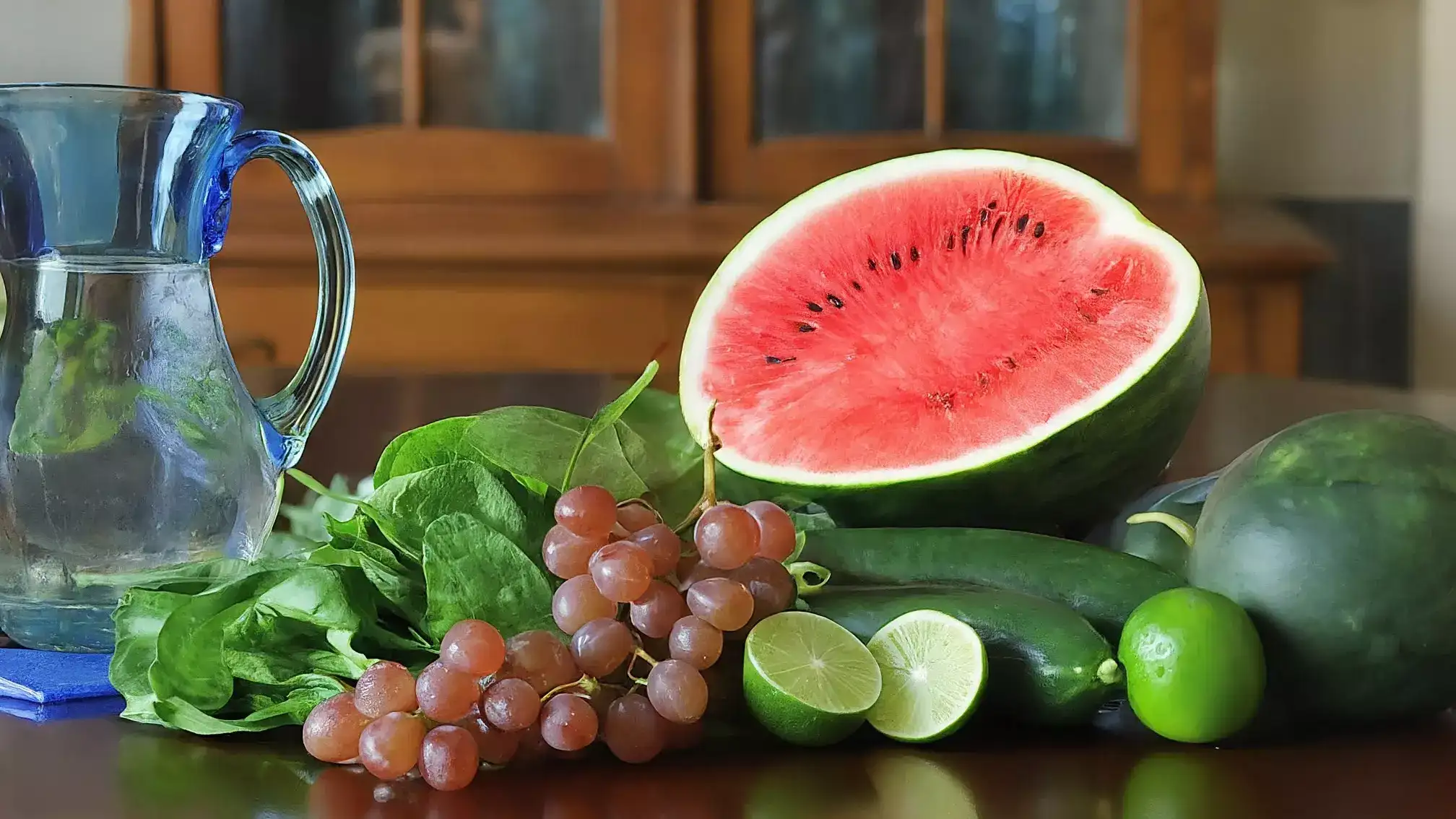
Fruits have always been a major source of hydration in traditional diets. Watermelon, which contains over 90% water, has been a summer staple in many cultures, helping to cool the body and provide natural sugars for energy. Cucumbers, often eaten raw or in salads, are another hydrating option that has been widely used in Asian and Mediterranean diets. Citrus fruits like oranges and lemons are not only refreshing but also rich in electrolytes such as potassium, which helps regulate hydration levels. Coconut, consumed in tropical regions for centuries, provides coconut water—a natural electrolyte-rich drink perfect for rehydration.
Cooling Vegetables For Hydration And Nutrition
Traditional diets often emphasise the consumption of hydrating vegetables to maintain body temperature and prevent dehydration. Leafy greens such as spinach and lettuce contain high amounts of water and are commonly used in summer meals. Tomatoes, found in Mediterranean and Indian diets, are filled with water and antioxidants that support hydration and skin health. Bottle gourd, widely used in Indian cuisine, is another excellent hydrating vegetable often cooked in curries or made into a refreshing juice. Radishes, commonly included in Asian and European diets, have high water content and provide a crisp, cooling effect when eaten raw.
Fermented Drinks And Herbal Infusions
Fermented beverages have been part of traditional diets for centuries, not only for their probiotic benefits but also for hydration. Buttermilk, known as 'chaas' in India, is a cooling drink made from yoghurt and water, often spiced with cumin and mint to aid digestion and hydration. Kvass, a fermented drink from Eastern Europe, is another example of a traditional beverage that keeps the body refreshed. Herbal teas made from hibiscus, chamomile, and mint have been used across various cultures to provide hydration while offering additional health benefits such as improved digestion and relaxation.
Traditional Soups And Hydrating Broths
Soups and broths have long been a key part of traditional diets, especially in regions with hot climates. Bone broths, commonly consumed in Asian and Middle Eastern cuisines, not only provide hydration but also essential minerals that help balance fluids in the body. Light vegetable soups made with hydrating ingredients like tomatoes, cucumbers, and gourds are a popular choice in many cultures. Cold soups such as Spanish gazpacho, made with tomatoes and cucumbers, are a great way to stay hydrated while enjoying a delicious meal. These soups help maintain hydration while providing vital nutrients.
Hydration-Packed Fruits From Traditional Diets
Fruits have always been a major source of hydration in traditional diets. Watermelon, which contains over 90% water, has been a summer staple in many cultures, helping to cool the body and provide natural sugars for energy. Cucumbers, often eaten raw or in salads, are another hydrating option that has been widely used in Asian and Mediterranean diets. Citrus fruits like oranges and lemons are not only refreshing but also rich in electrolytes such as potassium, which helps regulate hydration levels. Coconut, consumed in tropical regions for centuries, provides coconut water—a natural electrolyte-rich drink perfect for rehydration.
Cooling Vegetables For Hydration And Nutrition
Traditional diets often emphasise the consumption of hydrating vegetables to maintain body temperature and prevent dehydration. Leafy greens such as spinach and lettuce contain high amounts of water and are commonly used in summer meals. Tomatoes, found in Mediterranean and Indian diets, are filled with water and antioxidants that support hydration and skin health. Bottle gourd, widely used in Indian cuisine, is another excellent hydrating vegetable often cooked in curries or made into a refreshing juice. Radishes, commonly included in Asian and European diets, have high water content and provide a crisp, cooling effect when eaten raw.
Fermented Drinks And Herbal Infusions
Fermented beverages have been part of traditional diets for centuries, not only for their probiotic benefits but also for hydration. Buttermilk, known as 'chaas' in India, is a cooling drink made from yoghurt and water, often spiced with cumin and mint to aid digestion and hydration. Kvass, a fermented drink from Eastern Europe, is another example of a traditional beverage that keeps the body refreshed. Herbal teas made from hibiscus, chamomile, and mint have been used across various cultures to provide hydration while offering additional health benefits such as improved digestion and relaxation.
Traditional Soups And Hydrating Broths
Soups and broths have long been a key part of traditional diets, especially in regions with hot climates. Bone broths, commonly consumed in Asian and Middle Eastern cuisines, not only provide hydration but also essential minerals that help balance fluids in the body. Light vegetable soups made with hydrating ingredients like tomatoes, cucumbers, and gourds are a popular choice in many cultures. Cold soups such as Spanish gazpacho, made with tomatoes and cucumbers, are a great way to stay hydrated while enjoying a delicious meal. These soups help maintain hydration while providing vital nutrients.
Next Story