
Strange Sea Rules Sailors Followed: No Whistling, No Bananas and Other Maritime Superstitions Explained

The ocean has always been unpredictable, and long before modern technology, survival depended on instinct, experience, and belief. These strange sea rules sailors followed were not just quirky traditions but deeply rooted practices shaped by danger, isolation, and uncertainty. From avoiding whistling on deck to banning bananas on board, these maritime superstitions reveal how sailors tried to stay safe in a world they could not control.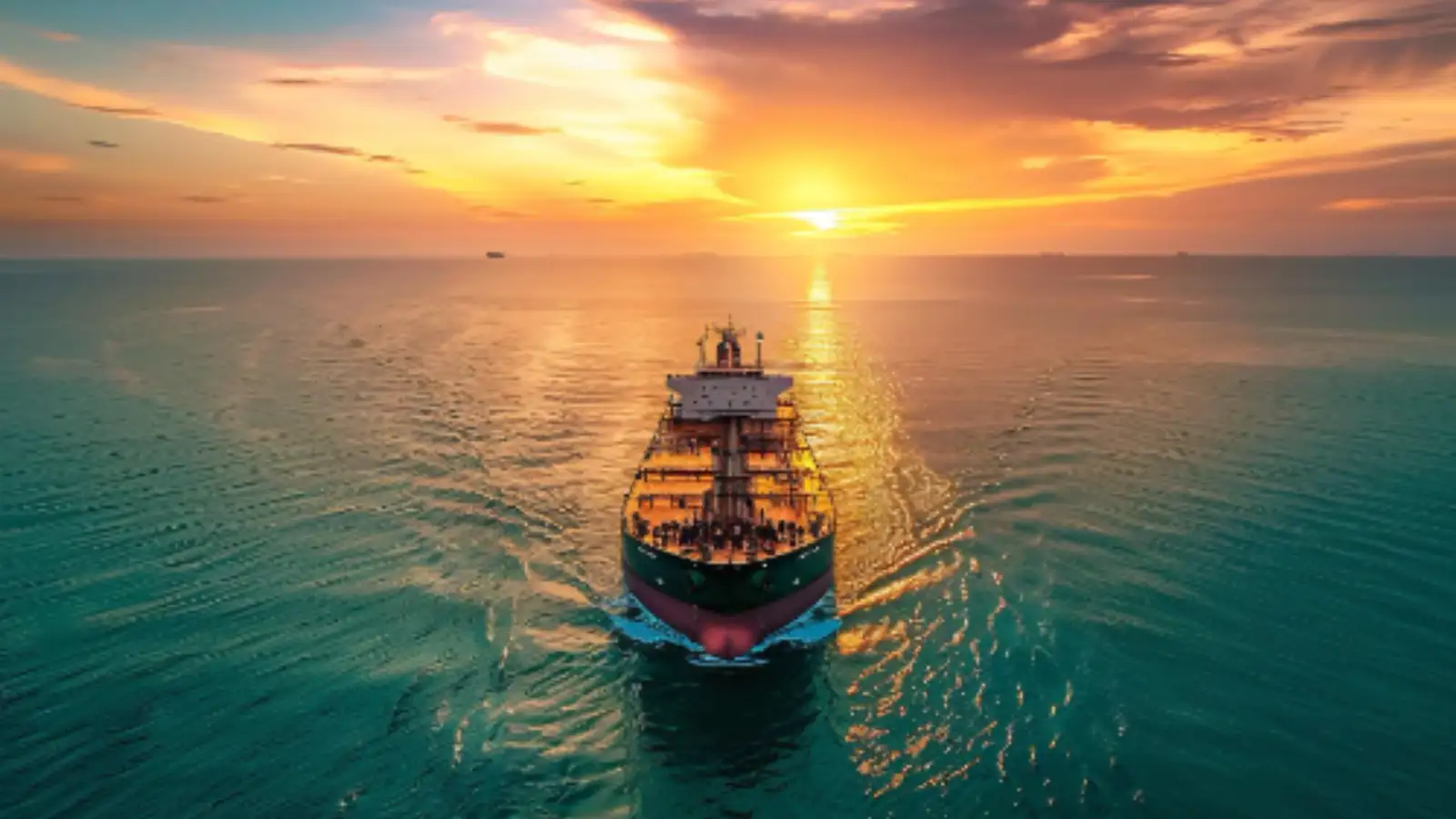
Why ‘No Whistling’ Was a Strict Rule at Sea
One of the most common beliefs among sailors was that whistling on a ship could bring bad weather. It was widely feared that a simple whistle might “call” a storm, putting the entire crew at risk.
However, this rule also had a practical side. On many ships, whistling was used by officers to give commands. Unnecessary whistling could confuse crew members and disrupt coordination during critical situations. What appeared to be superstition may actually have helped maintain discipline and safety on board.
Why Bananas Were Considered Bad Luck on Ships
The idea that bananas bring bad luck at sea is one of the strangest maritime beliefs—and one that still survives in some fishing communities.
This belief dates back to early trading voyages when ships carrying bananas often reported unusual problems. Over time, these incidents turned into a widely accepted superstition.
Some practical reasons behind this include:
These risks likely contributed to the belief that bananas were unsafe for sea travel.
Other Unusual Maritime Superstitions
Sailors followed several other curious rules, shaped by both fear and experience.
It was considered unlucky to say certain words like “pig” or “rabbit” on board, possibly because these animals could cause chaos if they escaped during a voyage. Many sailors also avoided setting sail on a Friday, linking it to religious beliefs and bad luck.
Another interesting contradiction was the role of women at sea. While women on ships were often seen as a sign of misfortune, carved female figures placed on the front of ships were believed to calm the sea and protect the vessel.
The Real Reason Behind These Sea Rules
Although these beliefs may seem irrational today, they were rooted in the harsh realities of life at sea. Sailors had limited control over their environment, and superstitions helped them make sense of unpredictable situations.
In many cases, these rules were based on real observations and practical concerns. Over time, they evolved into traditions that offered comfort, discipline, and a sense of control in dangerous conditions.
The strange sea rules sailors followed may sound unusual today, but they reflect a time when survival depended on both knowledge and belief. These traditions highlight how humans adapt to uncertainty, blending logic with superstition. Even in the modern world, the mystery of the sea continues to keep these fascinating beliefs alive.
Why ‘No Whistling’ Was a Strict Rule at Sea
One of the most common beliefs among sailors was that whistling on a ship could bring bad weather. It was widely feared that a simple whistle might “call” a storm, putting the entire crew at risk.
However, this rule also had a practical side. On many ships, whistling was used by officers to give commands. Unnecessary whistling could confuse crew members and disrupt coordination during critical situations. What appeared to be superstition may actually have helped maintain discipline and safety on board.
Why Bananas Were Considered Bad Luck on Ships
The idea that bananas bring bad luck at sea is one of the strangest maritime beliefs—and one that still survives in some fishing communities.
This belief dates back to early trading voyages when ships carrying bananas often reported unusual problems. Over time, these incidents turned into a widely accepted superstition.
You may also like
- Millions of drivers hit with car tax increase from next week - see new rates
- Effective Morning Yoga Techniques to Relieve Constipation
- Effective Remedies to Combat Acidity: Insights from a Gastroenterologist
- Vietnam becomes top destination for Indians as Middle East tensions rise
- 5 Amazing Reasons To Add Coriander Tea To Your Routine
Some practical reasons behind this include:
- Bananas ripen quickly and can spoil other cargo
- They release gases that accelerate decay
- Insects and even venomous spiders were sometimes found hiding in banana bunches
These risks likely contributed to the belief that bananas were unsafe for sea travel.
Other Unusual Maritime Superstitions
Sailors followed several other curious rules, shaped by both fear and experience.
It was considered unlucky to say certain words like “pig” or “rabbit” on board, possibly because these animals could cause chaos if they escaped during a voyage. Many sailors also avoided setting sail on a Friday, linking it to religious beliefs and bad luck.
Another interesting contradiction was the role of women at sea. While women on ships were often seen as a sign of misfortune, carved female figures placed on the front of ships were believed to calm the sea and protect the vessel.
The Real Reason Behind These Sea Rules
Although these beliefs may seem irrational today, they were rooted in the harsh realities of life at sea. Sailors had limited control over their environment, and superstitions helped them make sense of unpredictable situations.
In many cases, these rules were based on real observations and practical concerns. Over time, they evolved into traditions that offered comfort, discipline, and a sense of control in dangerous conditions.
The strange sea rules sailors followed may sound unusual today, but they reflect a time when survival depended on both knowledge and belief. These traditions highlight how humans adapt to uncertainty, blending logic with superstition. Even in the modern world, the mystery of the sea continues to keep these fascinating beliefs alive.






More from our partners


Loving Newspoint? Download the app now
