
Sundarbans Tiger: The Mysterious Royal Bengal Tiger That Still Haunts the Mangrove Forests

Deep inside the dense mangrove forests of the Sundarbans, where muddy waterways meet the Bay of Bengal, lives one of India's most mysterious predators – the Sundarbans tiger . Unlike other big cats that prefer dry forests and open grasslands, this unique population of Royal Bengal Tigers has adapted to an extraordinary life surrounded by water, shifting tides and thick vegetation. Known for its remarkable swimming abilities and elusive nature, the Sundarbans tiger has fascinated wildlife researchers and frightened local communities for generations. But what makes this tiger so different, and why does it continue to inspire stories of fear, faith and mystery?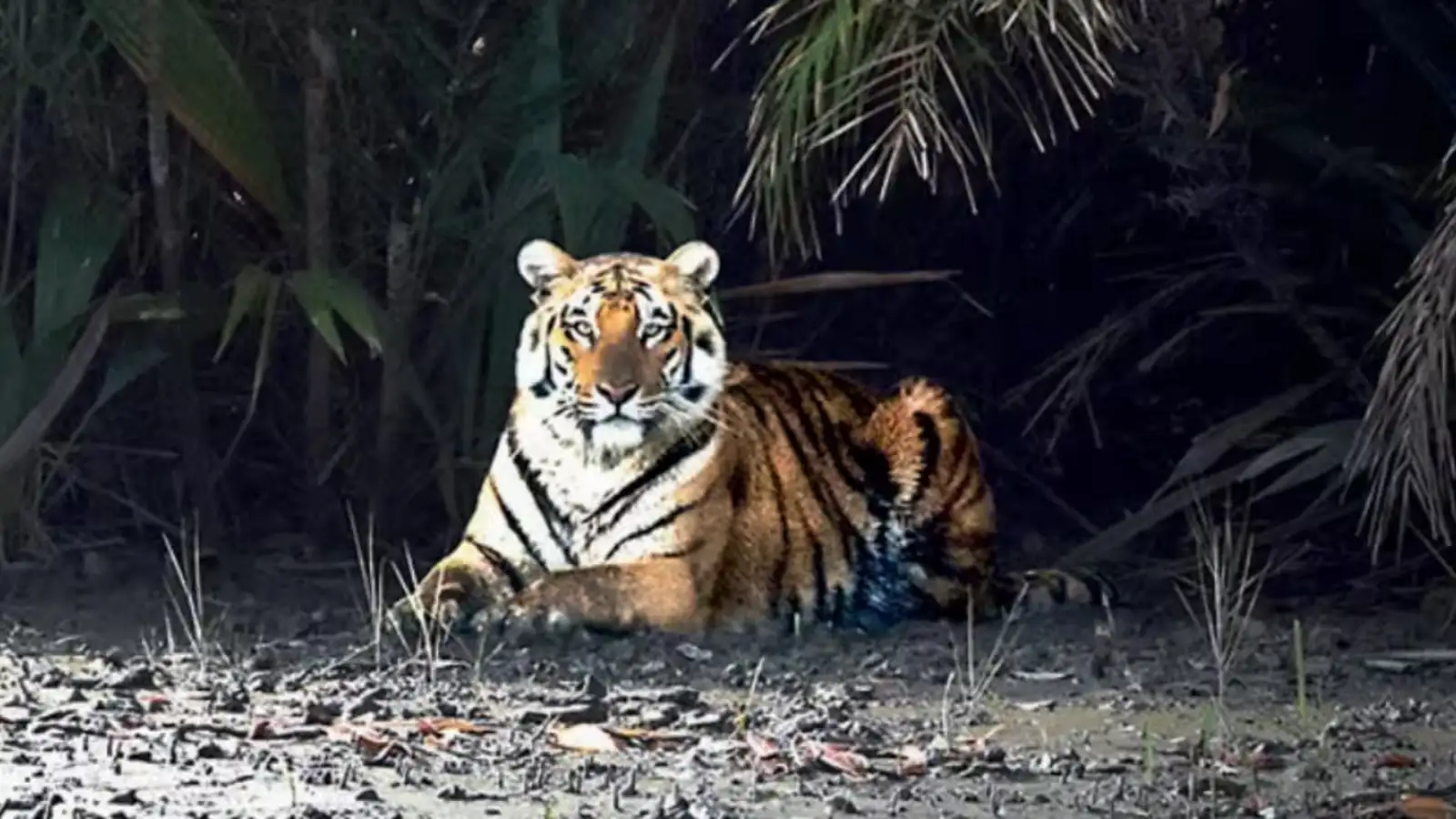
This challenging environment is home to a distinctive population of Royal Bengal Tigers that has adapted to life in a semi-aquatic habitat. Unlike most tigers, which generally avoid large water bodies unless necessary, Sundarbans tigers are excellent swimmers. They can cross wide rivers, navigate tidal channels and move through crocodile-inhabited waters with surprising ease.
The dense mangrove vegetation also makes them extremely difficult to spot. Their surroundings are filled with exposed roots, muddy ground and thick bushes that provide excellent cover. A tiger can move silently through this landscape and disappear before anyone gets a clear glimpse of it.
For fishermen, honey collectors and forest workers, spotting a tiger is often considered a rare and frightening experience. Sometimes, the only indication of its presence is a set of fresh pugmarks left behind in the soft mud.
There are several possible explanations for this unusual behaviour, although researchers have not established one definitive reason.
One theory suggests that the high salinity of the Sundarbans environment may influence the animals' health and behaviour. Researchers have also explored whether prolonged exposure to saline water affects their kidneys and other bodily functions.
Another possible factor is the limited availability of natural prey. Cyclones, flooding and environmental changes can affect populations of deer and wild boar, potentially making food harder to find. When their natural habitat and food sources are disrupted, encounters with humans may become more frequent.
For people who depend on the forest for their livelihood, these dangers are part of everyday life. Honey collectors, fishermen and woodcutters often enter isolated forest areas knowing that they are stepping into the natural territory of one of the world's most powerful predators.
As discussed in Tiger Swimming & Saltwater Behavior: WWF-India – "The enigma of Sundarbans tiger", the tiger's relationship with its unusual habitat remains an important subject of interest for wildlife researchers.
One of the most important figures in local folklore is Bonbibi, a forest goddess believed to protect people who depend on the mangroves for their livelihood. Before venturing into the deeper parts of the forest, many villagers offer prayers at small shrines dedicated to her.
According to local legends, Bonbibi protects humans from Dokkhin Rai , a powerful supernatural figure who can take the form of a giant tiger. This traditional belief reflects the close relationship between the people of the Sundarbans, their natural surroundings and the dangers they face.
These stories are more than just folklore. They represent generations of cultural traditions developed by communities that have learned to respect the unpredictable nature of the forest.
One of the most unusual traditional practices involved wearing masks featuring human faces on the back of the head. The idea was to make a tiger believe that the person was looking behind, potentially discouraging an attack from the rear.
This practice became particularly well known among forest workers because tigers are ambush predators that often approach their targets from behind or from concealed positions.
Although such masks cannot guarantee protection against an attack, they demonstrate how local communities have adapted their behaviour to survive in an environment where human encounters with wildlife can be dangerous.
The practice also highlights the extraordinary challenges faced by people whose livelihoods depend on entering the mangrove forests regularly.
Climate Change Is Bringing Tigers and Humans Closer
The Sundarbans ecosystem is facing increasing environmental pressure. Rising sea levels, coastal erosion, stronger storms and changing weather patterns are affecting the fragile mangrove landscape.
Cyclones and tidal flooding can destroy vegetation, damage habitats and alter the availability of food for wildlife. As parts of the forest disappear or become unsuitable for certain species, both animals and humans face growing challenges.
The shrinking habitat also increases the possibility of encounters between tigers and people living around the forest.
Conservation programmes, forest patrols, village protection measures and electric fencing in vulnerable areas are among the efforts used to reduce human-wildlife conflict. However, protecting this unique ecosystem requires more than preventing tiger attacks. It also involves preserving mangroves, maintaining wildlife corridors and supporting the communities that depend on the forest.
For local communities, however, the tiger is not simply a symbol of wilderness or wildlife tourism. It is a powerful presence that influences their traditions, daily routines and understanding of survival.
Even today, when the evening mist settles over the narrow creeks and the mangrove forest grows quiet, the possibility of a tiger lurking nearby is never far from people's minds. In the Sundarbans, the Royal Bengal Tiger is not just an animal living in the forest. It is an enduring symbol of nature's power, mystery and unpredictability.
A Tiger That Disappears Into Water
The Sundarbans is one of the world's largest mangrove forest regions, spread across parts of India and Bangladesh. Formed by the Ganges, Brahmaputra and Meghna river systems, this vast landscape is filled with narrow creeks, muddy islands, dense mangroves and constantly changing waterways.This challenging environment is home to a distinctive population of Royal Bengal Tigers that has adapted to life in a semi-aquatic habitat. Unlike most tigers, which generally avoid large water bodies unless necessary, Sundarbans tigers are excellent swimmers. They can cross wide rivers, navigate tidal channels and move through crocodile-inhabited waters with surprising ease.
The dense mangrove vegetation also makes them extremely difficult to spot. Their surroundings are filled with exposed roots, muddy ground and thick bushes that provide excellent cover. A tiger can move silently through this landscape and disappear before anyone gets a clear glimpse of it.
For fishermen, honey collectors and forest workers, spotting a tiger is often considered a rare and frightening experience. Sometimes, the only indication of its presence is a set of fresh pugmarks left behind in the soft mud.
Why Are Sundarbans Tigers Feared by Local Communities?
Tigers are powerful predators, but the Sundarbans population has developed a particularly fearsome reputation because of reported encounters with humans. Unlike many other tiger habitats, where big cats generally avoid human settlements, interactions between people and tigers have historically been a serious concern in this region.There are several possible explanations for this unusual behaviour, although researchers have not established one definitive reason.
One theory suggests that the high salinity of the Sundarbans environment may influence the animals' health and behaviour. Researchers have also explored whether prolonged exposure to saline water affects their kidneys and other bodily functions.
Another possible factor is the limited availability of natural prey. Cyclones, flooding and environmental changes can affect populations of deer and wild boar, potentially making food harder to find. When their natural habitat and food sources are disrupted, encounters with humans may become more frequent.
For people who depend on the forest for their livelihood, these dangers are part of everyday life. Honey collectors, fishermen and woodcutters often enter isolated forest areas knowing that they are stepping into the natural territory of one of the world's most powerful predators.
As discussed in Tiger Swimming & Saltwater Behavior: WWF-India – "The enigma of Sundarbans tiger", the tiger's relationship with its unusual habitat remains an important subject of interest for wildlife researchers.
Bonbibi: The Goddess Who Protects People From Tigers
Living alongside a predator that can appear without warning has shaped the beliefs and traditions of Sundarbans communities. For generations, people entering the forest have turned to faith for protection.One of the most important figures in local folklore is Bonbibi, a forest goddess believed to protect people who depend on the mangroves for their livelihood. Before venturing into the deeper parts of the forest, many villagers offer prayers at small shrines dedicated to her.
According to local legends, Bonbibi protects humans from Dokkhin Rai , a powerful supernatural figure who can take the form of a giant tiger. This traditional belief reflects the close relationship between the people of the Sundarbans, their natural surroundings and the dangers they face.
These stories are more than just folklore. They represent generations of cultural traditions developed by communities that have learned to respect the unpredictable nature of the forest.
The Unusual Human Masks Used to Avoid Tiger Attacks
Along with religious beliefs, Sundarbans residents have developed several practical methods to reduce the risk of tiger attacks.One of the most unusual traditional practices involved wearing masks featuring human faces on the back of the head. The idea was to make a tiger believe that the person was looking behind, potentially discouraging an attack from the rear.
This practice became particularly well known among forest workers because tigers are ambush predators that often approach their targets from behind or from concealed positions.
Although such masks cannot guarantee protection against an attack, they demonstrate how local communities have adapted their behaviour to survive in an environment where human encounters with wildlife can be dangerous.
You may also like
- 7 Simple Ways to Make Your Shoes Last Longer
- 7 Simple Ways to Keep Clothes Smelling Fresh All Day
- Kolkata's winter is sorted. is yours?
- Why Do You Crave Sweets After Eating? 4 Reasons Behind Dessert Cravings and How to Manage Them
- Geyser Safety Tips 2026: 5 Warning Signs Your Old Water Heater May Need Repair or Replacement
The practice also highlights the extraordinary challenges faced by people whose livelihoods depend on entering the mangrove forests regularly.
Climate Change Is Bringing Tigers and Humans Closer
The Sundarbans ecosystem is facing increasing environmental pressure. Rising sea levels, coastal erosion, stronger storms and changing weather patterns are affecting the fragile mangrove landscape.
Cyclones and tidal flooding can destroy vegetation, damage habitats and alter the availability of food for wildlife. As parts of the forest disappear or become unsuitable for certain species, both animals and humans face growing challenges.
The shrinking habitat also increases the possibility of encounters between tigers and people living around the forest.
Conservation programmes, forest patrols, village protection measures and electric fencing in vulnerable areas are among the efforts used to reduce human-wildlife conflict. However, protecting this unique ecosystem requires more than preventing tiger attacks. It also involves preserving mangroves, maintaining wildlife corridors and supporting the communities that depend on the forest.
The Mystery of the Sundarbans Tiger Continues
Despite advances in wildlife research and conservation, the Sundarbans tiger remains one of India's most fascinating wild predators. Its ability to swim across rivers, survive in a saline environment and move almost invisibly through dense mangroves makes it different from many other tiger populations.For local communities, however, the tiger is not simply a symbol of wilderness or wildlife tourism. It is a powerful presence that influences their traditions, daily routines and understanding of survival.
Even today, when the evening mist settles over the narrow creeks and the mangrove forest grows quiet, the possibility of a tiger lurking nearby is never far from people's minds. In the Sundarbans, the Royal Bengal Tiger is not just an animal living in the forest. It is an enduring symbol of nature's power, mystery and unpredictability.






Loving Newspoint? Download the app now
