
Surya Namaskar In Winter: 6 Reasons To Start Your Chilly Mornings With This Yoga Routine

Getting out of bed to exercise during winter can be challenging, especially when the temperatures drop and all you want to do is stay under a warm blanket. However, starting your morning with Surya Namaskar can be a simple way to overcome winter laziness and keep your body active. This traditional yoga sequence combines 12 postures that work several muscle groups, generate body warmth and improve flexibility. Practised regularly, it can also help build stamina, support weight management and leave you feeling refreshed and energetic throughout the day.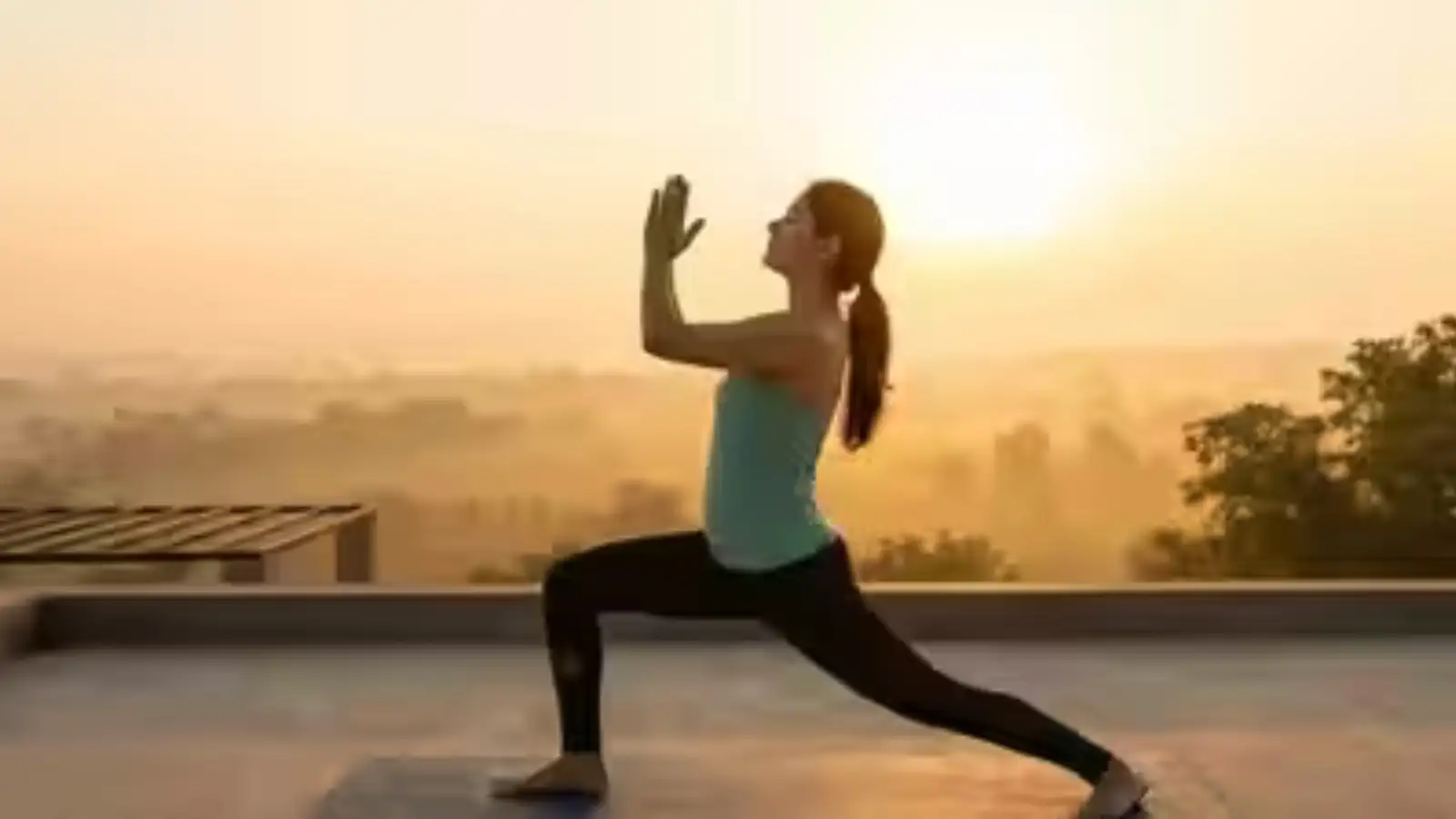
According to Rishikesh-based yoga teacher Dinesh, the 12-posture sequence engages almost the entire body, including the arms, legs, shoulders, waist, back and abdominal muscles. The combination of forward bends, backward stretches and controlled movements helps activate different muscle groups while gradually building physical strength.
Here are six reasons why making Surya Namaskar part of your winter morning routine can be beneficial.
Practising a few rounds in the morning can help you shake off the sluggish feeling that often accompanies chilly weather. It also provides a gentle way to transition from rest to physical activity.
Moving between standing positions, forward bends, plank-like postures and backward stretches allows multiple muscle groups to work together. With consistent practice, this can help improve overall muscular strength and physical endurance.
The forward bends, upward stretches and backbends help work different parts of the body. Regular practice can gradually improve flexibility and make everyday movements feel more comfortable.
Practising it consistently can also improve physical endurance over time. For people who struggle with winter morning fatigue, this yoga sequence can be a practical way to introduce regular movement into their daily schedule.
When combined with a balanced diet and other healthy lifestyle habits, regular practice can support weight management. However, the number of calories burned depends on factors such as body weight, pace, duration and the number of rounds performed.
Following the same sequence every morning makes it easier to establish a routine. Starting with a comfortable number of rounds and gradually increasing them as your fitness improves can help you stay consistent throughout the winter season.
Here is the correct order of the traditional 12 steps:
Consistency is more important than attempting too many rounds at once. Beginners can start slowly, focus on getting the postures right and gradually increase the number of rounds as their strength and flexibility improve.
Since winter mornings can be particularly cold, warm up gently before starting. Avoid forcing stretches or movements, and modify postures according to your comfort and fitness level.
Start with a manageable number of rounds, maintain the correct posture and remain consistent. With time, this traditional 12-step yoga sequence can become a simple and rewarding way to begin your winter mornings with more energy and movement.
Note: People with existing joint or back problems, injuries or other health concerns should consult a qualified yoga instructor or healthcare professional before starting the practice. Avoid pushing your body beyond its comfortable range of movement.
Why Practise Surya Namaskar During Winter?
Cold weather can make the body feel stiff and sluggish, reducing the motivation to follow a regular fitness routine. Surya Namaskar offers a convenient way to get moving without needing gym equipment or an elaborate workout setup.According to Rishikesh-based yoga teacher Dinesh, the 12-posture sequence engages almost the entire body, including the arms, legs, shoulders, waist, back and abdominal muscles. The combination of forward bends, backward stretches and controlled movements helps activate different muscle groups while gradually building physical strength.
Here are six reasons why making Surya Namaskar part of your winter morning routine can be beneficial.
1. Keeps Your Body Warm
One of the biggest challenges of exercising in winter is dealing with the initial cold and stiffness. Surya Namaskar gets the body moving through a series of coordinated postures, helping generate natural warmth.Practising a few rounds in the morning can help you shake off the sluggish feeling that often accompanies chilly weather. It also provides a gentle way to transition from rest to physical activity.
2. Strengthens Multiple Muscle Groups
Surya Namaskar is a full-body exercise that engages several muscles in a single sequence. The different postures activate the arms, shoulders, legs, back, waist and abdominal region.Moving between standing positions, forward bends, plank-like postures and backward stretches allows multiple muscle groups to work together. With consistent practice, this can help improve overall muscular strength and physical endurance.
3. Improves Flexibility And Mobility
Cold weather can make muscles and joints feel less flexible, particularly when physical activity decreases. Surya Namaskar involves a combination of stretching and controlled movements that encourage the body to move through different ranges of motion.The forward bends, upward stretches and backbends help work different parts of the body. Regular practice can gradually improve flexibility and make everyday movements feel more comfortable.
4. Helps Improve Energy And Stamina
Starting the day with physical activity can help you feel more alert and active. Surya Namaskar brings together movement and controlled breathing, creating a steady rhythm that can help you ease into your morning routine.Practising it consistently can also improve physical endurance over time. For people who struggle with winter morning fatigue, this yoga sequence can be a practical way to introduce regular movement into their daily schedule.
5. Supports Calorie Burning And Weight Management
Surya Namaskar involves continuous movement and engages several muscle groups, making it a useful addition to a fitness routine. Performing multiple rounds can increase physical activity and contribute to daily calorie expenditure.When combined with a balanced diet and other healthy lifestyle habits, regular practice can support weight management. However, the number of calories burned depends on factors such as body weight, pace, duration and the number of rounds performed.
6. Helps Build A Consistent Fitness Routine
Unlike workouts that require specialised equipment or a gym membership, Surya Namaskar can be practised at home with enough space and a yoga mat.Following the same sequence every morning makes it easier to establish a routine. Starting with a comfortable number of rounds and gradually increasing them as your fitness improves can help you stay consistent throughout the winter season.
How To Perform The 12 Steps Of Surya Namaskar
Surya Namaskar consists of 12 interconnected postures performed in a specific order. Each movement flows into the next, creating a balanced sequence of stretches and strengthening exercises.Here is the correct order of the traditional 12 steps:
- Pranamasana (Prayer Pose): Stand straight with your feet together and bring your palms together in front of your chest.
- Hastauttanasana (Raised Arms Pose): Inhale and raise both arms above your head while gently bending backwards.
- Padahastasana (Standing Forward Bend): Exhale and bend forward from the hips, bringing your hands towards your feet.
- Ashwa Sanchalanasana (Equestrian Pose): Take one leg backwards while bending the other knee and lifting your chest. Look forward.
- Dandasana (Plank Pose): Move the other leg backwards and keep your body straight, balancing on your hands and toes.
- Ashtanga Namaskar (Eight-Point Salute): Lower your knees, chest and chin towards the floor while keeping your hips slightly raised.
- Bhujangasana (Cobra Pose): Slide forward, lift your chest and gently arch your back while keeping your lower body close to the floor.
- Parvatasana (Mountain Pose): Raise your hips upwards, forming an inverted V shape with your body.
- Ashwa Sanchalanasana (Equestrian Pose): Bring one foot forward between your hands, lower the opposite knee and look ahead.
- Padahastasana (Standing Forward Bend): Bring the other foot forward and bend your upper body towards your legs.
- Hastauttanasana (Raised Arms Pose): Inhale, raise your arms overhead and gently stretch backwards.
- Pranamasana (Prayer Pose): Return to an upright position and bring your palms together in front of your chest.
You may also like
- How much have workers benefited one year after the implementation of the labour codes? What facilities have they received?
- 8th Pay Commission: Will the minimum pension be Rs 45,000? Find out how much you will actually receive based on a 2.50 fitment factor..
- Has there been a major change in LPG cylinder prices changed significantly? Find out the current cost of booking gas.
- Forgot your PPO number? No need to worry—just follow these simple steps...
- A smart way to earn with Auto-Sweep FDs—your money remains accessible, and you earn higher interest too..
What Is The Best Time To Practise Surya Namaskar In Winter ?
Yoga teacher Dinesh recommends practising Surya Namaskar early in the morning, preferably around sunrise. Traditionally, this yoga sequence is performed on an empty stomach, making the early morning a convenient time for many people.Consistency is more important than attempting too many rounds at once. Beginners can start slowly, focus on getting the postures right and gradually increase the number of rounds as their strength and flexibility improve.
Since winter mornings can be particularly cold, warm up gently before starting. Avoid forcing stretches or movements, and modify postures according to your comfort and fitness level.
Make Surya Namaskar A Part Of Your Winter Routine
Winter does not have to mean putting your fitness goals on hold. Spending a few minutes practising Surya Namaskar every morning can help you stay physically active, improve flexibility and build strength without complicated equipment.Start with a manageable number of rounds, maintain the correct posture and remain consistent. With time, this traditional 12-step yoga sequence can become a simple and rewarding way to begin your winter mornings with more energy and movement.
Note: People with existing joint or back problems, injuries or other health concerns should consult a qualified yoga instructor or healthcare professional before starting the practice. Avoid pushing your body beyond its comfortable range of movement.






Loving Newspoint? Download the app now
