
Sustainability on stage: How Rima is reducing waste in performances


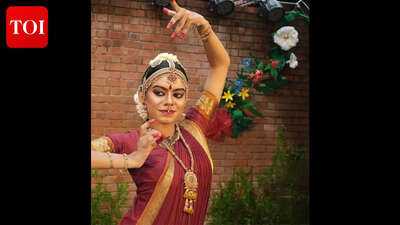
For actress and dancer Rima Kallingal , the inspiration for a sustainability project came from a familiar sight after performances — piles of wilted flowers, discarded décor and costumes that had outlived their stage life. The idea took shape during last year’s Onam celebrations, when Rima and her Mamangam (dance company) began reflecting on the amount of waste generated around performances, workshops and cultural events.
 “We host a lot of events and usually buy flowers for decoration. At the end of the day, you see all these wilted flowers being cleared away. It just felt very irresponsible. We were wasting so much,” says Rima.
The conversation soon extended to costumes. “Like many performing groups, we regularly refresh our wardrobe for productions and stage appearances. We grow attached to them (our costumes), and throwing them away didn’t feel right. We wanted to find a way to give them a second life,” she says.
The solution was both creative and practical. The team transformed old costumes into handcrafted flowers that now form part of their stage décor, turning what would have been waste into something visually striking.
We grow attached to our dance costumes and throwing them away didn’t feel right. We wanted to find a way to give them
a second life- Rima
Tradition meets sustainability
For the project, Rima chose Dashapushpam, the traditional group of 10 sacred flowers of Kerala, as the central theme. “Dashapushpam is deeply representative of Kerala’s flora. Whether it is our costumes, themes or artistic concepts, we have always wanted our work to remain rooted in Kerala’s aesthetics, traditions and history,” she says. The handcrafted flowers have since become a distinctive feature of their stage presentations, blending sustainability with cultural storytelling.
Learning from older generations
Rima traces her own approach to mindful consumption back to her mother. Looking back, she believes there is much to learn from the habits of an older generation. “It’s something she ingrained in us. I used to make fun of her for using a 45-year-old vegetable cutter, and her sewing machine, which is probably over 50 years old. But the way she values and cares for things has inspired us to do the same. It’s such a valuable lesson,” she signs off.
The conversation soon extended to costumes. “Like many performing groups, we regularly refresh our wardrobe for productions and stage appearances. We grow attached to them (our costumes), and throwing them away didn’t feel right. We wanted to find a way to give them a second life,” she says.
The solution was both creative and practical. The team transformed old costumes into handcrafted flowers that now form part of their stage décor, turning what would have been waste into something visually striking.
We grow attached to our dance costumes and throwing them away didn’t feel right. We wanted to find a way to give them
a second life- Rima
Tradition meets sustainability
For the project, Rima chose Dashapushpam, the traditional group of 10 sacred flowers of Kerala, as the central theme. “Dashapushpam is deeply representative of Kerala’s flora. Whether it is our costumes, themes or artistic concepts, we have always wanted our work to remain rooted in Kerala’s aesthetics, traditions and history,” she says. The handcrafted flowers have since become a distinctive feature of their stage presentations, blending sustainability with cultural storytelling.
Learning from older generations
Rima traces her own approach to mindful consumption back to her mother. Looking back, she believes there is much to learn from the habits of an older generation. “It’s something she ingrained in us. I used to make fun of her for using a 45-year-old vegetable cutter, and her sewing machine, which is probably over 50 years old. But the way she values and cares for things has inspired us to do the same. It’s such a valuable lesson,” she signs off.
Next Story