
How Indian Restaurants Are Adapting to Solo Diners

For years, stepping into a restaurant alone meant braving awkward glances, occupying unnecessarily large family tables, or feeling rushed by staff eager to turn over covers. However, a notable cultural evolution is taking place across major Indian urban centers. What originally gained momentum during post-pandemic shifts has quietly evolved into a permanent lifestyle habit. Today, young professionals, business travelers, neighborhood regulars, and independent food enthusiasts are choosing to dine alone simply for the joy of self-care and peaceful culinary exploration.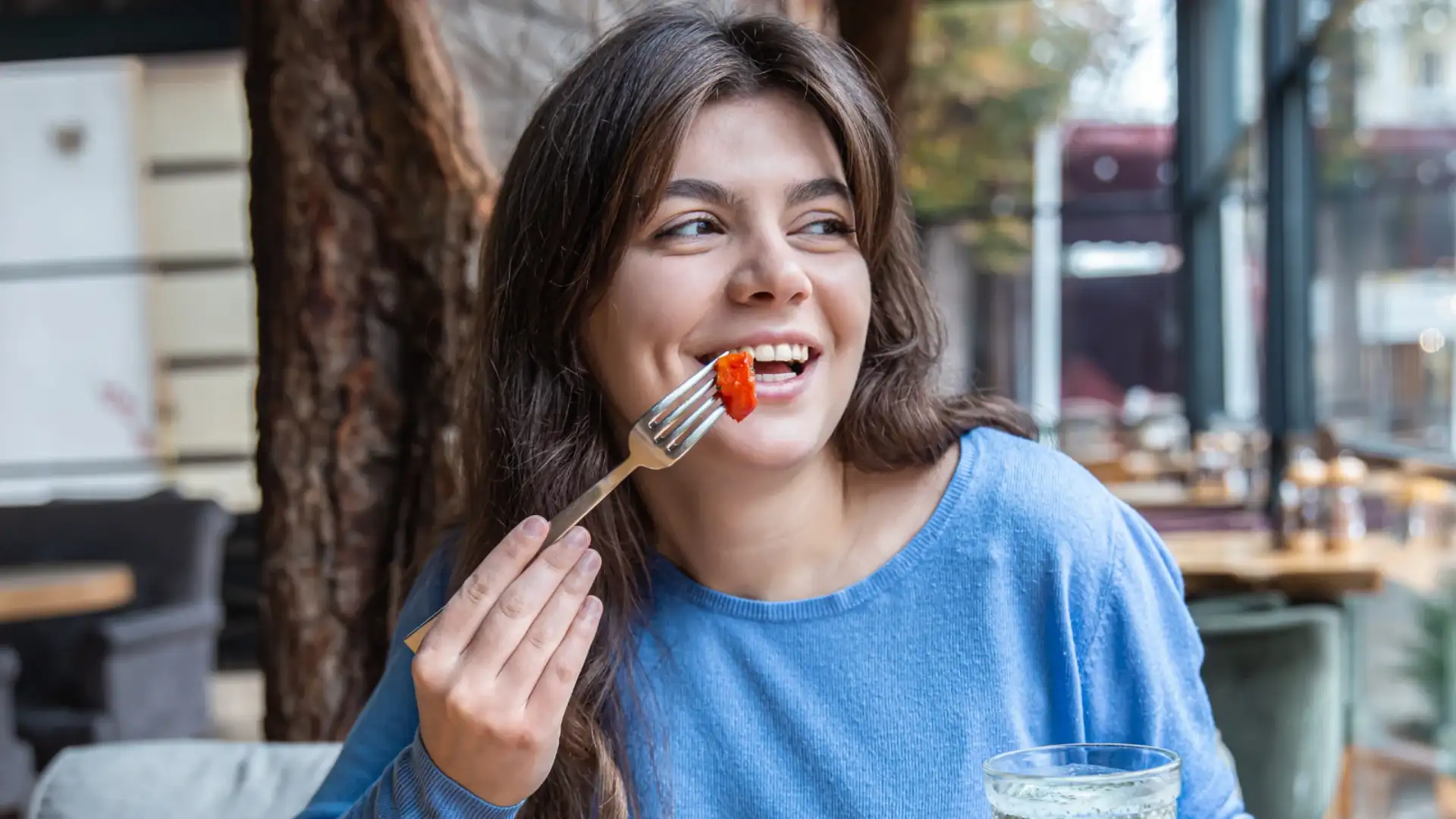
As solo dining transitions from a niche behavior to a mainstream preference, Indian hospitality is stepping up to meet the moment. By accommodating table-for-one requests with thoughtful seating and tailored portions, the industry is proving that taking oneself out for a meal is an experience worth celebrating.
1. Redesigning Floor Plans for Individual Comfort
One of the most noticeable barriers for solo diners has historically been physical space. Being seated at a large four-person table can make an individual feel exposed or misplaced. In response, popular dining establishments are actively modifying their floor layouts. Chains like Burma Burma have systematically increased their count of two-seater tables, while modern bistros are incorporating flexible modular seating and expanding bar-counter dining. These architectural tweaks ensure that a customer dining alone feels the space was intentionally designed for them.2. Re-Engineering Portions and Tapas-Style Menus
A major challenge for solo patrons at traditional Indian or Asian dining spots has been oversized sharing portions. Ordering a single large entree often limits the variety an individual can sample. To solve this, restaurants are implementing innovative menu engineering. Pan-Asian concepts like Foo specialize in tapas and small plates, allowing lone guests to sample multiple flavors without food waste. Other establishments are introducing single-person combo meals, curated multi-course lunch experiences, and reduced portion sizes tailored for individual appetites.3. Shift in Demographics and Social Perception
The profile of the average solo diner has broadened significantly. Restaurant owners note a steady influx of women dining independently, corporate workers enjoying weekday lunches, and tourists exploring local food scenes. Eating alone is no longer viewed as a rushed, sad necessity between work errands; it is increasingly celebrated as an empowering act of independence. Diners are claiming their time back without waiting for group consensus or making excuses to occupy a table.4. Service Hospitality Without Intrusion
Hospitality teams are receiving training to better accommodate solo patrons with balanced attentiveness. The goal is to make lone diners feel welcomed rather than rushed or scrutinized. Staff members are learning to offer thoughtful menu recommendations, respect personal boundaries when guests are reading or working, and maintain warm service throughout the meal.As solo dining transitions from a niche behavior to a mainstream preference, Indian hospitality is stepping up to meet the moment. By accommodating table-for-one requests with thoughtful seating and tailored portions, the industry is proving that taking oneself out for a meal is an experience worth celebrating.
Next Story