
Thai Temples: Pillars Of Spiritual Heritage & Community Life

Thai temples, or wats, are not only architectural marvels but also profound symbols of Thailand's spiritual heartbeat. These sacred spaces offer a window into the country’s Buddhist traditions, cultural identity, and sense of community. From intricate carvings to gilded stupas, every detail reflects a dedication to faith and artistry. Beyond their visual grandeur, Thai temples serve as places for meditation, ceremonies, and education, embodying a spiritual legacy passed through generations. Let’s delve into their enduring cultural and religious significance. 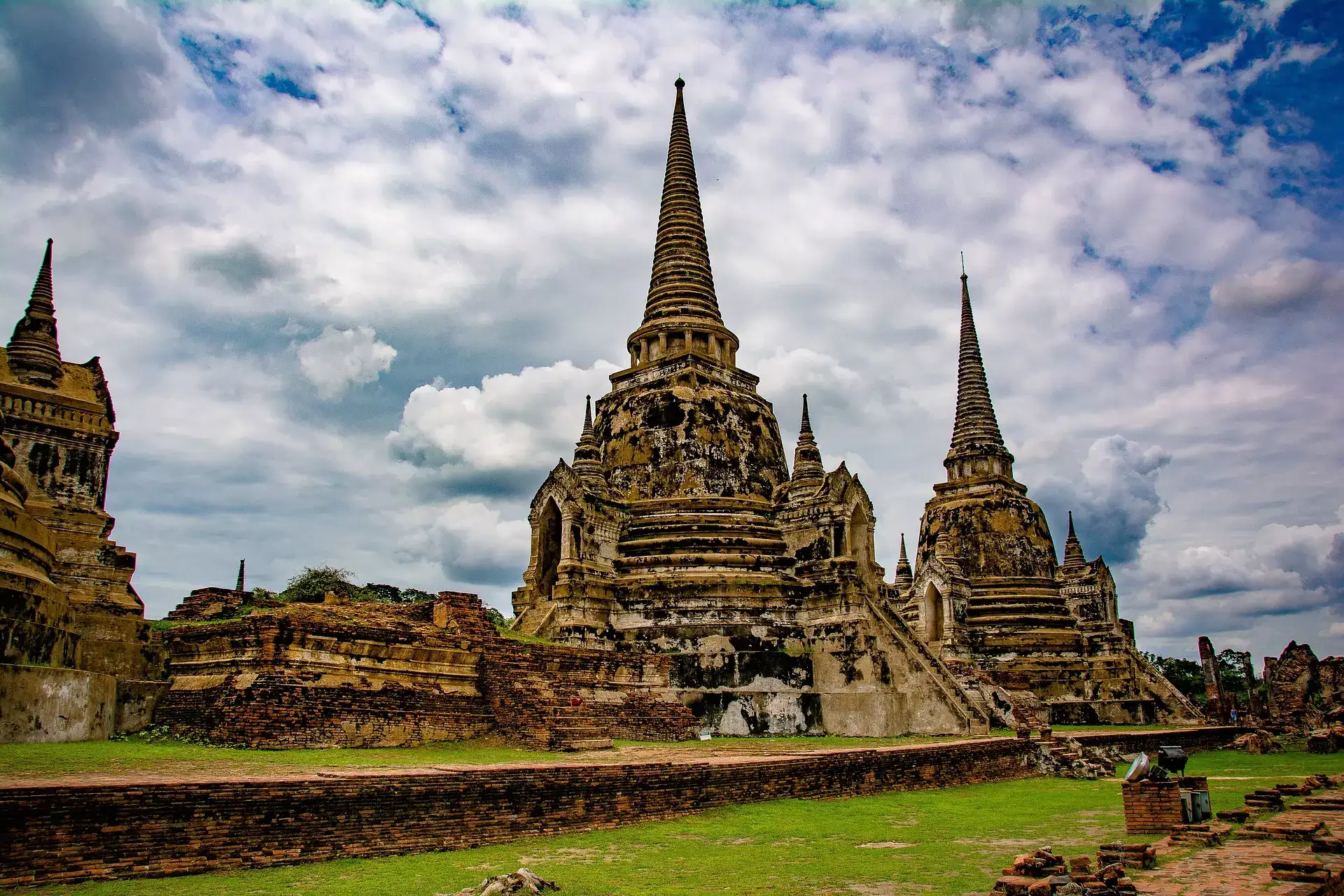 Image Courtesy: Pixabay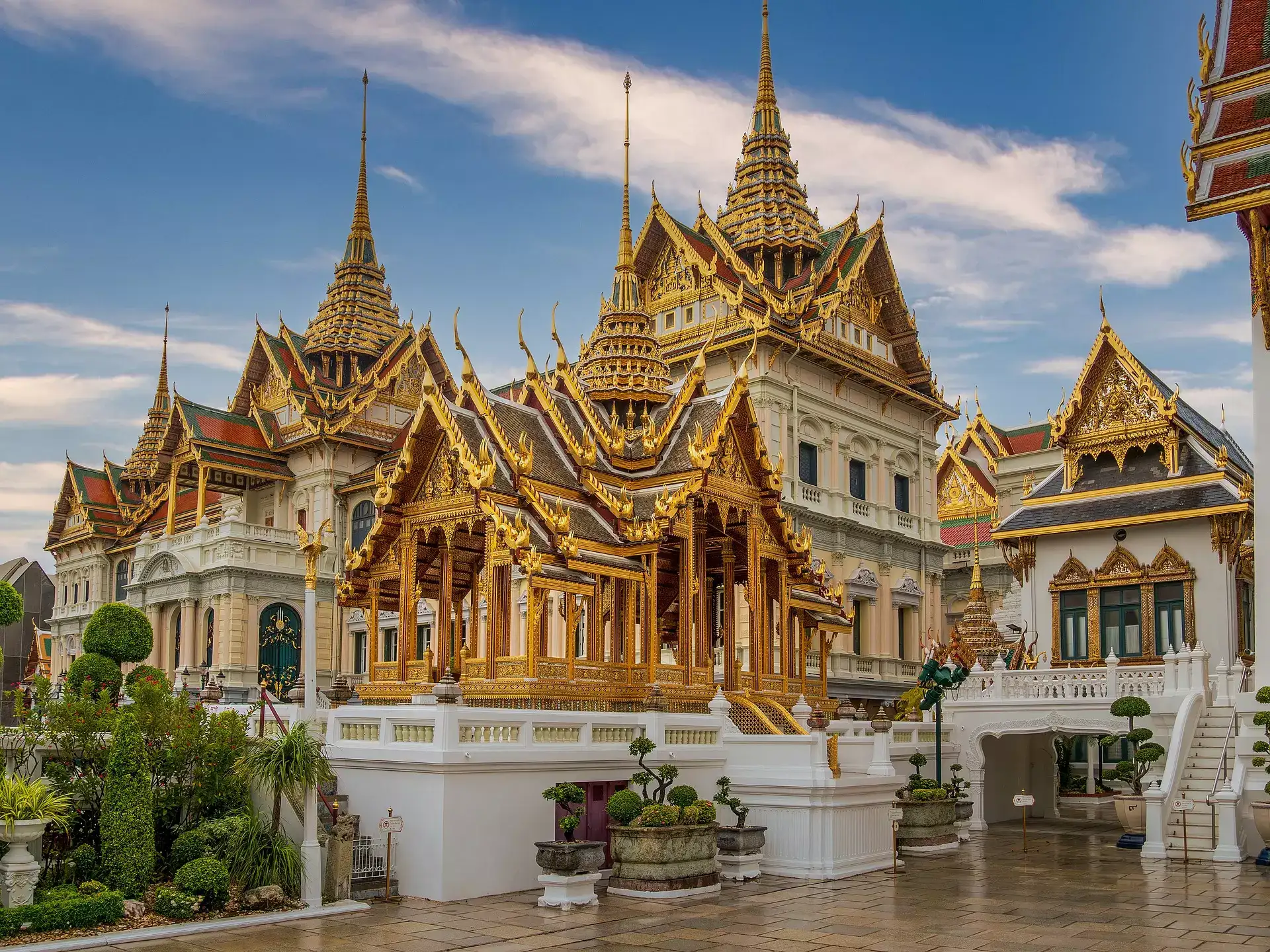
The Architecture of Faith
Thai temples are a feast for the eyes and soul, characterised by their tiered roofs, golden spires, and vibrant mosaics. Each element carries spiritual symbolism: the soaring stupas signify enlightenment, while the ornate interiors often depict stories from Buddha's life. The attention to detail reflects not just devotion but the skill of generations of artisans.
Centres of Community and Learning
Temples in Thailand are more than places of worship; they are community hubs. Many serve as schools, offering children basic education alongside teachings in Buddhist philosophy. During festivals, they transform into bustling centres of activity, hosting rituals, fairs, and communal meals that strengthen social bonds.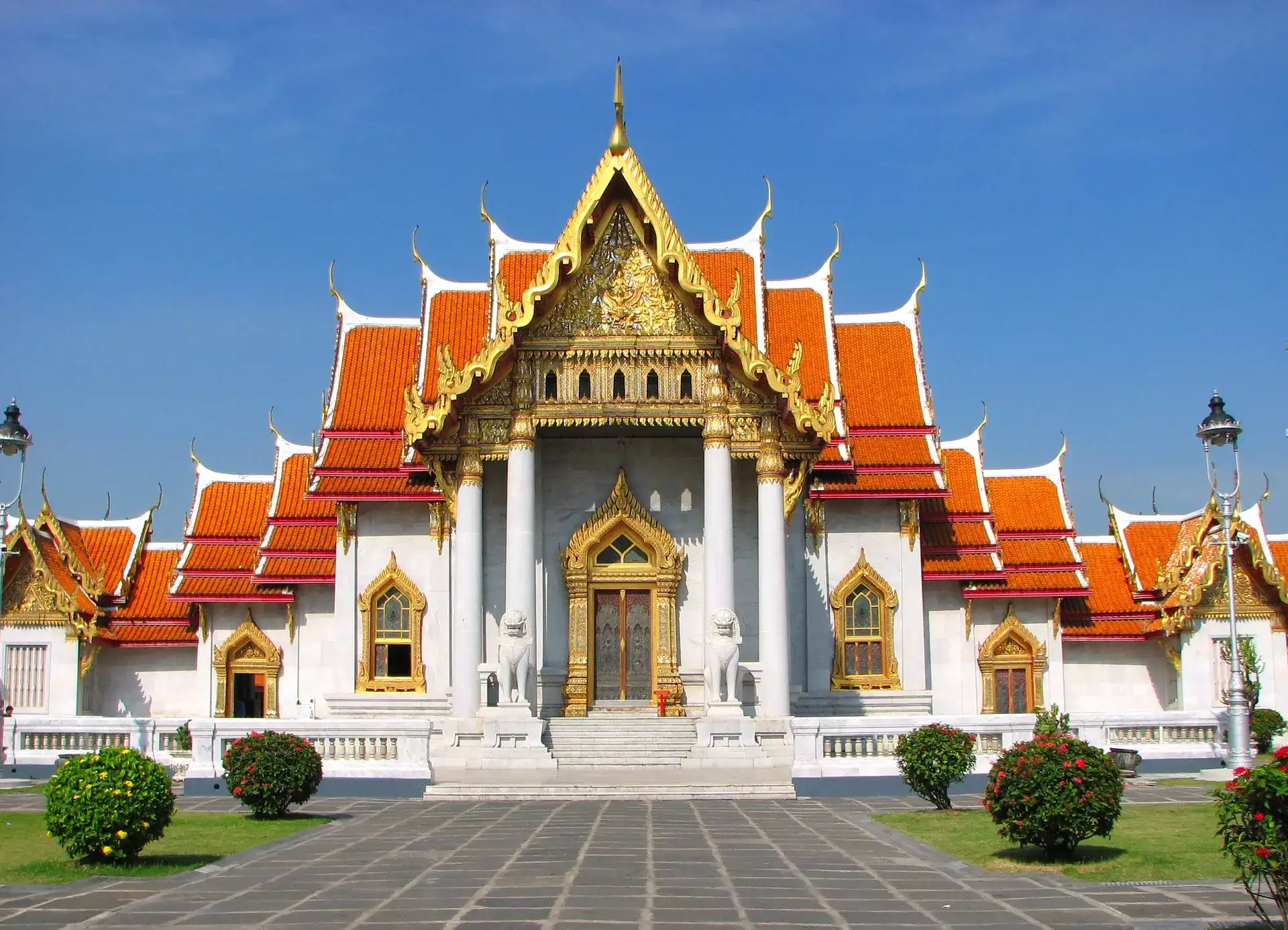 Image Courtesy: Pixabay
The Role of Monks
Thai monks are integral to temple life, serving as spiritual guides and moral anchors for their communities. Their serene presence is a reminder of the Buddhist principles of mindfulness and simplicity. Visitors often observe monks conducting morning alms rituals, an age-old tradition that fosters humility and interconnectedness.
Rituals and Festivals
Thai temples come alive during festivals like Visakha Bucha and Songkran, where rituals blend devotion and celebration. Ceremonies include offerings of flowers, incense, and food to the monks, while lantern releases and chants create an atmosphere of spiritual upliftment. These events reinforce the temple’s role as a beacon of cultural preservation.
Popular Temples and Pilgrimages
Wat Phra Kaew in Bangkok, housing the Emerald Buddha, is among the most revered temples in Thailand. Others, like Wat Arun and Wat Pho, attract pilgrims and tourists alike, offering a glimpse into the country’s spiritual tapestry. Each temple has its unique charm, inviting reflection and reverence.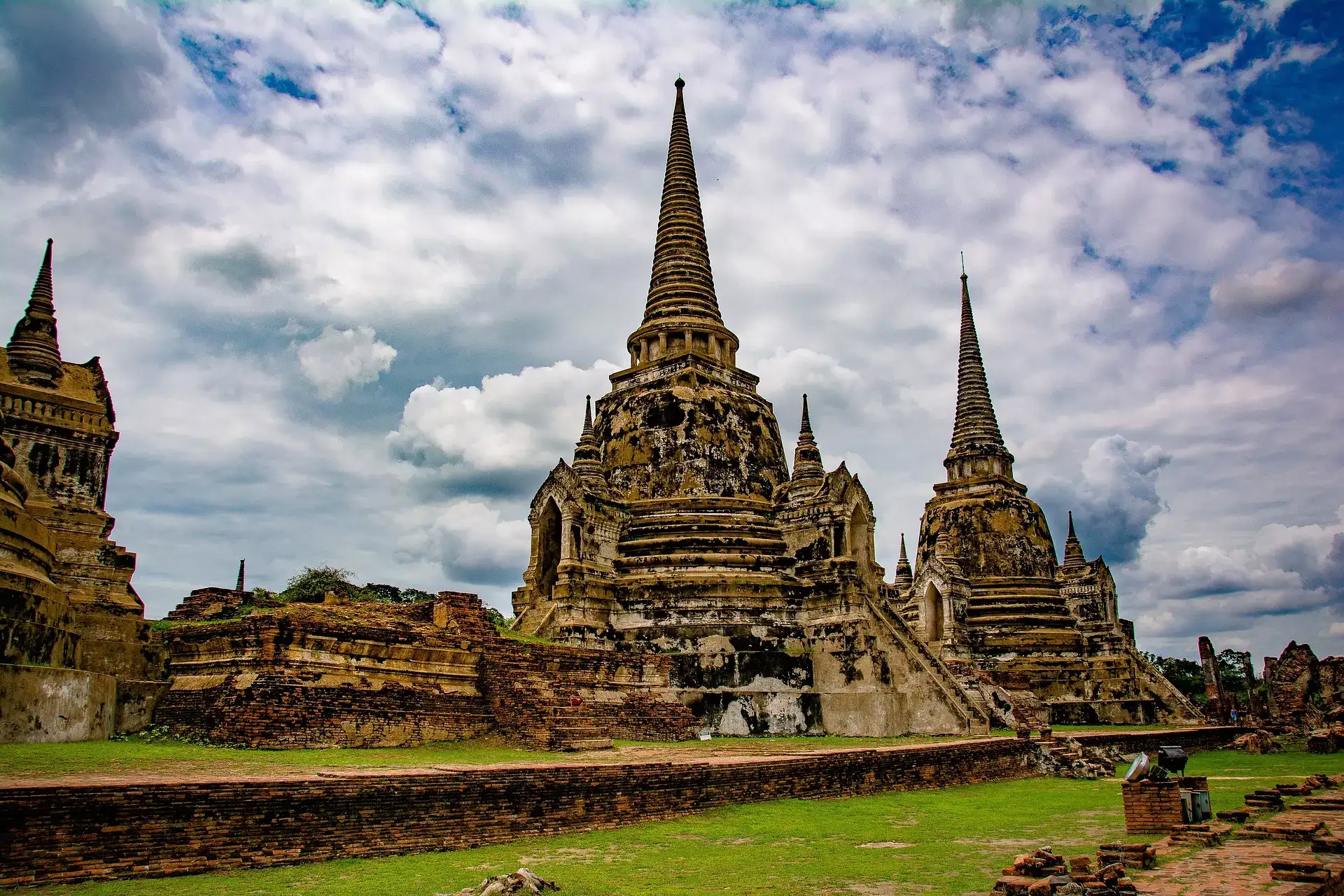 Image Courtesy: Pixabay
Temples as Tourist Destinations
While temples are sacred, they are also major tourist attractions, drawing millions worldwide. Visitors are encouraged to respect local customs, such as dressing modestly and observing silence. Tourism helps preserve these temples, ensuring they continue to inspire future generations.
A Symbol of Timeless Devotion
Thai temples stand as enduring symbols of Thailand’s cultural and spiritual identity. They remind us of the universal quest for peace and meaning, transcending their role as places of worship to become timeless monuments of faith and artistry.
The Architecture of Faith
Thai temples are a feast for the eyes and soul, characterised by their tiered roofs, golden spires, and vibrant mosaics. Each element carries spiritual symbolism: the soaring stupas signify enlightenment, while the ornate interiors often depict stories from Buddha's life. The attention to detail reflects not just devotion but the skill of generations of artisans.
Centres of Community and Learning
Temples in Thailand are more than places of worship; they are community hubs. Many serve as schools, offering children basic education alongside teachings in Buddhist philosophy. During festivals, they transform into bustling centres of activity, hosting rituals, fairs, and communal meals that strengthen social bonds.
You may also like
- Roman dress with long sleeves praised by older shoppers for being 'very good value'
- The hidden purpose of clothespin holes: How this overlooked design helps clothes stay secure and reduces peg marks
- Cooker Hacks: Cooker Whistle Spraying Water? These Simple Tricks Will Fix It!
- Ghosting has left dating apps — now we ghost friends, colleagues and family
- Got an upper berth on the train? Here's how you can get a lower berth.
The Role of Monks
Thai monks are integral to temple life, serving as spiritual guides and moral anchors for their communities. Their serene presence is a reminder of the Buddhist principles of mindfulness and simplicity. Visitors often observe monks conducting morning alms rituals, an age-old tradition that fosters humility and interconnectedness.
Rituals and Festivals
Thai temples come alive during festivals like Visakha Bucha and Songkran, where rituals blend devotion and celebration. Ceremonies include offerings of flowers, incense, and food to the monks, while lantern releases and chants create an atmosphere of spiritual upliftment. These events reinforce the temple’s role as a beacon of cultural preservation.
Popular Temples and Pilgrimages
Wat Phra Kaew in Bangkok, housing the Emerald Buddha, is among the most revered temples in Thailand. Others, like Wat Arun and Wat Pho, attract pilgrims and tourists alike, offering a glimpse into the country’s spiritual tapestry. Each temple has its unique charm, inviting reflection and reverence.
Temples as Tourist Destinations
While temples are sacred, they are also major tourist attractions, drawing millions worldwide. Visitors are encouraged to respect local customs, such as dressing modestly and observing silence. Tourism helps preserve these temples, ensuring they continue to inspire future generations.
A Symbol of Timeless Devotion
Thai temples stand as enduring symbols of Thailand’s cultural and spiritual identity. They remind us of the universal quest for peace and meaning, transcending their role as places of worship to become timeless monuments of faith and artistry.






Loving Newspoint? Download the app now
