
That ₹20 Samosa Could End Up Costing You ₹3 Lakh in Medical Bills - Here’s the Real Reason Why

That golden, crispy ₹20 samosa you grab from the office canteen might feel like the perfect evening treat - cheap, tasty, and harmless. But what if that small indulgence turns into a ₹3 lakh hospital bill later in life? A viral post by Delhi-based cardiologist Dr. Shailesh Singh has sparked a much-needed conversation about the hidden costs of unhealthy eating and why investing in your health today can save you both money and pain tomorrow.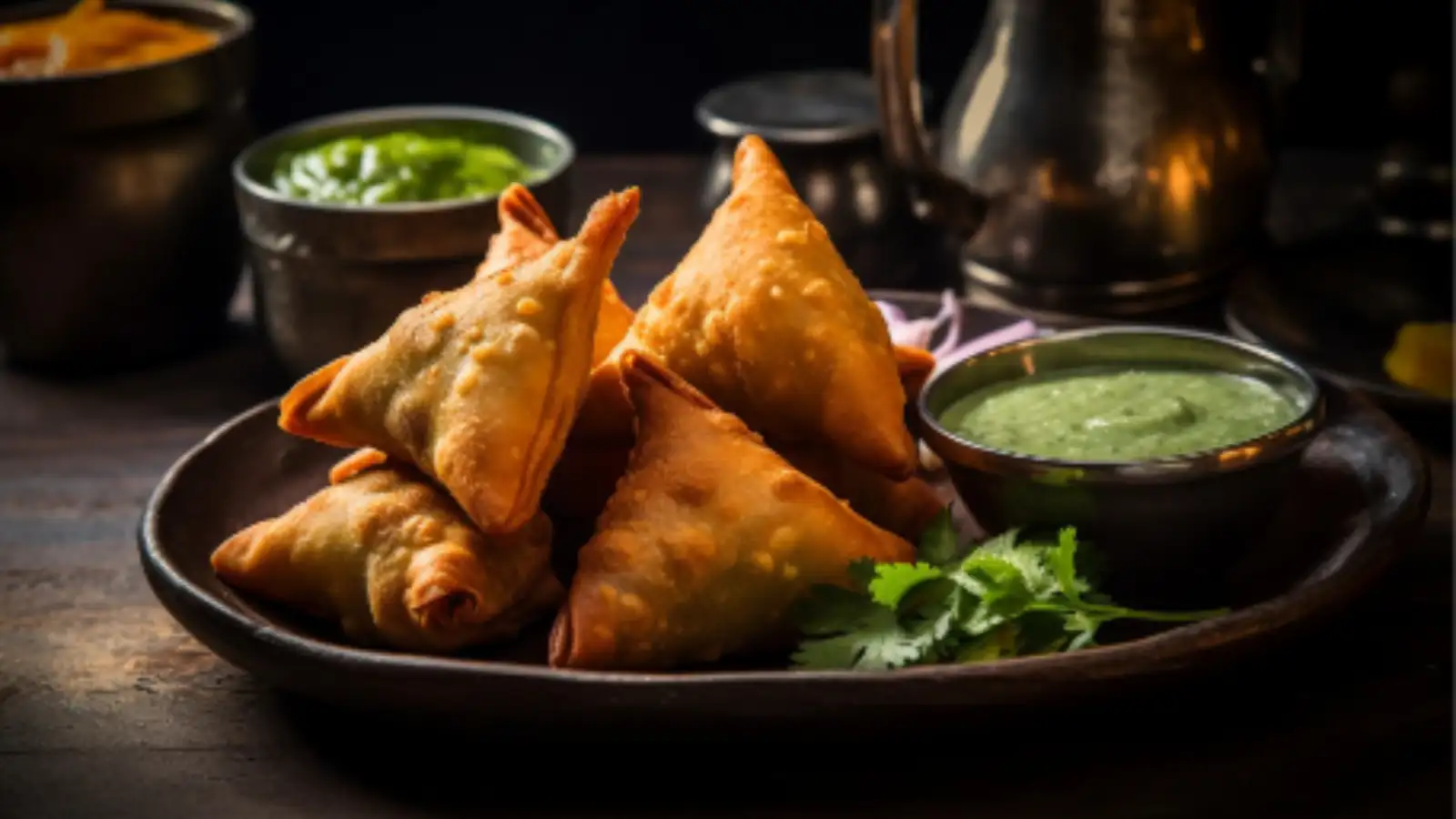
The True Cost of That Daily Samosa
Dr. Singh’s viral post on X (formerly Twitter) presents a powerful reality check. He calculated that eating just one ₹20 samosa every day adds up to nearly ₹90,000 in 15 years. However, the real expense isn’t financial - it’s medical.
According to Dr. Singh, those fried, calorie-heavy snacks can lead to blocked arteries, obesity, and heart disease, which may eventually demand costly treatments like angioplasty, easily running into ₹3 lakh or more.
He wrote, “You’re not saving money on unhealthy food - you’re taking a loan against your arteries at 400% interest.” His message serves as a wake-up call for anyone who ignores health warnings in the name of convenience or habit.
Why Your Health Can’t Wait for the ‘Right Time’
Many people postpone healthy changes, telling themselves they’ll start exercising after work gets easier or once the kids grow up. But as Dr. Singh pointed out, “The body doesn’t wait for our calendars to clear.”
Ignoring warning signs like fatigue, acidity or mild chest pain can lead to serious heart complications later. Small changes today - like cutting down on fried snacks, drinking more water, and taking daily walks - can help prevent lifestyle diseases from taking over your future.
Choose Your Hard: Short-Term Discomfort or Lifelong Regret
Dr. Singh’s advice is simple yet profound - “Choose your hard.”
Eating clean or exercising might feel uncomfortable at first, but it’s temporary. The regret of poor health, however, can last a lifetime.
Experts agree that making small, consistent changes is key:
These minor adjustments can dramatically cut the risk of heart disease, diabetes, and other chronic ailments.
The Bigger Picture: India’s Heart Health Crisis
According to the World Health Organization (WHO), cardiovascular diseases are the leading cause of death in India, responsible for nearly one in four deaths annually. Urban lifestyles, irregular meals, and processed food habits have made young professionals more vulnerable than ever.
Prioritising a balanced diet and fitness isn’t a luxury anymore - it’s a necessity. What feels like a harmless ₹20 snack today might just be a slow investment toward a ₹3 lakh medical bill tomorrow.
The takeaway is simple - your health is the most valuable investment you can make. So next time you reach for that samosa, pause and ask yourself: Is this ₹20 really worth ₹3 lakh later?
Start small, stay consistent, and remember - healthy choices today are the best insurance for your tomorrow.
The True Cost of That Daily Samosa
Dr. Singh’s viral post on X (formerly Twitter) presents a powerful reality check. He calculated that eating just one ₹20 samosa every day adds up to nearly ₹90,000 in 15 years. However, the real expense isn’t financial - it’s medical.
According to Dr. Singh, those fried, calorie-heavy snacks can lead to blocked arteries, obesity, and heart disease, which may eventually demand costly treatments like angioplasty, easily running into ₹3 lakh or more.
He wrote, “You’re not saving money on unhealthy food - you’re taking a loan against your arteries at 400% interest.” His message serves as a wake-up call for anyone who ignores health warnings in the name of convenience or habit.
Why Your Health Can’t Wait for the ‘Right Time’
Many people postpone healthy changes, telling themselves they’ll start exercising after work gets easier or once the kids grow up. But as Dr. Singh pointed out, “The body doesn’t wait for our calendars to clear.”
You may also like
- JJ Valaya's SIDDI was a love letter to heritage, craft and timeless couture
- From Delhi to Odisha: Heavy to extremely heavy rainfall expected across India; IMD warns of flooding and travel disruptions
- Word of the day: Bollard
- Makeup brand giving away 1,000s of free driving lessons because their primer is so strong
- Quote of the Day by Confucius, "When you see a worthy person, endeavor to emulate him. When you see an unworthy person, then...."
Ignoring warning signs like fatigue, acidity or mild chest pain can lead to serious heart complications later. Small changes today - like cutting down on fried snacks, drinking more water, and taking daily walks - can help prevent lifestyle diseases from taking over your future.
Choose Your Hard: Short-Term Discomfort or Lifelong Regret
Dr. Singh’s advice is simple yet profound - “Choose your hard.”
Eating clean or exercising might feel uncomfortable at first, but it’s temporary. The regret of poor health, however, can last a lifetime.
Experts agree that making small, consistent changes is key:
- Walk or exercise for at least 30 minutes a day
- Limit fried and processed foods
- Manage stress through meditation or hobbies
- Get regular health check-ups
These minor adjustments can dramatically cut the risk of heart disease, diabetes, and other chronic ailments.
The Bigger Picture: India’s Heart Health Crisis
According to the World Health Organization (WHO), cardiovascular diseases are the leading cause of death in India, responsible for nearly one in four deaths annually. Urban lifestyles, irregular meals, and processed food habits have made young professionals more vulnerable than ever.
Prioritising a balanced diet and fitness isn’t a luxury anymore - it’s a necessity. What feels like a harmless ₹20 snack today might just be a slow investment toward a ₹3 lakh medical bill tomorrow.
The takeaway is simple - your health is the most valuable investment you can make. So next time you reach for that samosa, pause and ask yourself: Is this ₹20 really worth ₹3 lakh later?
Start small, stay consistent, and remember - healthy choices today are the best insurance for your tomorrow.






Loving Newspoint? Download the app now
