
The Balanced Plate: A Recipe for Healthy Weight

Achieving and maintaining a healthy weight can often feel like navigating a maze of diet trends and nutritional advice . However, the secret to sustainable health lies in simplicity—building a balanced plate . By focusing on a harmonious blend of nutrients, portion control , and mindful eating , you can create a lifelong recipe for wellness.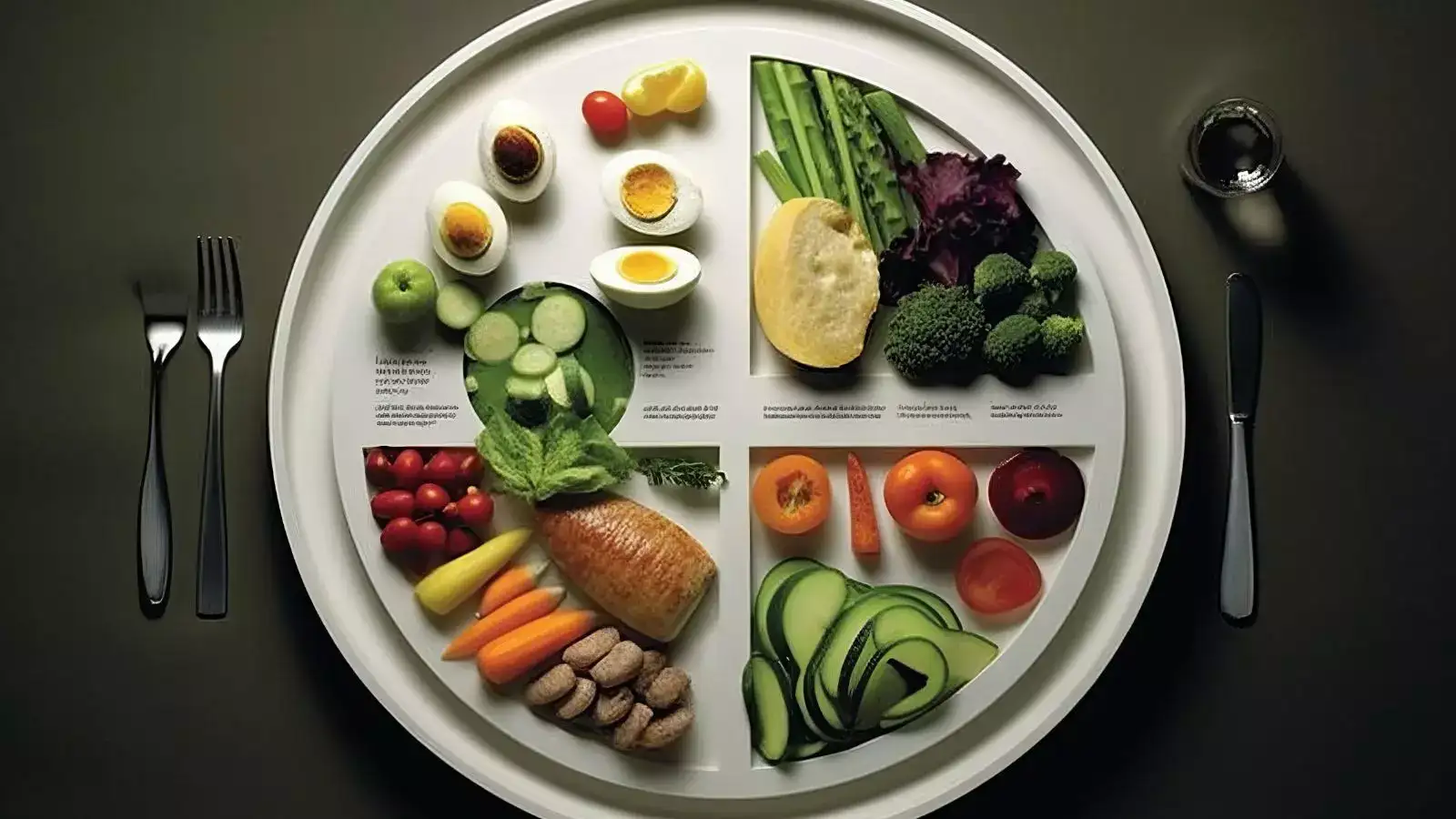
What Is a Balanced Plate?
A balanced plate incorporates all essential food groups in the right proportions. Think of your plate as a canvas divided into three main sections:
Half for Fruits and Vegetables: This vibrant portion adds color, nutrients, and fiber to your meals. Vegetables like leafy greens, broccoli, and bell peppers are low in calories but high in vitamins and minerals. Fruits such as berries, oranges, and apples provide natural sweetness and antioxidants.
A Quarter for Protein: Lean protein is crucial for building and repairing tissues. Opt for sources like chicken, fish, eggs, tofu, lentils, or beans. For variety, consider plant-based proteins, which also add fiber to your diet.
A Quarter for Whole Grains: Whole grains like quinoa, brown rice, and whole wheat bread offer sustained energy and essential nutrients. Unlike refined grains, they’re rich in fiber, which helps you stay fuller for longer.
Don’t forget healthy fats! Though not a primary section on the plate, a drizzle of olive oil, a sprinkle of nuts, or a slice of avocado can enhance both flavor and nutrition.
The Role of Portion Control
Even the healthiest foods can contribute to weight gain if consumed in excessive amounts. Portion control ensures you’re eating just enough to satisfy your body’s needs. Use tools like smaller plates, measuring cups, or even your hand to gauge appropriate serving sizes. For example, a protein serving can be the size of your palm, while a grain serving might fit in a cupped hand.
Mindful Eating: Savor Every Bite
A balanced plate isn’t just about what you eat but how you eat. Mindful eating encourages you to slow down, appreciate your meal, and tune into hunger and fullness cues. Avoid distractions like screens, and instead focus on the textures, flavors, and aromas of your food.
Practical Tips for Everyday Success
Plan Ahead: Meal prepping can save time and reduce the temptation of unhealthy choices.
Stay Hydrated: Water is essential for digestion and can help curb unnecessary snacking.
Limit Processed Foods: These often lack nutrients and are high in calories, sugar, and unhealthy fats.
Be Flexible: A balanced plate is a guideline, not a strict rule. Occasional indulgences are part of a healthy relationship with food.
Building a balanced plate is more than a dietary strategy; it’s a lifestyle choice that promotes long-term health and well-being. By incorporating diverse food groups, practicing portion control, and adopting mindful eating habits, you’re not only working towards a healthy weight but also nourishing your body and mind. Start small, stay consistent, and let your plate pave the way to a healthier you.
What Is a Balanced Plate?
A balanced plate incorporates all essential food groups in the right proportions. Think of your plate as a canvas divided into three main sections:
Half for Fruits and Vegetables: This vibrant portion adds color, nutrients, and fiber to your meals. Vegetables like leafy greens, broccoli, and bell peppers are low in calories but high in vitamins and minerals. Fruits such as berries, oranges, and apples provide natural sweetness and antioxidants.
A Quarter for Protein: Lean protein is crucial for building and repairing tissues. Opt for sources like chicken, fish, eggs, tofu, lentils, or beans. For variety, consider plant-based proteins, which also add fiber to your diet.
A Quarter for Whole Grains: Whole grains like quinoa, brown rice, and whole wheat bread offer sustained energy and essential nutrients. Unlike refined grains, they’re rich in fiber, which helps you stay fuller for longer.
You may also like
- Healthy Beetroot Recipes: 5 Delicious Ways to Add This Nutrient-Rich Superfood to Your Diet
- Walking During Pregnancy: Is It Safe? Here Are 5 Health Benefits Every Expecting Mother Should Know
- Anxiety vs Stress: How to Tell the Difference and When You Should Seek Help
- Weight Loss Tips: Is Diet Alone Enough? Experts Explain the Healthy Way to Lose Weight and Keep It Off
- Family Floater vs Individual Health Insurance: Which Plan Is the Better Choice for Your Family?
Don’t forget healthy fats! Though not a primary section on the plate, a drizzle of olive oil, a sprinkle of nuts, or a slice of avocado can enhance both flavor and nutrition.
The Role of Portion Control
Even the healthiest foods can contribute to weight gain if consumed in excessive amounts. Portion control ensures you’re eating just enough to satisfy your body’s needs. Use tools like smaller plates, measuring cups, or even your hand to gauge appropriate serving sizes. For example, a protein serving can be the size of your palm, while a grain serving might fit in a cupped hand.
Mindful Eating: Savor Every Bite
A balanced plate isn’t just about what you eat but how you eat. Mindful eating encourages you to slow down, appreciate your meal, and tune into hunger and fullness cues. Avoid distractions like screens, and instead focus on the textures, flavors, and aromas of your food.
Practical Tips for Everyday Success
Plan Ahead: Meal prepping can save time and reduce the temptation of unhealthy choices.
Stay Hydrated: Water is essential for digestion and can help curb unnecessary snacking.
Limit Processed Foods: These often lack nutrients and are high in calories, sugar, and unhealthy fats.
Be Flexible: A balanced plate is a guideline, not a strict rule. Occasional indulgences are part of a healthy relationship with food.
Building a balanced plate is more than a dietary strategy; it’s a lifestyle choice that promotes long-term health and well-being. By incorporating diverse food groups, practicing portion control, and adopting mindful eating habits, you’re not only working towards a healthy weight but also nourishing your body and mind. Start small, stay consistent, and let your plate pave the way to a healthier you.






Loving Newspoint? Download the app now
