
The Best Grooming Tools For Long-Haired Cats To Keep Their Coats Healthy And Tangle-Free

Long-haired cats are admired for their luxurious coats, elegant appearance and charming personalities. However, maintaining that beautiful fur requires more effort than many people realise. Unlike short-haired breeds, long-haired cats are more prone to tangles, mats and excessive shedding, all of which can affect their comfort and overall health. Regular grooming is not simply about appearance; it also helps reduce hairballs, promotes healthy skin and allows owners to monitor their pets for any unusual changes. Choosing the right cat grooming tools can make a significant difference, turning grooming sessions into a positive experience while helping long-haired cats maintain a healthy, well-kept coat throughout the year.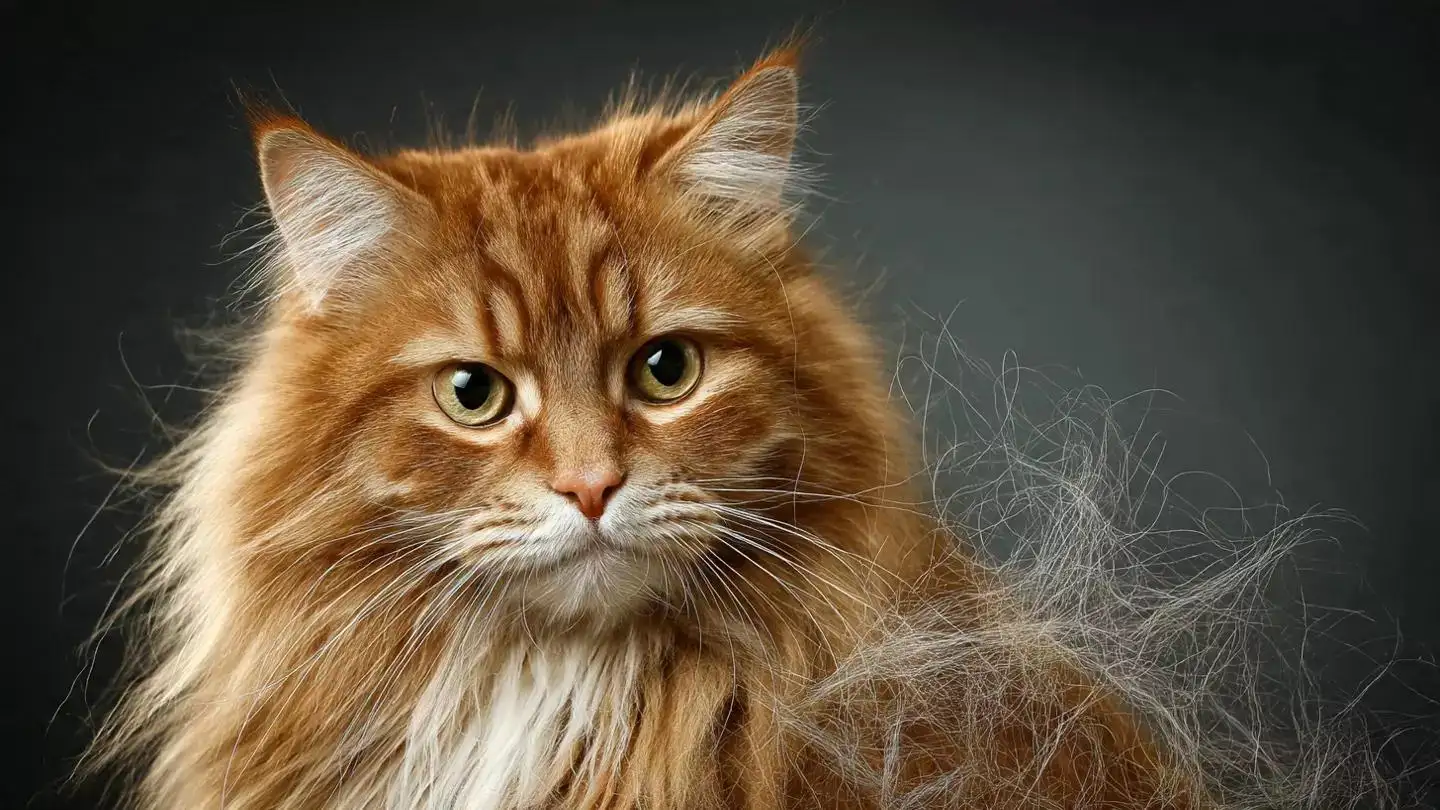
Without regular grooming, loose fur can become tangled and eventually develop into mats. Severe matting can pull on a cat's skin, causing discomfort and sometimes leading to irritation or infection.
Routine grooming helps distribute natural oils throughout the coat, supporting healthy skin and keeping fur soft and shiny. It also reduces the amount of hair swallowed during self-grooming, which may help minimise hairball formation.
These brushes feature fine wire bristles designed to remove loose hair and gently work through small tangles before they become problematic. Regular use helps keep the coat smooth and prevents knots from developing.
Slicker brushes are particularly effective during seasonal shedding periods when cats naturally lose larger amounts of fur. Gentle brushing several times a week can significantly improve coat condition and support cat shedding management .
Wide-tooth combs are designed to move through thick fur without causing unnecessary pulling. They are especially useful for areas where tangles commonly form, such as behind the ears, under the legs and around the neck.
Using a comb after brushing can help identify hidden knots and ensure the entire coat remains free from tangles.
Dematting tools are specifically designed to break apart stubborn clumps of tangled fur. Their specialised blades help separate mats gradually without requiring excessive force.
Owners should use these tools carefully and patiently. If matting becomes severe or is located close to the skin, professional grooming assistance may be the safest option.
Grooming gloves offer a gentle alternative for cats that are nervous during grooming sessions. These gloves feature soft rubber tips that collect loose fur while mimicking the sensation of petting.
Many cats find grooming gloves less intimidating than conventional tools, making them a useful addition to any collection of pet grooming essentials .
Deshedding tools are designed to remove loose undercoat hairs before they accumulate around the home or become trapped within the coat. When used correctly, these tools can reduce shedding and help maintain a healthier coat.
It is important to use deshedding tools according to manufacturer guidelines, as excessive use may remove more fur than necessary.
Rounded-tip grooming scissors can help remove small knots or trim excess fur around sensitive areas safely. Their rounded ends reduce the risk of accidental injury during grooming.
Scissors should only be used when necessary and with great care. Large mats should never be cut without proper knowledge, as skin can easily become trapped within tangled fur.
Their closely spaced teeth help identify fleas, flea dirt and small debris that may otherwise go unnoticed. Regular coat inspections allow owners to detect potential issues early and take appropriate action.
Flea combs can also be useful for grooming delicate facial areas where larger brushes may be less effective.
Regular nail trimming helps prevent overgrown claws and reduces the likelihood of scratching injuries. Many cat owners include nail care as part of a comprehensive grooming routine.
Using pet-specific nail clippers designed for cats helps make the process safer and more manageable.
Short, calm grooming sessions are often more successful than lengthy sessions that test a cat's patience. Offering treats, praise and gentle handling can help create positive associations with grooming activities.
Starting grooming routines at a young age may also encourage better cooperation later in life. However, older cats can still adapt with patience and consistency.
Many long-haired cats benefit from brushing several times each week, while some may require daily attention to prevent tangles and mats. Regular inspections of the coat help determine whether grooming frequency needs adjustment.
Consistent grooming generally requires less effort than dealing with severe matting after it develops.
A well-rounded grooming kit typically includes a slicker brush, wide-tooth comb, grooming gloves and nail clippers. Additional tools such as deshedding devices and dematting combs can be added based on the specific needs of the cat.
Selecting quality cat grooming tools and using them regularly can help maintain a healthy coat, reduce shedding and improve overall comfort.
Long-haired cats require dedicated care to keep their coats in excellent condition. With the right grooming tools and a consistent routine, owners can prevent tangles, manage shedding and support their pet's wellbeing. From slicker brushes and combs to grooming gloves and deshedding tools, each item serves an important purpose in maintaining a beautiful, healthy coat. Investing time in regular grooming not only enhances appearance but also strengthens the bond between cats and their owners while contributing to long-term health and comfort.
Why Grooming Is Essential For Long-Haired Cats
Long fur tends to trap loose hairs, dirt and debris more easily than shorter coats.Without regular grooming, loose fur can become tangled and eventually develop into mats. Severe matting can pull on a cat's skin, causing discomfort and sometimes leading to irritation or infection.
Routine grooming helps distribute natural oils throughout the coat, supporting healthy skin and keeping fur soft and shiny. It also reduces the amount of hair swallowed during self-grooming, which may help minimise hairball formation.
Slicker Brushes For Everyday Maintenance
A slicker brush is one of the most useful tools for long-haired cat grooming .These brushes feature fine wire bristles designed to remove loose hair and gently work through small tangles before they become problematic. Regular use helps keep the coat smooth and prevents knots from developing.
Slicker brushes are particularly effective during seasonal shedding periods when cats naturally lose larger amounts of fur. Gentle brushing several times a week can significantly improve coat condition and support cat shedding management .
Wide-Tooth Combs For Tackling Tangles
While brushes are excellent for general maintenance, combs play an equally important role.Wide-tooth combs are designed to move through thick fur without causing unnecessary pulling. They are especially useful for areas where tangles commonly form, such as behind the ears, under the legs and around the neck.
Using a comb after brushing can help identify hidden knots and ensure the entire coat remains free from tangles.
Dematting Tools For Stubborn Mats
Even with regular care, some long-haired cats may occasionally develop mats.Dematting tools are specifically designed to break apart stubborn clumps of tangled fur. Their specialised blades help separate mats gradually without requiring excessive force.
Owners should use these tools carefully and patiently. If matting becomes severe or is located close to the skin, professional grooming assistance may be the safest option.
Grooming Gloves For Sensitive Cats
Not all cats enjoy traditional brushes and combs.Grooming gloves offer a gentle alternative for cats that are nervous during grooming sessions. These gloves feature soft rubber tips that collect loose fur while mimicking the sensation of petting.
Many cats find grooming gloves less intimidating than conventional tools, making them a useful addition to any collection of pet grooming essentials .
Deshedding Tools For Heavy Shedders
Long-haired breeds often shed significant amounts of fur throughout the year.Deshedding tools are designed to remove loose undercoat hairs before they accumulate around the home or become trapped within the coat. When used correctly, these tools can reduce shedding and help maintain a healthier coat.
It is important to use deshedding tools according to manufacturer guidelines, as excessive use may remove more fur than necessary.
Rounded-Tip Grooming Scissors
Certain areas of a long-haired cat's coat may occasionally require trimming.Rounded-tip grooming scissors can help remove small knots or trim excess fur around sensitive areas safely. Their rounded ends reduce the risk of accidental injury during grooming.
Scissors should only be used when necessary and with great care. Large mats should never be cut without proper knowledge, as skin can easily become trapped within tangled fur.
Flea Combs For Coat Inspection
Flea combs are valuable tools even for indoor cats.Their closely spaced teeth help identify fleas, flea dirt and small debris that may otherwise go unnoticed. Regular coat inspections allow owners to detect potential issues early and take appropriate action.
Flea combs can also be useful for grooming delicate facial areas where larger brushes may be less effective.
Nail Clippers As Part Of A Complete Grooming Routine
Although not directly related to fur care, nail maintenance remains an important aspect of overall grooming.Regular nail trimming helps prevent overgrown claws and reduces the likelihood of scratching injuries. Many cat owners include nail care as part of a comprehensive grooming routine.
Using pet-specific nail clippers designed for cats helps make the process safer and more manageable.
Creating A Positive Grooming Experience
The effectiveness of grooming long-haired cats depends not only on the tools used but also on the experience itself.You may also like
- Serena Williams is back at Wimbledon: Five lessons in resilience, confidence and grit
- Discover the Authentic Recipe for Rajasthani Gatte ki Sabzi
- "You don't have to travel on cheap and dirty trains": Polish woman shares her travel experience in Vande Bharat
- Blocked Milk Duct: Signs Every Breastfeeding Mum Should Know
- Delicious Homemade Raj Kachori Recipe for Chaat Lovers
Short, calm grooming sessions are often more successful than lengthy sessions that test a cat's patience. Offering treats, praise and gentle handling can help create positive associations with grooming activities.
Starting grooming routines at a young age may also encourage better cooperation later in life. However, older cats can still adapt with patience and consistency.
How Often Should Long-Haired Cats Be Groomed?
The ideal grooming frequency varies depending on coat type and individual needs.Many long-haired cats benefit from brushing several times each week, while some may require daily attention to prevent tangles and mats. Regular inspections of the coat help determine whether grooming frequency needs adjustment.
Consistent grooming generally requires less effort than dealing with severe matting after it develops.
Choosing The Right Combination Of Tools
No single grooming tool can address every aspect of cat coat care .A well-rounded grooming kit typically includes a slicker brush, wide-tooth comb, grooming gloves and nail clippers. Additional tools such as deshedding devices and dematting combs can be added based on the specific needs of the cat.
Selecting quality cat grooming tools and using them regularly can help maintain a healthy coat, reduce shedding and improve overall comfort.
Long-haired cats require dedicated care to keep their coats in excellent condition. With the right grooming tools and a consistent routine, owners can prevent tangles, manage shedding and support their pet's wellbeing. From slicker brushes and combs to grooming gloves and deshedding tools, each item serves an important purpose in maintaining a beautiful, healthy coat. Investing time in regular grooming not only enhances appearance but also strengthens the bond between cats and their owners while contributing to long-term health and comfort.






More from our partners


Loving Newspoint? Download the app now
