
Why Public Drinking Fountains Almost Vanished From Cities

Decades ago, public drinking fountains were common in parks, railway stations, schools, shopping streets, and town squares. People carried reusable cups or simply drank directly from the fountain while walking through the city.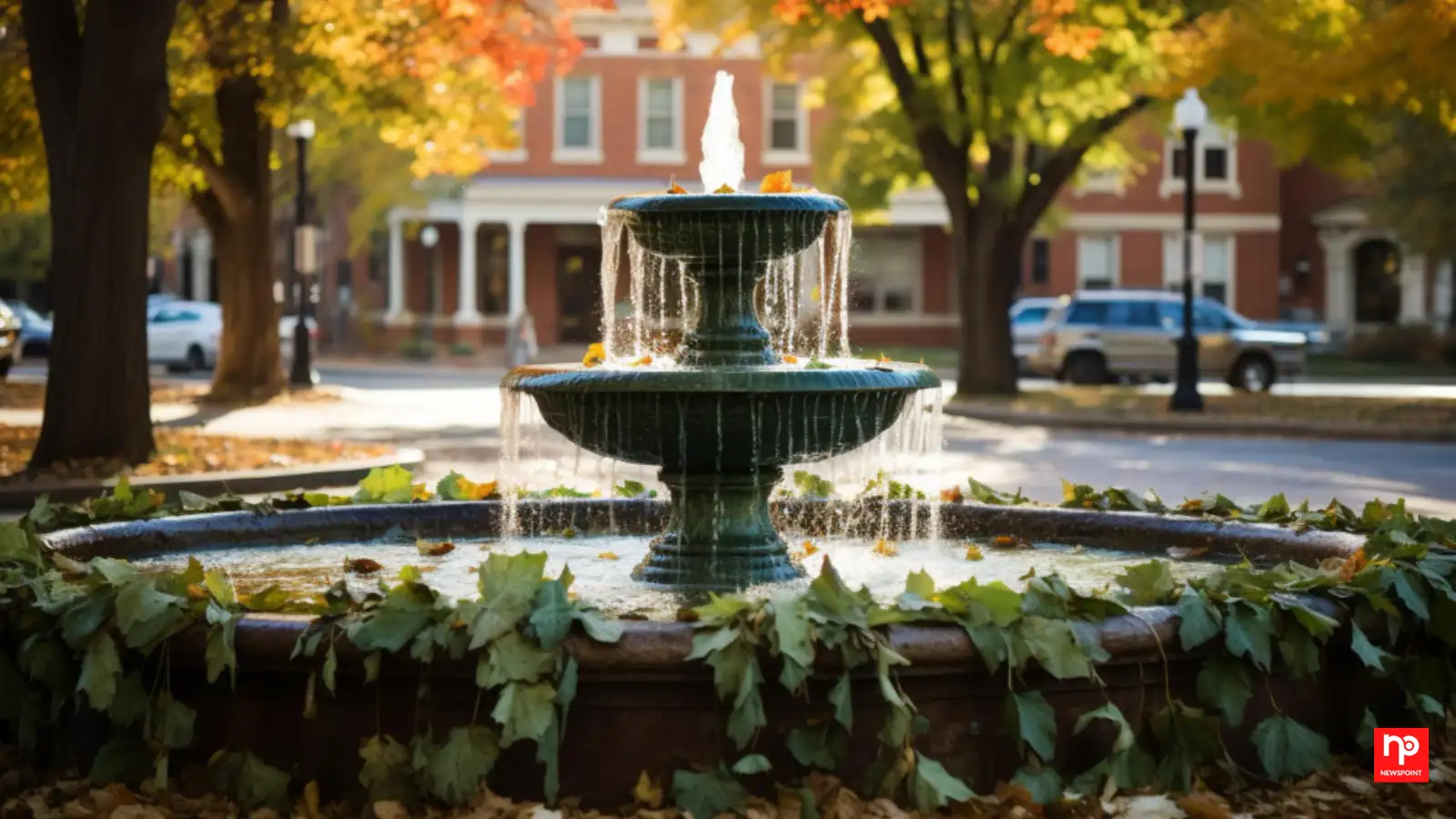
Today, many of those fountains are gone, replaced by rows of bottled water in vending machines and convenience stores.
The shift happened so gradually that most people barely noticed it.
Providing free public water was considered both practical and socially responsible.
Many beautifully designed fountains were built as civic landmarks rather than temporary utilities.
At the same time, maintenance budgets for public infrastructure declined in many cities. Some fountains fell into disrepair or were removed entirely.
People slowly became accustomed to buying water instead of accessing it freely.
Ironically, in many cities, bottled water contains filtered municipal water that already existed within the public supply system.
Public drinking fountains once encouraged reusable habits naturally without needing environmental campaigns.
Universities, airports, and public parks increasingly encourage people to refill rather than buy disposable bottles.
The return of public water access reflects changing attitudes towards waste and sustainability.
Environment Day discussions often focus on recycling, but reducing waste at the source can be even more effective.
A simple drinking fountain may not seem revolutionary, yet it represents a powerful environmental idea: providing access without creating unnecessary waste.
Sometimes the most sustainable solutions are the ones people stopped noticing because they once felt completely ordinary.
Today, many of those fountains are gone, replaced by rows of bottled water in vending machines and convenience stores.
The shift happened so gradually that most people barely noticed it.
Public Water Was Once Seen as Essential
Cities originally installed drinking fountains to improve public health. During the late 19th century, clean drinking water became a major urban priority as industrial pollution and overcrowding increased disease outbreaks.Providing free public water was considered both practical and socially responsible.
Many beautifully designed fountains were built as civic landmarks rather than temporary utilities.
Why Bottled Water Changed Everything
The bottled water industry expanded dramatically during the late 20th century. Marketing campaigns promoted packaged water as cleaner, safer, and more convenient than public fountains.At the same time, maintenance budgets for public infrastructure declined in many cities. Some fountains fell into disrepair or were removed entirely.
People slowly became accustomed to buying water instead of accessing it freely.
The Environmental Consequences Nobody Expected
The rise of bottled water contributed heavily to plastic waste worldwide. Billions of single-use bottles are discarded annually, and many eventually reach rivers, beaches, or landfill sites.Ironically, in many cities, bottled water contains filtered municipal water that already existed within the public supply system.
Public drinking fountains once encouraged reusable habits naturally without needing environmental campaigns.
Why Cities Are Reintroducing Fountains
As concerns about plastic pollution grow, some cities are installing modern refill stations again. These updated fountains often include bottle-filling points designed specifically for reusable containers.Universities, airports, and public parks increasingly encourage people to refill rather than buy disposable bottles.
The return of public water access reflects changing attitudes towards waste and sustainability.
What This Says About Everyday Consumption
The disappearance of public fountains highlights how consumer culture can quietly replace shared public systems with disposable alternatives.Environment Day discussions often focus on recycling, but reducing waste at the source can be even more effective.
A simple drinking fountain may not seem revolutionary, yet it represents a powerful environmental idea: providing access without creating unnecessary waste.
Sometimes the most sustainable solutions are the ones people stopped noticing because they once felt completely ordinary.
Next Story