
How Social Media Affects Modern Relationships in the Digital Age

Social media has transformed the way people communicate, share experiences and maintain relationships. Platforms that began as simple tools for connecting with friends have become a central part of daily life for billions of people worldwide. From sharing holiday photos and celebrating milestones to sending quick messages and staying in touch across continents, social media has made communication easier than ever before.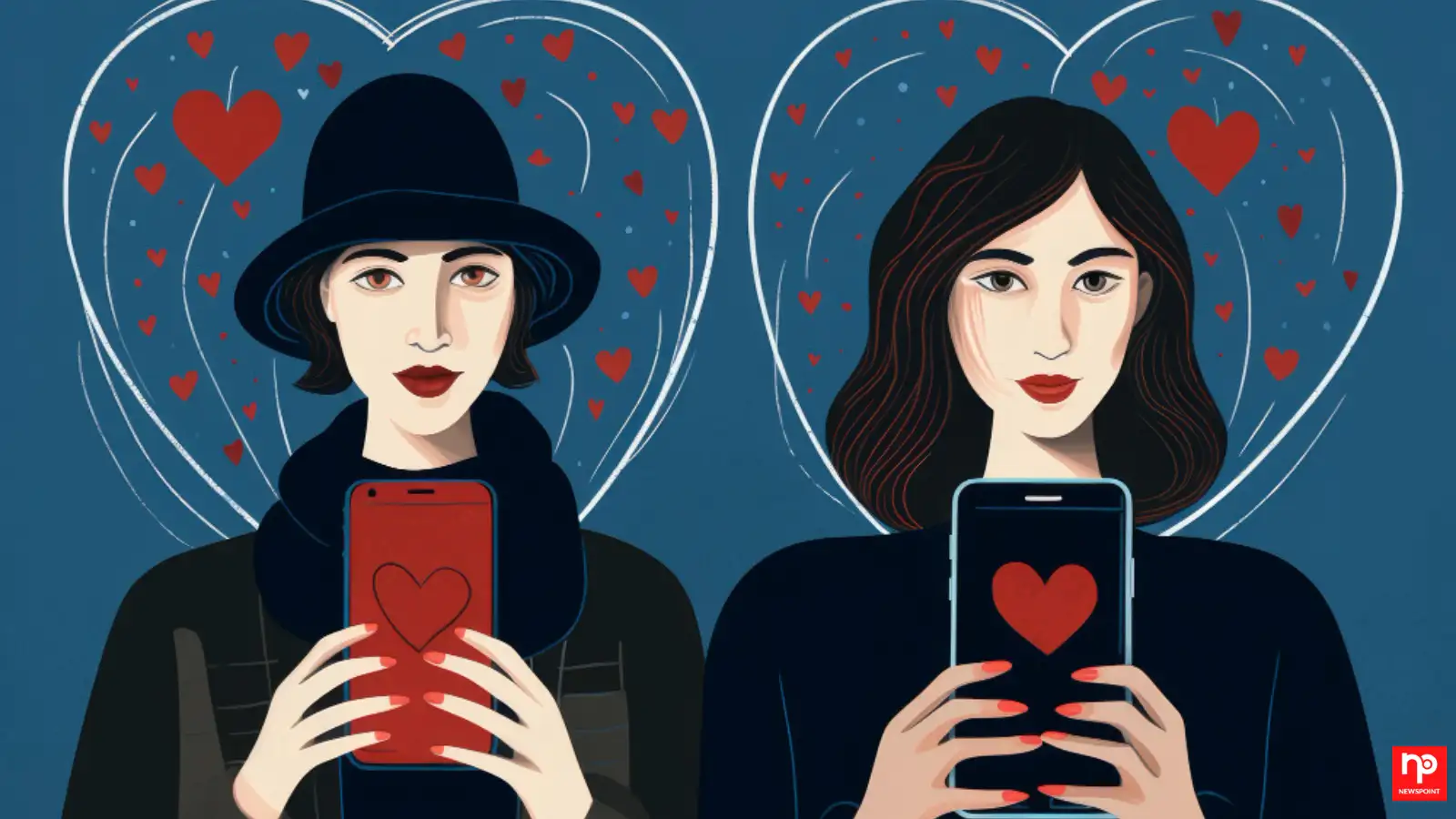
Yet its influence on relationships is far more complex than it first appears. While social media can help people stay connected, it can also create misunderstandings, unrealistic expectations and new sources of conflict. Understanding how social media affects modern relationships is increasingly important in a world where online interactions often play as significant a role as face-to-face communication.
Social media represents the latest stage in this evolution. Today, people can maintain friendships, romantic relationships and family connections regardless of geographical distance.
A person living thousands of miles away can remain involved in everyday life through photos, videos and instant messages. This level of connectivity would have seemed remarkable only a few decades ago.
For many individuals, social media has become an important tool for nurturing relationships that might otherwise fade due to distance and busy schedules.
Friends who move abroad can continue sharing important moments. Families separated by work or education can maintain regular contact. Romantic partners in long-distance relationships can communicate more easily than ever before.
Social media also allows people to reconnect with old friends and maintain broader social networks.
Research suggests that maintaining social connections contributes positively to emotional wellbeing and can reduce feelings of loneliness. In this way, social media can serve as a valuable relationship tool when used thoughtfully.
For many people, it helps bridge gaps that physical distance would otherwise create.
People often share carefully selected highlights of their lives rather than everyday realities. Holiday photographs, anniversary celebrations and romantic gestures are displayed publicly, creating an idealised image of relationships.
As a result, individuals may begin comparing their own relationships to these polished online portrayals.
This comparison can lead to unrealistic expectations and unnecessary dissatisfaction. In reality, every relationship experiences disagreements, challenges and ordinary moments that rarely appear on social media feeds.
Psychologists have noted that frequent comparison with idealised content can negatively affect self-esteem and relationship satisfaction.
As a result, messages can be misunderstood more easily. A brief reply may be interpreted as annoyance, while delayed responses can sometimes create unnecessary worry.
Social media interactions can also lead to misunderstandings about intentions, friendships or online behaviour.
Many relationship conflicts today arise not from major issues but from assumptions made about digital communication.
This highlights the importance of discussing concerns openly rather than relying on interpretation alone.
Questions about online friendships, public interactions and digital boundaries can sometimes become sources of tension.
For example, disagreements may arise over what should be shared publicly, who someone communicates with online or how much personal information appears on social platforms.
Healthy relationships often involve clear conversations about expectations and boundaries regarding social media use.
Interestingly, relationship experts frequently emphasise that technology itself is rarely the problem. More often, issues arise from a lack of communication about how technology is being used.
While receiving positive feedback can feel rewarding, it can also create a reliance on external validation.
Some people may begin measuring the strength of their relationships by online interactions rather than real-life experiences. Public displays of affection, anniversary posts or shared photographs can become symbols of relationship success.
However, the healthiest relationships are usually built on private trust and connection rather than public approval.
A relationship does not become stronger simply because it receives attention online.
On one hand, social platforms help people maintain friendships across long distances and reconnect with individuals they may have lost touch with.
On the other hand, online interactions can sometimes create an illusion of closeness. Liking a friend's post may feel like staying connected, but it does not always replace meaningful conversation.
Strong friendships still require genuine interaction, shared experiences and emotional support.
Social media can support these connections, but it rarely replaces them entirely.
Understanding its impact helps individuals use these platforms more intentionally. Rather than allowing technology to dictate relationship dynamics, people can make conscious choices about how they interact online.
As social media continues to evolve, developing healthy digital habits has become an important part of maintaining strong personal relationships.
Balancing online engagement with real-world connection is one of the defining relationship challenges of the modern era.
Yet its influence on relationships is far more complex than it first appears. While social media can help people stay connected, it can also create misunderstandings, unrealistic expectations and new sources of conflict. Understanding how social media affects modern relationships is increasingly important in a world where online interactions often play as significant a role as face-to-face communication.
The Rise of Digital Relationships
Relationships have always adapted to technological change. Letters gave way to telephone calls, which were followed by emails, text messages and video chats.Social media represents the latest stage in this evolution. Today, people can maintain friendships, romantic relationships and family connections regardless of geographical distance.
A person living thousands of miles away can remain involved in everyday life through photos, videos and instant messages. This level of connectivity would have seemed remarkable only a few decades ago.
For many individuals, social media has become an important tool for nurturing relationships that might otherwise fade due to distance and busy schedules.
How Social Media Strengthens Connections
One of the greatest benefits of social media is its ability to help people stay connected.Friends who move abroad can continue sharing important moments. Families separated by work or education can maintain regular contact. Romantic partners in long-distance relationships can communicate more easily than ever before.
Social media also allows people to reconnect with old friends and maintain broader social networks.
Research suggests that maintaining social connections contributes positively to emotional wellbeing and can reduce feelings of loneliness. In this way, social media can serve as a valuable relationship tool when used thoughtfully.
For many people, it helps bridge gaps that physical distance would otherwise create.
The Problem of Constant Comparison
While social media offers benefits, it also introduces new challenges. One of the most significant is comparison.People often share carefully selected highlights of their lives rather than everyday realities. Holiday photographs, anniversary celebrations and romantic gestures are displayed publicly, creating an idealised image of relationships.
As a result, individuals may begin comparing their own relationships to these polished online portrayals.
This comparison can lead to unrealistic expectations and unnecessary dissatisfaction. In reality, every relationship experiences disagreements, challenges and ordinary moments that rarely appear on social media feeds.
Psychologists have noted that frequent comparison with idealised content can negatively affect self-esteem and relationship satisfaction.
When Communication Becomes Miscommunication
Digital communication lacks many of the cues present in face-to-face interaction. Tone of voice, facial expressions and body language are often absent.As a result, messages can be misunderstood more easily. A brief reply may be interpreted as annoyance, while delayed responses can sometimes create unnecessary worry.
Social media interactions can also lead to misunderstandings about intentions, friendships or online behaviour.
Many relationship conflicts today arise not from major issues but from assumptions made about digital communication.
This highlights the importance of discussing concerns openly rather than relying on interpretation alone.
Privacy and Trust in the Digital Era
Trust has always been an essential part of healthy relationships, but social media has introduced new complexities.Questions about online friendships, public interactions and digital boundaries can sometimes become sources of tension.
For example, disagreements may arise over what should be shared publicly, who someone communicates with online or how much personal information appears on social platforms.
Healthy relationships often involve clear conversations about expectations and boundaries regarding social media use.
Interestingly, relationship experts frequently emphasise that technology itself is rarely the problem. More often, issues arise from a lack of communication about how technology is being used.
The Influence of Validation and Attention
Social media platforms are designed to encourage engagement through likes, comments and shares.While receiving positive feedback can feel rewarding, it can also create a reliance on external validation.
Some people may begin measuring the strength of their relationships by online interactions rather than real-life experiences. Public displays of affection, anniversary posts or shared photographs can become symbols of relationship success.
However, the healthiest relationships are usually built on private trust and connection rather than public approval.
A relationship does not become stronger simply because it receives attention online.
The Impact on Friendships
The effects of social media extend beyond romantic relationships.On one hand, social platforms help people maintain friendships across long distances and reconnect with individuals they may have lost touch with.
On the other hand, online interactions can sometimes create an illusion of closeness. Liking a friend's post may feel like staying connected, but it does not always replace meaningful conversation.
You may also like
- How CERN made Nataraja, a symbol of cosmic energy, connecting Lord Shiva's dance to quantum physics
- K. Annamalai Resigns from BJP: A Look at His Journey
- Does Death Proximity Shorten Life Or Deepen It?
- Bollywood Stars Shine at Screening of Karisma Kapoor's New Series
- Akshath's New Single 'Aadat Nahi Hai' Delves into Heartfelt Emotions of Love and Loss
Strong friendships still require genuine interaction, shared experiences and emotional support.
Social media can support these connections, but it rarely replaces them entirely.
Why This Topic Matters Today
Modern relationships are increasingly shaped by digital technology. Social media influences how people communicate, form impressions and maintain connections.Understanding its impact helps individuals use these platforms more intentionally. Rather than allowing technology to dictate relationship dynamics, people can make conscious choices about how they interact online.
As social media continues to evolve, developing healthy digital habits has become an important part of maintaining strong personal relationships.
Balancing online engagement with real-world connection is one of the defining relationship challenges of the modern era.






More from our partners


Loving Newspoint? Download the app now
