
How Butterflies Help the Environment More Than You Realise

Butterflies are often admired for their colourful wings and graceful flight, but their true importance goes far beyond their beauty. These delicate insects play a vital role in maintaining healthy ecosystems by pollinating plants, supporting wildlife and acting as indicators of environmental health. Found in gardens, meadows, forests and even urban parks, butterflies contribute to nature in ways that many people rarely notice. As climate change, habitat loss and pollution continue to threaten biodiversity, understanding how butterflies help the environment has never been more important. Their survival is closely linked to the health of the landscapes that both wildlife and people depend upon.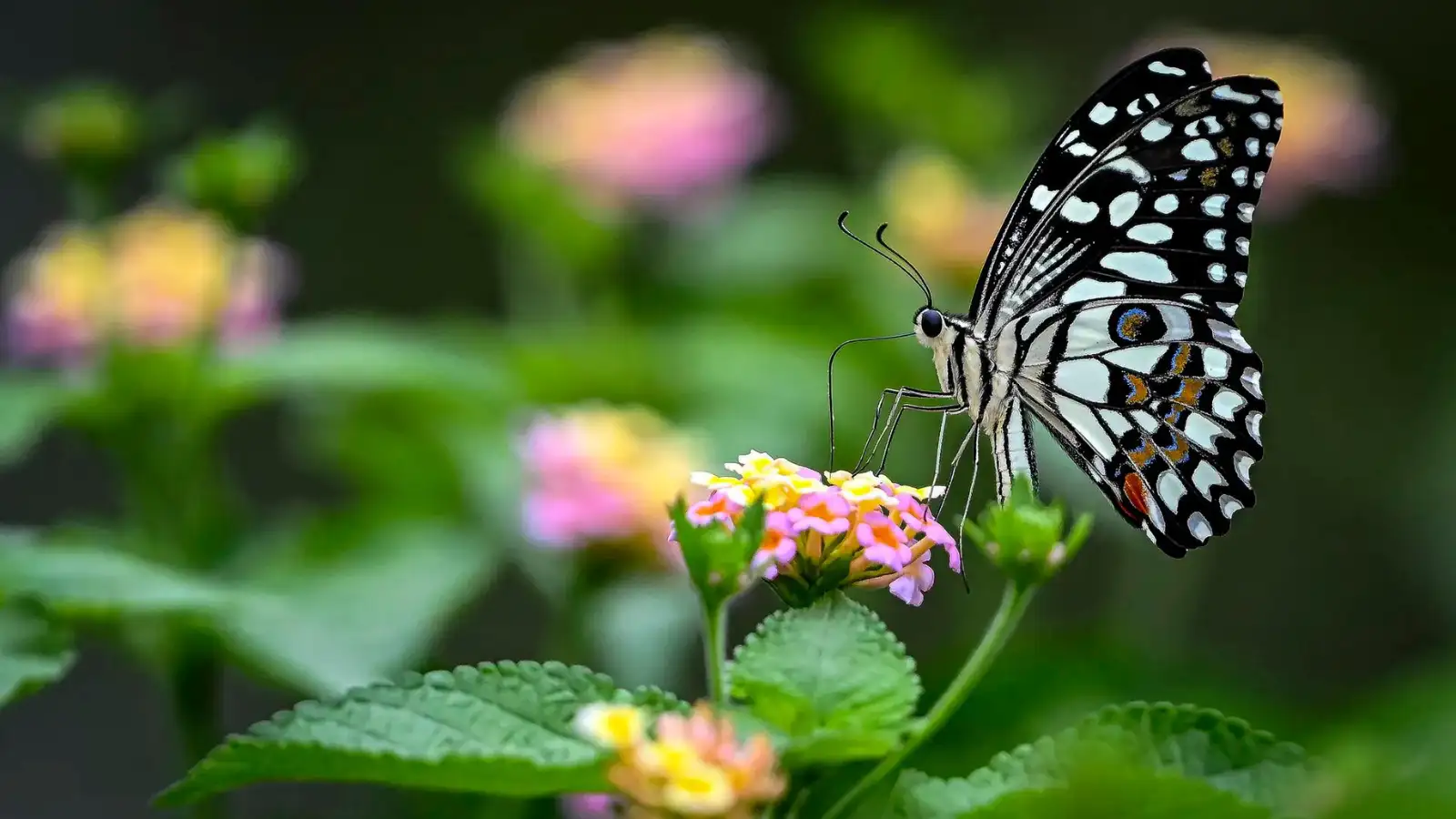
Although bees are often considered the primary pollinators, butterflies complement their work by visiting different flowers and travelling greater distances. Their activity helps maintain plant diversity, which in turn supports insects, birds and mammals that rely on healthy vegetation for food and shelter.
Adult butterflies are also prey for spiders, dragonflies and insect-eating birds. Without butterflies and their caterpillars, many wildlife species would lose an important food source, creating ripple effects throughout the ecosystem.
Butterflies Are Valuable Pollinators
One of the most important ways butterflies support the environment is through pollination. As they move from flower to flower feeding on nectar, pollen sticks to their bodies and is transferred between plants. This process allows many flowering plants to reproduce successfully.Although bees are often considered the primary pollinators, butterflies complement their work by visiting different flowers and travelling greater distances. Their activity helps maintain plant diversity, which in turn supports insects, birds and mammals that rely on healthy vegetation for food and shelter.
They Form an Important Part of the Food Chain
Butterflies contribute to healthy ecosystems at every stage of their lives. Caterpillars provide a rich source of food for birds, reptiles, amphibians and small mammals, particularly during the breeding season when many young birds require protein-rich diets.Adult butterflies are also prey for spiders, dragonflies and insect-eating birds. Without butterflies and their caterpillars, many wildlife species would lose an important food source, creating ripple effects throughout the ecosystem.
Next Story