
How Traditional Clay Pot Cooking Can Transform the Taste and Nutrition of Food

For generations, meals prepared in clay pots were a familiar sight in homes across Asia, Africa and parts of Europe. Before pressure cookers, non-stick pans and electric appliances became common, earthenware cookware was trusted to prepare everything from curries and stews to rice and slow-cooked vegetables. Although modern cookware gradually replaced traditional clay pots, many home cooks and professional chefs are now bringing them back into their kitchens. The renewed interest is not driven by nostalgia alone. Clay pot cooking offers a unique combination of rich flavour, gentle heat distribution and a connection to culinary traditions that have stood the test of time. As people increasingly seek wholesome and mindful cooking methods, this ancient technique is finding new relevance.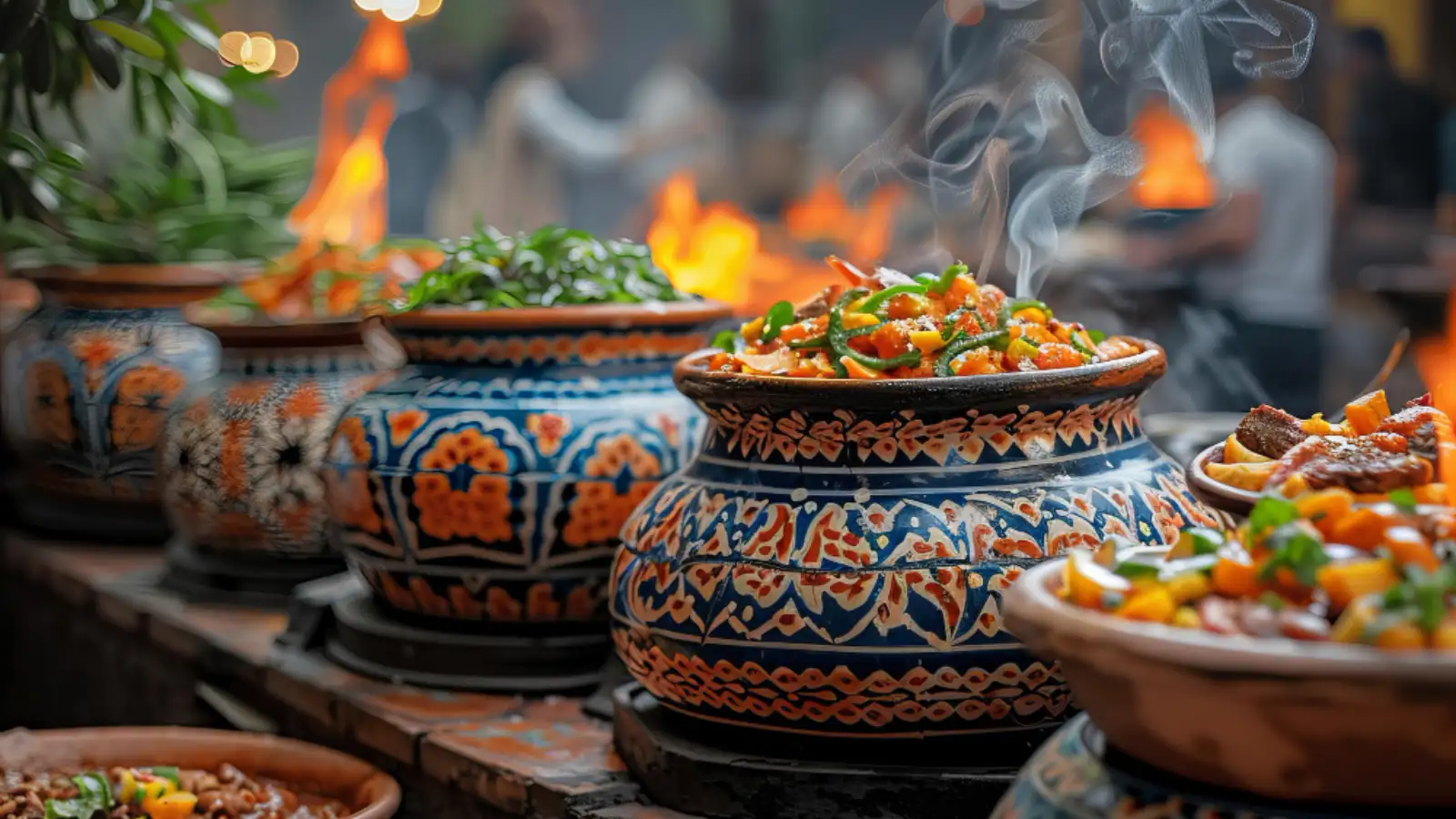
In India, clay pots have long been used to cook dishes such as biryani, dal, curries and slow-simmered vegetables. Different regions developed their own styles of earthen cookware, each designed to suit local recipes and ingredients.
Despite advances in kitchen technology, many traditional recipes continue to recommend clay pots because they produce flavours that are difficult to replicate using modern cookware.
This slow and gentle cooking process allows ingredients to retain moisture while giving spices more time to blend naturally. As a result, curries, soups and stews often develop deeper flavours and richer aromas.
The porous nature of unglazed clay also allows a small amount of steam and air to circulate during cooking, helping create tender textures without drying out the food.
Many chefs believe this natural cooking process enhances the overall eating experience, particularly in slow-cooked recipes.
A Cooking Tradition That Spans Thousands of Years
Clay pots have been used for cooking for more than 10,000 years. Archaeological discoveries from ancient civilisations in India, China, Mesopotamia and Egypt show that earthen cookware played a vital role in preparing daily meals long before metal utensils became widely available.In India, clay pots have long been used to cook dishes such as biryani, dal, curries and slow-simmered vegetables. Different regions developed their own styles of earthen cookware, each designed to suit local recipes and ingredients.
Despite advances in kitchen technology, many traditional recipes continue to recommend clay pots because they produce flavours that are difficult to replicate using modern cookware.
Why Food Tastes Different in a Clay Pot
One of the biggest advantages of clay pot cooking is the way heat is distributed. Unlike metal cookware, which heats up quickly, clay warms gradually and spreads heat more evenly.This slow and gentle cooking process allows ingredients to retain moisture while giving spices more time to blend naturally. As a result, curries, soups and stews often develop deeper flavours and richer aromas.
The porous nature of unglazed clay also allows a small amount of steam and air to circulate during cooking, helping create tender textures without drying out the food.
Many chefs believe this natural cooking process enhances the overall eating experience, particularly in slow-cooked recipes.
Lesser-Known Facts About Clay Pot Cooking
A common belief is that clay pots add minerals directly to food. While unglazed natural clay may release trace amounts of certain minerals, the nutritional contribution is generally very small and should not be considered a significant source of nutrients.Next Story