
The Desert Where Earth Looks Like Mars: Inside Chile’s Otherworldly Atacama

There are places on Earth that look so unfamiliar they could easily be mistaken for another planet. Chile's Atacama Desert is one of them. Stretching across northern Chile, this vast landscape contains rust-coloured rocks, dry valleys, salt flats and barren terrain that strongly resemble images taken from Mars. Some areas receive almost no measurable rainfall, while the combination of extreme dryness, intense sunlight and mineral-rich ground creates an environment unlike almost anywhere else on Earth. The resemblance is more than a visual curiosity. Scientists have used parts of the Atacama as a natural laboratory to investigate how life might survive in the harsh conditions found on Mars.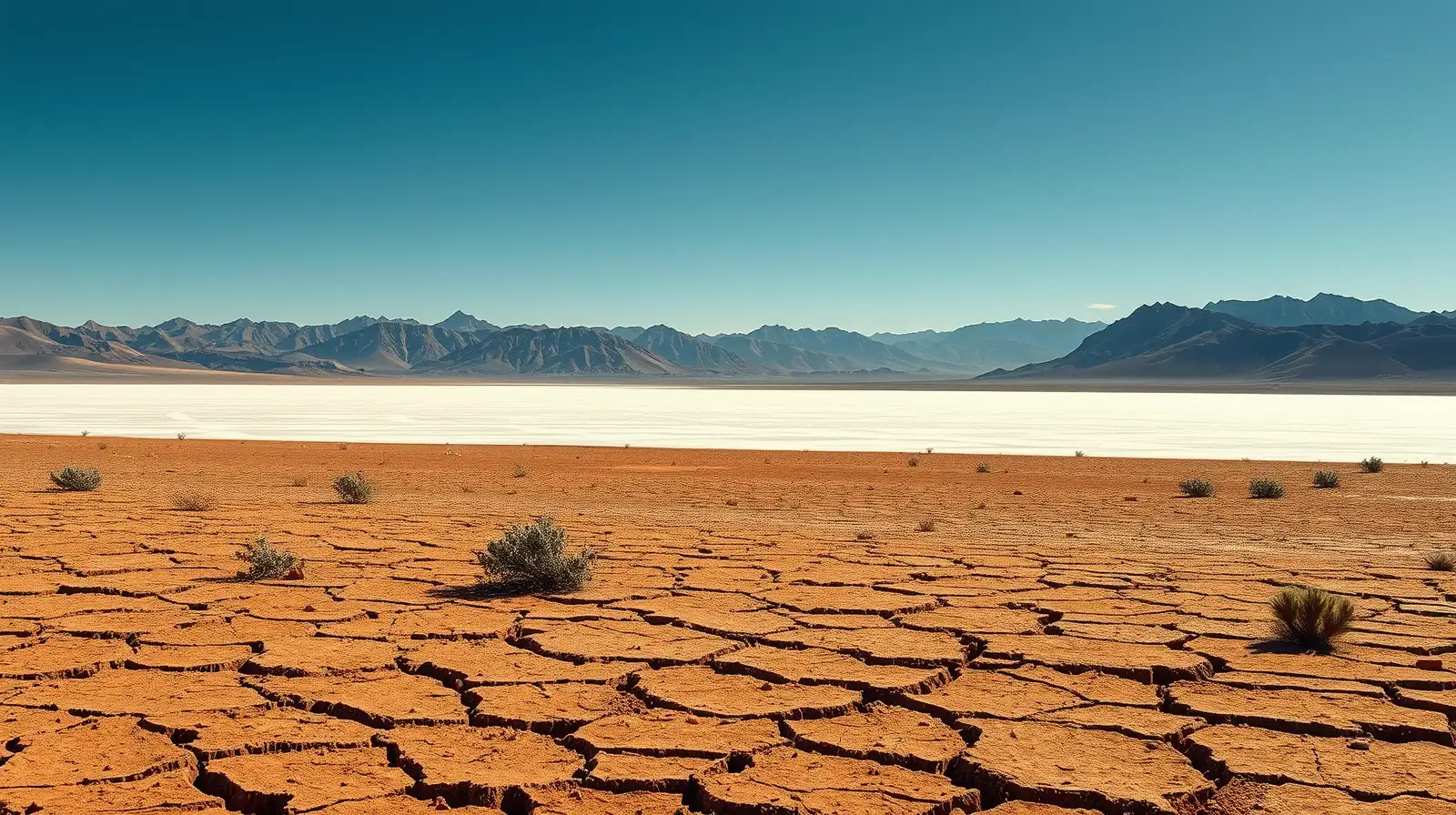
Some parts of the desert receive only tiny amounts of rainfall, while certain areas have recorded no measurable rain for extraordinarily long periods. NASA has described the Atacama as one of the driest environments on Earth and an important analogue for Martian conditions. (nasa.gov)
Iron-rich minerals can give rocks and soil reddish or orange tones, while other areas are dominated by pale salts, volcanic formations and dark stones. With very little plant life breaking up the landscape, the surface can appear remarkably similar to photographs of Mars.
The Atacama also contains landscapes shaped by ancient rivers, volcanic activity and erosion. These geological features provide clues about how dry environments change over extremely long periods.
Researchers have used the desert to test instruments, sampling methods and scientific techniques that could potentially be used on Mars. NASA's work in the region has included experiments examining whether robotic systems can identify signs of biological activity in extremely dry soil. (nasa.gov)
The environment cannot perfectly reproduce Mars, of course. Mars has a much thinner atmosphere, lower temperatures and significantly different chemistry. But the Atacama provides something scientists cannot easily create in a laboratory: a huge natural landscape where life is already pushed towards its limits.
Microorganisms have adapted to survive in highly hostile environments, while some plants appear in places where moisture becomes temporarily available. Certain coastal areas can also experience fog known locally as camanchaca, providing an important source of moisture.
This makes the desert scientifically valuable. It demonstrates that life can persist in places that initially appear almost completely inhospitable.
Facilities such as the European Southern Observatory's Very Large Telescope and the Atacama Large Millimeter/submillimeter Array operate in the region, taking advantage of the high altitude and exceptionally dry atmosphere. (eso.org)
The same dryness that makes the landscape resemble Mars also helps astronomers observe distant objects in space.
For travellers, meanwhile, the desert provides an experience that feels almost unreal. Standing among red rocks and empty valleys beneath an intensely clear sky, it becomes surprisingly easy to understand why scientists use this corner of Chile to think about Mars.
The irony is fascinating. To understand a world millions of kilometres away, researchers sometimes begin by studying one of the strangest places right here on Earth.
One of the Driest Places on Earth
The Atacama occupies a high plateau between the Andes and Chile's coastal mountains. Its extreme dryness is caused by several geographical factors working together, including the rain-shadow effect of the Andes and the cold Humboldt Current along the Pacific coast.Some parts of the desert receive only tiny amounts of rainfall, while certain areas have recorded no measurable rain for extraordinarily long periods. NASA has described the Atacama as one of the driest environments on Earth and an important analogue for Martian conditions. (nasa.gov)
Why the Ground Looks Like Mars
The Martian appearance comes from a combination of colour, geology and almost complete lack of vegetation.Iron-rich minerals can give rocks and soil reddish or orange tones, while other areas are dominated by pale salts, volcanic formations and dark stones. With very little plant life breaking up the landscape, the surface can appear remarkably similar to photographs of Mars.
The Atacama also contains landscapes shaped by ancient rivers, volcanic activity and erosion. These geological features provide clues about how dry environments change over extremely long periods.
A Natural Laboratory for Mars
Scientists are particularly interested in the Atacama because it combines extreme dryness with challenging soil chemistry. In some areas, microorganisms survive despite conditions that make life difficult.Researchers have used the desert to test instruments, sampling methods and scientific techniques that could potentially be used on Mars. NASA's work in the region has included experiments examining whether robotic systems can identify signs of biological activity in extremely dry soil. (nasa.gov)
The environment cannot perfectly reproduce Mars, of course. Mars has a much thinner atmosphere, lower temperatures and significantly different chemistry. But the Atacama provides something scientists cannot easily create in a laboratory: a huge natural landscape where life is already pushed towards its limits.
The Desert Is Not Completely Lifeless
Calling the Atacama a barren wasteland can be misleading. Life does exist there, although it is often difficult to see.Microorganisms have adapted to survive in highly hostile environments, while some plants appear in places where moisture becomes temporarily available. Certain coastal areas can also experience fog known locally as camanchaca, providing an important source of moisture.
This makes the desert scientifically valuable. It demonstrates that life can persist in places that initially appear almost completely inhospitable.
A Landscape That Also Serves Humanity
The Atacama is important for more than planetary science. Its extraordinarily clear, dry skies make northern Chile one of the world's premier locations for astronomical observatories.Facilities such as the European Southern Observatory's Very Large Telescope and the Atacama Large Millimeter/submillimeter Array operate in the region, taking advantage of the high altitude and exceptionally dry atmosphere. (eso.org)
The same dryness that makes the landscape resemble Mars also helps astronomers observe distant objects in space.
Why the Atacama Matters Today
The Atacama offers a remarkable connection between Earth and space science. Its landscapes help researchers understand extreme environments , test planetary exploration technology and investigate the limits of life.For travellers, meanwhile, the desert provides an experience that feels almost unreal. Standing among red rocks and empty valleys beneath an intensely clear sky, it becomes surprisingly easy to understand why scientists use this corner of Chile to think about Mars.
The irony is fascinating. To understand a world millions of kilometres away, researchers sometimes begin by studying one of the strangest places right here on Earth.
Next Story