
Why the Dhoti Is Worn in So Many Different Ways Across India

A single length of cotton or silk, anywhere between four and nine yards, with no cuts and no stitching. That is the dhoti. What changes, from one end of India to the other, is everything about how it is folded, tucked, and worn, and those differences did not happen by accident.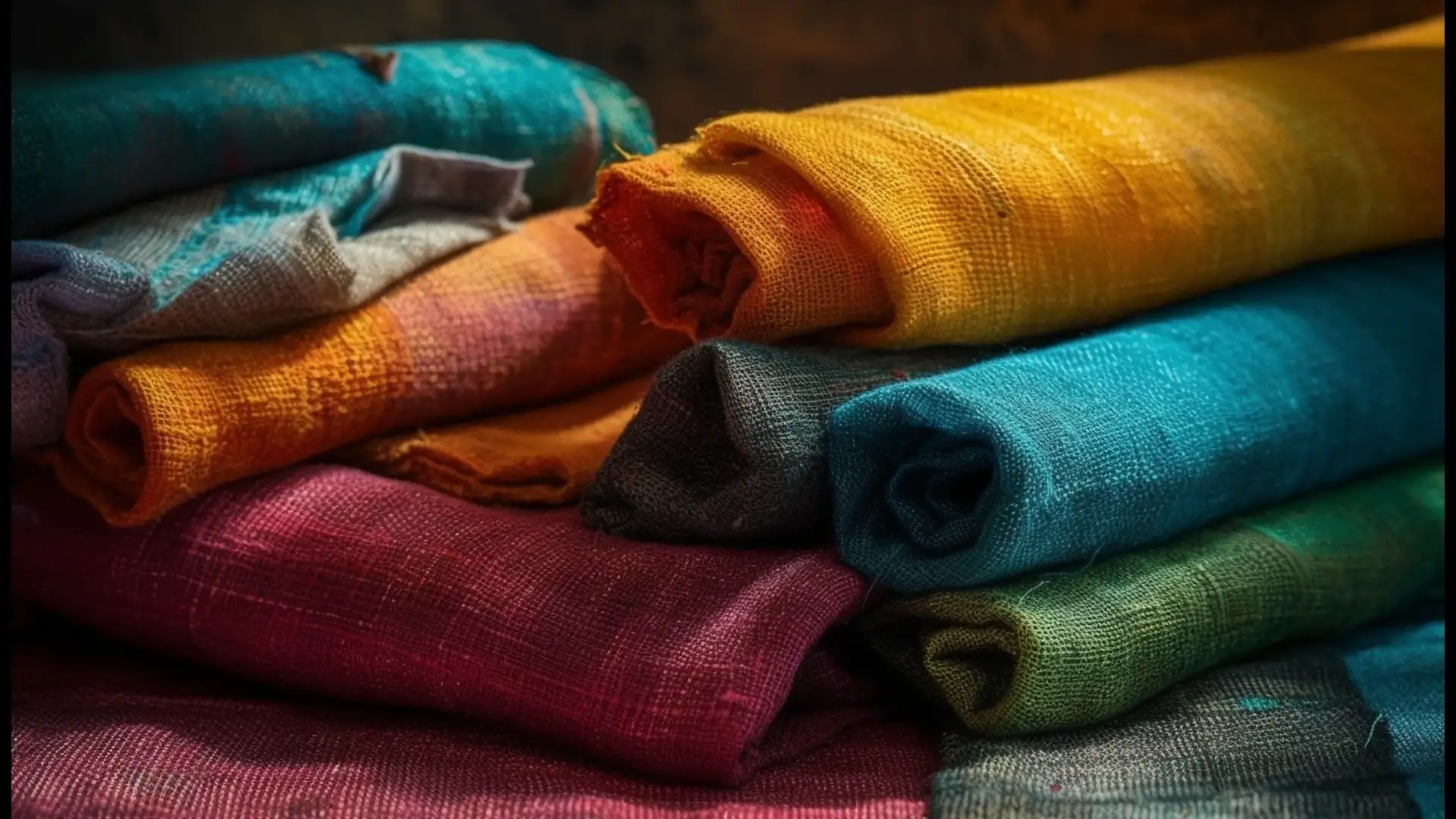
The Cloth Itself Carries the Logic
Unstitched cloth has one quality that stitched clothing does not: it can be adjusted on the body without tools. A dhoti can be loosened for sitting cross-legged in a field or tightened for walking a long distance. It can be rewrapped at a river ghat after a bath. This adaptability is why it survived across climates and occupations for so long, and it is also why regional styles diverged, each community shaped the wrap around what its daily life actually demanded.The South: Long, Open, and Layered
In Tamil Nadu and Kerala, the dhoti, called veshti or mundu, is typically worn long, falling to the ankle, with the loose end draped over the shoulder or tucked at the waist. The style keeps the legs covered, which matters in temple settings where entering a sanctum requires a specific form of dress. In Kerala, the double mundu is worn with both ends folded up to the waist for work and let down for ceremony. The same garment, two positions, two meanings. The Kasavu mundu, with its gold border, marks the formal version, the border itself signals occasion without a word spoken.The West and the Pancha Style
In Maharashtra, the traditional style pulls the dhoti between the legs and tucks it at the back, creating a silhouette that looks almost like a divided skirt. This is the pancha or kachcha style, and it has a straightforward origin: it keeps the fabric away from the legs while working in fields, climbing, or moving quickly. The Maratha warrior tradition prized mobility, and the drape reflects that. A Brahmin priest in Pune and a farmer in Vidarbha might both wear a dhoti, but the way they tie it marks entirely different histories.The East: Ceremony and the Groom's Drape
In West Bengal, the dhoti takes on its most ceremonially elaborate form during weddings and pujas. The Bengali dhoti is typically five yards of fine cotton or silk, and the groom's version involves a series of pleats fanned out at the front and a long decorative tail left to hang. The pleating is not decorative in origin, it keeps extra fabric controlled during the sitting, standing, and circumambulating that a long ritual demands. In Odisha, the style shifts again, with the cloth wrapped more simply but with a distinct regional tuck that locals can read at a glance.The North: The Shorter Wrap and the Dhoti-Kurta Pair
Across Uttar Pradesh, Bihar, and Rajasthan, the dhoti is often worn shorter, above the ankle, and paired with a kurta as a single outfit. The North Indian style tends toward fewer pleats and a simpler tuck, partly because the pairing with a long kurta covers what the drape leaves open, and partly because the climate and the pace of movement in the Gangetic plains shaped a more practical wrap. In Bihar, the dhoti remains everyday wear for older men in ways it no longer is in many cities, and the style there has a directness, functional, undecorated, tied quickly.What the Variations Actually Tell You
Each regional style is a record of what that community needed from a piece of cloth, how much leg freedom, how much coverage, how formal the occasion, how long the ceremony. Caste, occupation, climate, and ritual all left their mark on the fold. The dhoti did not splinter into regional styles because people disagreed about beauty. It adapted because the same garment was being asked to do different things in different lives. The cloth stayed the same. The life around it changed the shape.Next Story