
Why Cake Decoration Became a Symbol of Happiness, Love, and Celebration

A beautifully decorated cake is often the centre of attention at birthdays, weddings, anniversaries, and countless other celebrations. The colourful icing, candles, flowers, and personalised designs make a cake feel much more special than an ordinary dessert. But cake decoration is not only about making food look attractive. It carries centuries of history, cultural meaning, and emotional value. From ancient rituals to modern customised designs, decorated cakes have become a symbol of joy, togetherness, and important life moments. Behind every layer of frosting is a story about how humans use food to celebrate memories and create shared experiences.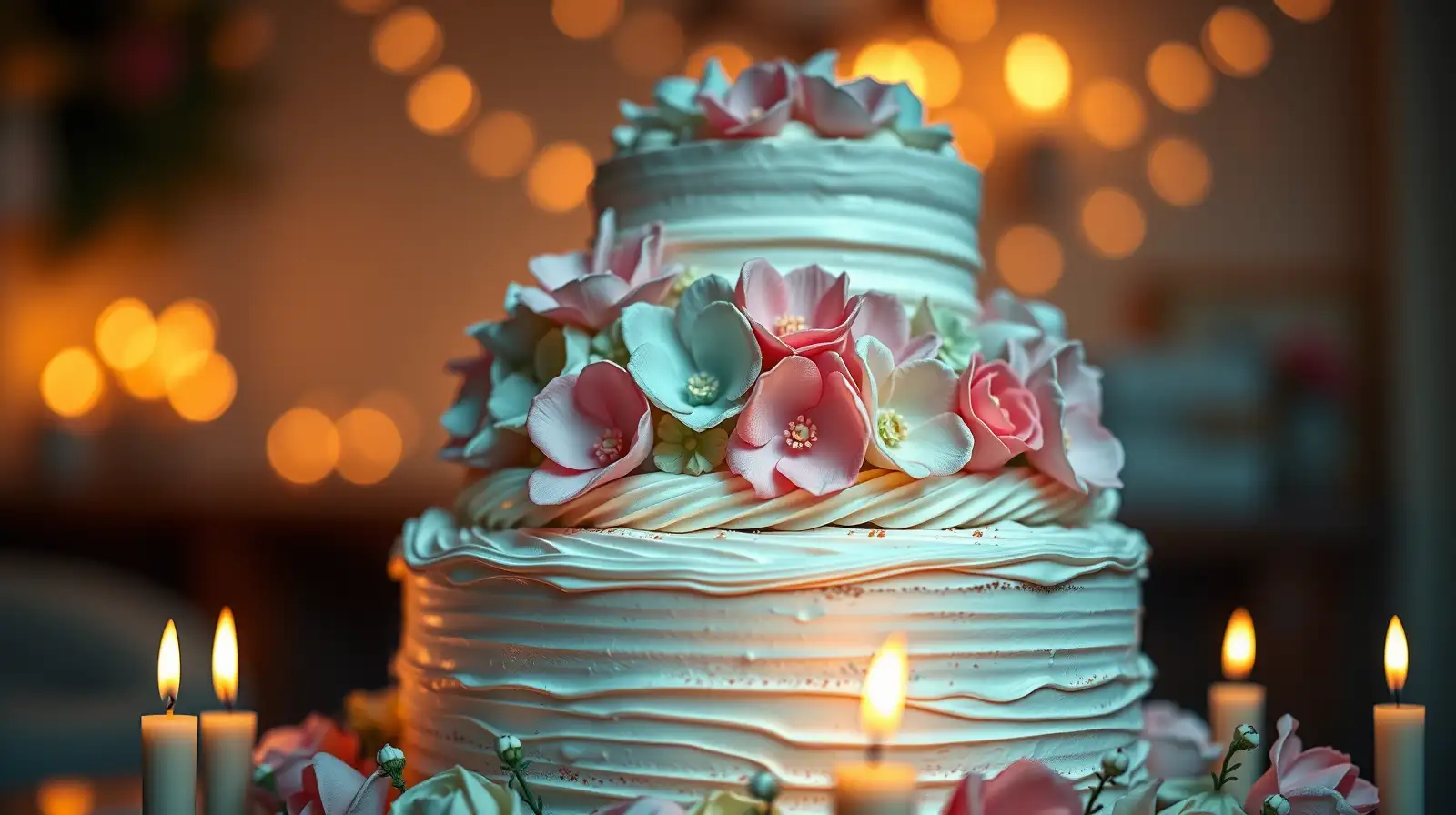
Over time, baking techniques improved, and cakes became softer, sweeter, and more suitable for celebrations. As ingredients such as sugar and refined flour became more available, decoration became an important part of cake-making.
A birthday cake with a person’s favourite colours, hobbies, or characters makes the celebration feel more personal. Wedding cakes often include elegant designs that represent love, commitment, and the couple’s shared journey.
The decoration transforms a simple dessert into a meaningful centrepiece.
By the 19th and 20th centuries, improvements in sugar production and baking technology made decorated cakes available to more people. Eventually, cake decoration became a creative art form enjoyed by professional bakers and home cooks alike.
Today, candles, toppers, edible flowers, and personalised messages all contribute to the emotional experience of sharing a cake.
The tradition continues because cakes represent more than sweetness. They represent memories, relationships, and moments people want to remember. A decorated cake is not simply a dessert placed on a table; it is a visual expression of happiness shared among people. Every design, colour, and candle helps turn an ordinary day into a celebration worth remembering.
Why People Decorate Cakes During Celebrations
Cakes Were Once Simple Foods
The earliest versions of cakes were very different from the sweet, decorated creations people enjoy today. Ancient civilisations made simple baked goods using grains, honey, and nuts. These early cakes were often connected with religious ceremonies, festivals, or special occasions rather than everyday eating.Over time, baking techniques improved, and cakes became softer, sweeter, and more suitable for celebrations. As ingredients such as sugar and refined flour became more available, decoration became an important part of cake-making.
Decorations Make Special Moments Feel Unique
One of the biggest reasons people decorate cakes is because appearance adds emotional value. A plain cake can taste delicious, but a carefully designed cake tells a story.A birthday cake with a person’s favourite colours, hobbies, or characters makes the celebration feel more personal. Wedding cakes often include elegant designs that represent love, commitment, and the couple’s shared journey.
You may also like
- Understanding Beauty Parlor Stroke Syndrome: Risks and Precautions
- New Toll Tax Update: Residents living within a 20 km radius will no longer have to pay the toll repeatedly..
- Passenger goes to court over a shortfall of just ₹5 in refund; Railways fined ₹10,000..
- A major railway gift for Rajasthan! The Lalgarh-Sabarmati Express could be flagged off on June 21..
- Railways Rules: How long can you stay at the station with a confirmed ticket? Know the essential railway rules..
The decoration transforms a simple dessert into a meaningful centrepiece.
The History Behind Frosting and Fancy Designs
Decorative icing became more popular in Europe, especially among wealthy families who had access to expensive ingredients such as sugar. In the past, elaborate cakes were often symbols of status because creating detailed designs required skilled bakers and costly materials.By the 19th and 20th centuries, improvements in sugar production and baking technology made decorated cakes available to more people. Eventually, cake decoration became a creative art form enjoyed by professional bakers and home cooks alike.
Candles and Cake Traditions Add More Meaning
Cake decorations often include elements beyond icing. Candles, for example, became strongly associated with birthdays and wishes. The tradition of blowing out candles is believed to have connections with old European customs where people made wishes during celebrations.Today, candles, toppers, edible flowers, and personalised messages all contribute to the emotional experience of sharing a cake.
Why Cake Decoration Still Matters Today
In the modern world, decorated cakes have become a way to express creativity and celebrate individuality. Social media has also transformed cake design, with bakers creating highly detailed artistic cakes that look almost too beautiful to eat.The tradition continues because cakes represent more than sweetness. They represent memories, relationships, and moments people want to remember. A decorated cake is not simply a dessert placed on a table; it is a visual expression of happiness shared among people. Every design, colour, and candle helps turn an ordinary day into a celebration worth remembering.






More from our partners


Loving Newspoint? Download the app now
