
The Emotional Waves of Labour: How Feelings Can Affect the Birth Experience


Labour unfolds in phases, each with its own emotional rhythm that can differ from person to person. Many assume childbirth is purely physical, but the emotional landscape varies widely. Hormones, environment, support, and inner safety influence how your body progresses. Understanding this variability can help you feel more prepared and confident in your unique experience.
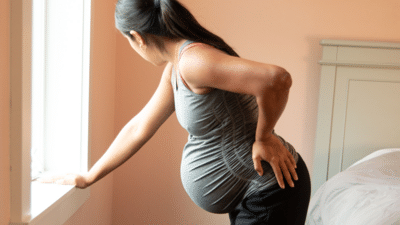
Your emotional energy shifts naturally as your body moves through early labour, active labour, and the final stages before birth. Recognising these shifts can help you feel more confident and in control of your experience, knowing they are a regular part of labour that influence how your muscles respond and how your hormones flow.
How Emotions Influence Labour Hormones
Hormones guide labour from start to finish, and emotions play a key role in regulating them. When you feel safe, calm, and supported, your body produces oxytocin, which helps contractions become regular and adequate. This understanding can empower you to foster emotional safety, making you feel more capable of positively influencing your labour.
Early Labour: Excitement, Interest, and a Little Bit of Nerves
A gentle mix of excitement and caution often accompanies early labour. You might be excited to meet your baby finally, but you might also be curious about how things will go. These feelings are normal and help your body get ready for the more active times ahead. This emotional phase has an effect on your body in the following ways:

Active Labour: Focus, Strength, and Intensity
When active labour starts, the emotional energy changes from light excitement to deep focus. It is the point at which contractions get stronger and occur more often. Many people go into a focused, inward state of mind during this time, often called "labour zone energy." This phase changes how your mind and body react:
Transitional Phase: Vulnerability, Strength, and Emotional Release
The transitional phase is often one of the most emotional stages of labour. It is the moment when contractions reach their peak intensity, and the body prepares for birth. Many people experience emotional release through crying, shaking, or expressing doubt, and these reactions are entirely normal.
Emotional shifts you can watch out for:
How Emotional Support Affects the Progression of WorkHaving a supportive partner or friend has a significant impact on how emotionally comfortable you feel. When you feel emotionally safe, your anxiety and adrenaline go down, and your body works better. This emotional protection helps the flow between your mind and body. Here are some ways that a supportive presence can affect your work:
How Fear and Stress Can Affect Labour Flow
It is normal to feel fear or uncertainty at times during labour. These emotions can temporarily slow labour if they become overwhelming. Stress increases adrenaline, which can interfere with oxytocin, the hormone responsible for contractions. Here are the possible effects on the body:
Understanding these patterns helps you respond with more kindness and awareness toward yourself during labour. Recognising fear allows you to take supportive steps such as slow breathing, changing positions, or receiving reassurance from your partner.
Being Mindful & Emotionally Grounded During Labour
Mindfulness helps you stay emotionally stable, which helps your body stay in its natural rhythm. Focusing on simple grounding techniques, such as slow breathing or visualisation, can help you feel more hopeful and ready to ride emotional waves. It can help you feel less overwhelmed and more relaxed.
How Your Environment Affects Emotional Energy During Labour
Your surroundings influence how safe and supported you feel. A calm environment helps your emotional energy shift in ways that encourage steady labour. Here’s how the environment shapes your labour response:
Emotional energy during labour is a natural and powerful part of the birth journey. Your feelings shift from excitement to focus, to intensity and release, and each emotional wave influences how your body progresses. When your emotional landscape is supported, your body responds with smoother contractions, deeper breathing, and a more balanced hormonal system.
Understanding the mind-body connection helps you feel more prepared, more confident, and more connected to your birth experience. Recognising these emotional shifts allows you to work with your body, not against it, giving you strength, clarity, and reassurance as you welcome your baby.
Whether you’re pregnant, a new mom, or navigating postpartum, you don’t have to do it alone. Join oursupport group to connect, share, and support one another.
FAQs on Emotional Energy Shifts During Labour — A Mind-Body Connection
Do emotional shifts during labour affect physical progress?
Yes. Emotional changes influence hormones, breathing patterns, and muscle tension, all of which play a role in how smoothly labour progresses. Is it normal to feel overwhelmed or emotional during labour?
Absolutely. Emotional release is a natural part of labour and often supports the body’s transition into the final stages of birth.Can emotional support make it easier to deal with labour?
Yes. When you feel emotionally safe, your stress and tension go down, which helps your body maintain steady contractions and makes the birth go more smoothly.
Your emotional energy shifts naturally as your body moves through early labour, active labour, and the final stages before birth. Recognising these shifts can help you feel more confident and in control of your experience, knowing they are a regular part of labour that influence how your muscles respond and how your hormones flow.
How Emotions Influence Labour Hormones
Hormones guide labour from start to finish, and emotions play a key role in regulating them. When you feel safe, calm, and supported, your body produces oxytocin, which helps contractions become regular and adequate. This understanding can empower you to foster emotional safety, making you feel more capable of positively influencing your labour.
- Your contractions become more organised when you feel emotionally supported because oxytocin flows more steadily.
- When your endorphin levels go up, your body can handle stress better, which helps ease pain naturally.
- If you keep your emotions in check rather than getting stressed or overwhelmed, your labour may go more smoothly.
Early Labour: Excitement, Interest, and a Little Bit of Nerves
A gentle mix of excitement and caution often accompanies early labour. You might be excited to meet your baby finally, but you might also be curious about how things will go. These feelings are normal and help your body get ready for the more active times ahead. This emotional phase has an effect on your body in the following ways:
- Your breathing stays steady because your mind stays calm, which helps your body naturally produce oxytocin.
- Your contractions may be easier to deal with because you are calm.
- Restful movements, slow breathing, and your partner's reassuring words are all suitable for your body.
Active Labour: Focus, Strength, and Intensity
When active labour starts, the emotional energy changes from light excitement to deep focus. It is the point at which contractions get stronger and occur more often. Many people go into a focused, inward state of mind during this time, often called "labour zone energy." This phase changes how your mind and body react:
- Your body uses your emotional focus to help you stay grounded during each contraction.
- Your breathing becomes more purposeful as you work with your body rather than against it.
- Your mind may become quieter as your body fully engages in the labour rhythm.
Transitional Phase: Vulnerability, Strength, and Emotional Release
The transitional phase is often one of the most emotional stages of labour. It is the moment when contractions reach their peak intensity, and the body prepares for birth. Many people experience emotional release through crying, shaking, or expressing doubt, and these reactions are entirely normal.
Emotional shifts you can watch out for:
- Your body prepares for the pushing stage, and emotional intensity helps your mind surrender to the process.
- Your body releases a surge of hormones that support the final stretch of labour.
- Letting go of your emotions helps ease physical tension, allowing the body to open up and move forward.
How Emotional Support Affects the Progression of WorkHaving a supportive partner or friend has a significant impact on how emotionally comfortable you feel. When you feel emotionally safe, your anxiety and adrenaline go down, and your body works better. This emotional protection helps the flow between your mind and body. Here are some ways that a supportive presence can affect your work:
- When you feel safe, your breathing tends to be steadier.
- Your contractions remain in a healthy rhythm because your adrenaline levels remain low.
- Emotional comfort helps reduce fear, making your body feel less tense.
How Fear and Stress Can Affect Labour Flow
It is normal to feel fear or uncertainty at times during labour. These emotions can temporarily slow labour if they become overwhelming. Stress increases adrenaline, which can interfere with oxytocin, the hormone responsible for contractions. Here are the possible effects on the body:
- Your contractions may space out if adrenaline rises suddenly.
- Your body may tighten, making it harder to relax between surges.
- Your breathing may quicken, which can increase tension and affect energy levels.
Understanding these patterns helps you respond with more kindness and awareness toward yourself during labour. Recognising fear allows you to take supportive steps such as slow breathing, changing positions, or receiving reassurance from your partner.
Being Mindful & Emotionally Grounded During Labour
Mindfulness helps you stay emotionally stable, which helps your body stay in its natural rhythm. Focusing on simple grounding techniques, such as slow breathing or visualisation, can help you feel more hopeful and ready to ride emotional waves. It can help you feel less overwhelmed and more relaxed.
- You can focus on slow, deep breathing that guides your body into a calmer state.
- You can use visualisation or calming images to reduce fear and stay centred.
- You can focus on physical sensations rather than worries to remain grounded.
How Your Environment Affects Emotional Energy During Labour
Your surroundings influence how safe and supported you feel. A calm environment helps your emotional energy shift in ways that encourage steady labour. Here’s how the environment shapes your labour response:
- Your body relaxes more easily when the lights are dim and the noise is minimal.
- Your emotional comfort increases when you have familiar items such as a soft cloth, music, or scents.
- Your contractions feel easier to cope with when the space feels peaceful and private.
Emotional energy during labour is a natural and powerful part of the birth journey. Your feelings shift from excitement to focus, to intensity and release, and each emotional wave influences how your body progresses. When your emotional landscape is supported, your body responds with smoother contractions, deeper breathing, and a more balanced hormonal system.
Understanding the mind-body connection helps you feel more prepared, more confident, and more connected to your birth experience. Recognising these emotional shifts allows you to work with your body, not against it, giving you strength, clarity, and reassurance as you welcome your baby.
Whether you’re pregnant, a new mom, or navigating postpartum, you don’t have to do it alone. Join our
FAQs on Emotional Energy Shifts During Labour — A Mind-Body Connection
Yes. Emotional changes influence hormones, breathing patterns, and muscle tension, all of which play a role in how smoothly labour progresses.
Absolutely. Emotional release is a natural part of labour and often supports the body’s transition into the final stages of birth.
Yes. When you feel emotionally safe, your stress and tension go down, which helps your body maintain steady contractions and makes the birth go more smoothly.
Next Story