
Why Do Some Flowers Bloom Only at Night? The Science Behind Nature's Night Shift

As the sun sets and most gardens begin to fade into darkness, a remarkable transformation quietly takes place. While many flowers fold their petals and prepare for the night, others do exactly the opposite. They open only after dusk, filling the air with powerful fragrances and revealing delicate blooms that remain hidden during the day. These night-blooming flowers have evolved over millions of years to survive in unique environments and attract a completely different group of pollinators. Their unusual behaviour is not a coincidence but a clever survival strategy that highlights the extraordinary adaptability of the natural world.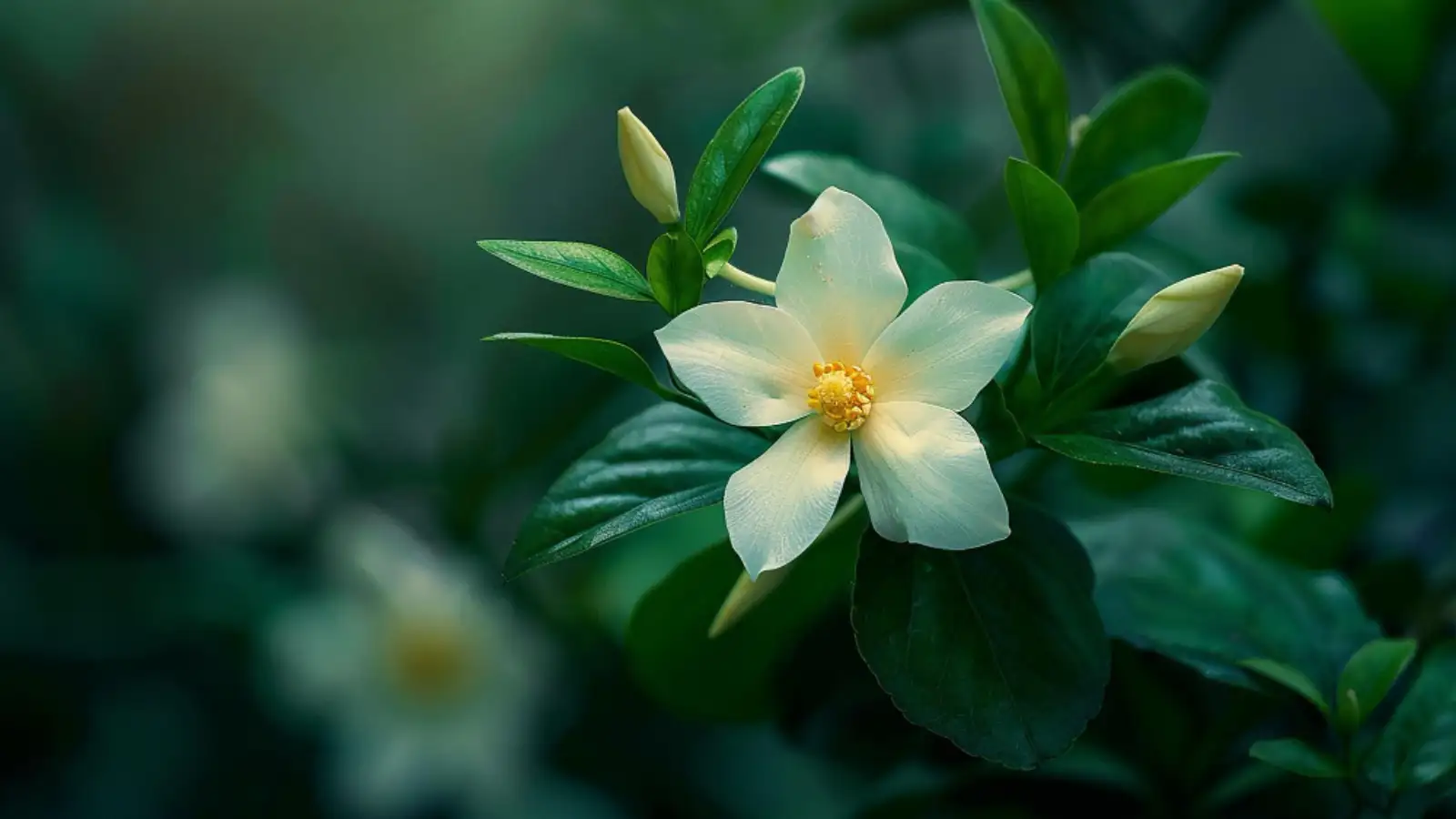
Many of these plants are found in warm or desert regions, where daytime temperatures can be extremely high. Opening their flowers at night helps reduce water loss through evaporation, allowing them to conserve precious moisture while still reproducing successfully.
These flowers often have large, pale petals that are easier to spot under moonlight. White or cream-coloured blooms reflect available light more effectively, making them visible even in low-light conditions. Equally important is their strong fragrance, which guides pollinators from surprisingly long distances.
Some famous examples include the moonflower , night-blooming jasmine and queen of the night cactus. Certain species bloom for just a single evening before the flowers fade by sunrise, making their appearance both brief and spectacular.
Interestingly, artificial lighting in urban areas can sometimes interfere with this relationship. Bright streetlights may confuse nocturnal insects, reducing pollination and affecting the long-term survival of certain flowering plants.
Some researchers are now studying these interactions to better understand how changing environments influence plant reproduction and biodiversity.
Gardeners are also increasingly planting night-flowering species to encourage biodiversity and create evening gardens filled with natural fragrance. As cities continue to expand, protecting habitats for both these flowers and their pollinators is becoming increasingly important.
Why Do Some Flowers Bloom Only at Night?
Night-blooming flowers have developed a fascinating way of thriving in habitats where daytime conditions are less favourable. Instead of competing with countless daytime flowers for the attention of bees and butterflies, they bloom after sunset when nocturnal pollinators become active.Many of these plants are found in warm or desert regions, where daytime temperatures can be extremely high. Opening their flowers at night helps reduce water loss through evaporation, allowing them to conserve precious moisture while still reproducing successfully.
The Role of Night-Time Pollinators
One of the biggest reasons some flowers bloom only at night is to attract creatures that are active after dark. Moths, particularly hawk moths, are among the most important pollinators of night-blooming plants. In tropical regions, nectar-feeding bats also play a significant role.These flowers often have large, pale petals that are easier to spot under moonlight. White or cream-coloured blooms reflect available light more effectively, making them visible even in low-light conditions. Equally important is their strong fragrance, which guides pollinators from surprisingly long distances.
You may also like
- Income Tax Return: Don't delay filing your return; PhonePe and Jio Finance are offering the service for ₹24..
- EPFO: Have you forgotten the details of an old EPF account? EPFO's new service history feature will help..
- Health Insurance: Don't panic if your health insurance claim gets rejected; follow these 5 steps to get your money back..
- Post Office Scheme: Deposit ₹15 lakh in the Post Office, and ₹9,250 will be credited to your account every month..
- Home Cleaning Tips: Most bacteria are hidden in this corner of the house. Do you know how to clean it?
Nature's Clever Timing
The opening and closing of flowers are controlled by an internal biological clock known as the circadian rhythm . This natural timing system responds to changes in light and temperature, ensuring that flowers bloom when their preferred pollinators are most active.Some famous examples include the moonflower , night-blooming jasmine and queen of the night cactus. Certain species bloom for just a single evening before the flowers fade by sunrise, making their appearance both brief and spectacular.
Surprising Facts About Night-Blooming Flowers
Scientists have discovered that many night-blooming flowers produce higher concentrations of scent compounds than daytime flowers. Since visibility is limited after dark, fragrance becomes their primary method of attracting pollinators.Interestingly, artificial lighting in urban areas can sometimes interfere with this relationship. Bright streetlights may confuse nocturnal insects, reducing pollination and affecting the long-term survival of certain flowering plants.
Some researchers are now studying these interactions to better understand how changing environments influence plant reproduction and biodiversity.
Why It Matters Today
Night-blooming flowers are more than just beautiful additions to gardens. They support ecosystems by providing food for moths, bats and other nocturnal wildlife that are often overlooked in conservation efforts.Gardeners are also increasingly planting night-flowering species to encourage biodiversity and create evening gardens filled with natural fragrance. As cities continue to expand, protecting habitats for both these flowers and their pollinators is becoming increasingly important.






Loving Newspoint? Download the app now
