
Why Do Some Flowers Bloom Only at Night? The Science Behind Nature's Night Shift

As the sun sets and most gardens begin to fade into darkness, a remarkable transformation quietly takes place. While many flowers fold their petals and prepare for the night, others do exactly the opposite. They open only after dusk, filling the air with powerful fragrances and revealing delicate blooms that remain hidden during the day. These night-blooming flowers have evolved over millions of years to survive in unique environments and attract a completely different group of pollinators. Their unusual behaviour is not a coincidence but a clever survival strategy that highlights the extraordinary adaptability of the natural world.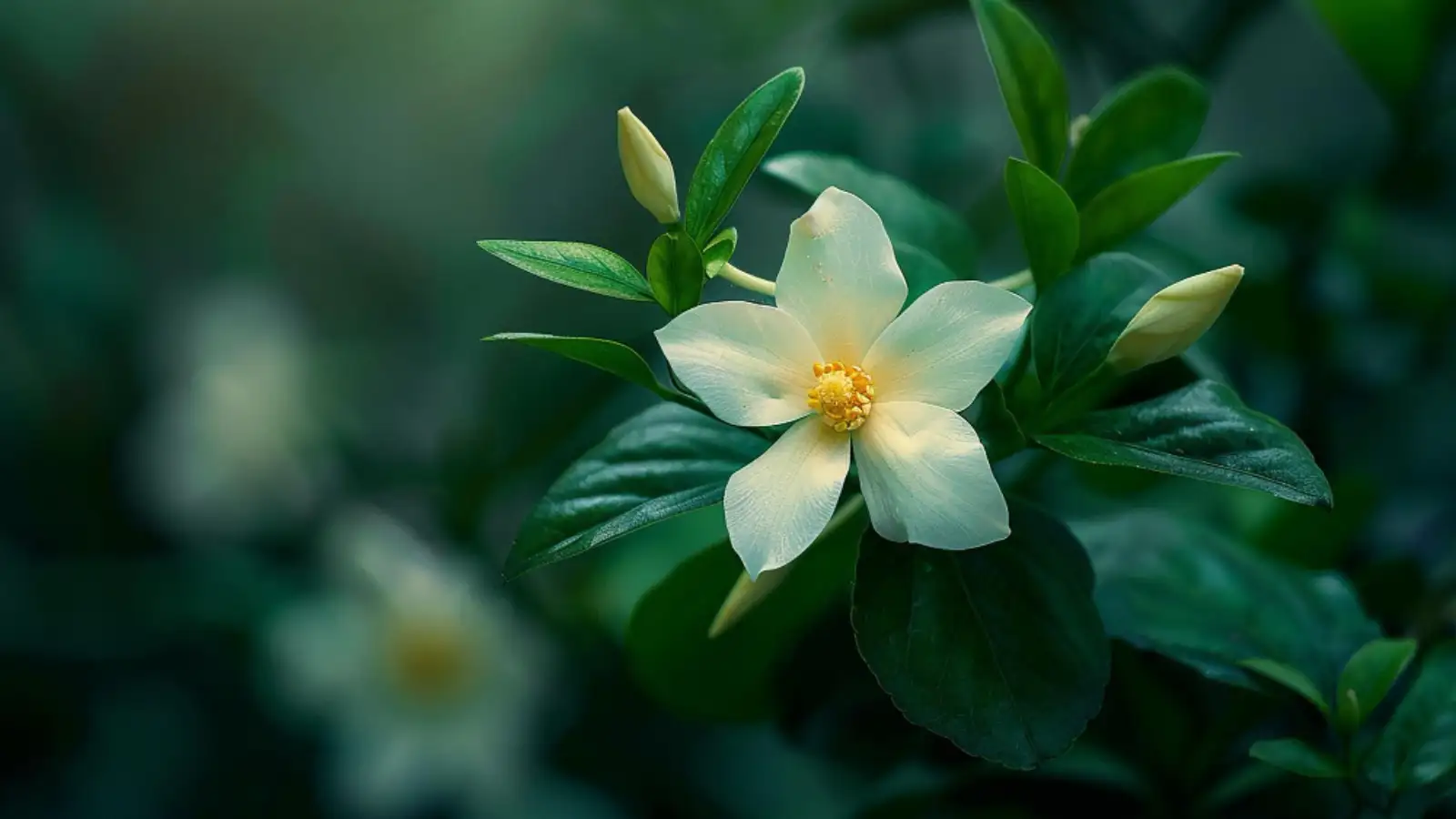
Many of these plants are found in warm or desert regions, where daytime temperatures can be extremely high. Opening their flowers at night helps reduce water loss through evaporation, allowing them to conserve precious moisture while still reproducing successfully.
These flowers often have large, pale petals that are easier to spot under moonlight. White or cream-coloured blooms reflect available light more effectively, making them visible even in low-light conditions. Equally important is their strong fragrance, which guides pollinators from surprisingly long distances.
Why Do Some Flowers Bloom Only at Night?
Night-blooming flowers have developed a fascinating way of thriving in habitats where daytime conditions are less favourable. Instead of competing with countless daytime flowers for the attention of bees and butterflies, they bloom after sunset when nocturnal pollinators become active.Many of these plants are found in warm or desert regions, where daytime temperatures can be extremely high. Opening their flowers at night helps reduce water loss through evaporation, allowing them to conserve precious moisture while still reproducing successfully.
The Role of Night-Time Pollinators
One of the biggest reasons some flowers bloom only at night is to attract creatures that are active after dark. Moths, particularly hawk moths, are among the most important pollinators of night-blooming plants. In tropical regions, nectar-feeding bats also play a significant role.These flowers often have large, pale petals that are easier to spot under moonlight. White or cream-coloured blooms reflect available light more effectively, making them visible even in low-light conditions. Equally important is their strong fragrance, which guides pollinators from surprisingly long distances.
Next Story