
How Bees Help Grow the Fruits, Vegetables and Nuts We Enjoy

Most people notice bees buzzing through gardens, parks and fields without realising how important they are to the food we eat every day. These small insects perform one of nature's most valuable jobs: pollination. As bees move from flower to flower collecting nectar and pollen, they help plants reproduce by transferring pollen between blossoms. Without this process, many crops would struggle to produce fruit, vegetables, nuts and seeds. From apples and almonds to cucumbers and strawberries, a surprising amount of our food depends on bees. As bee populations face growing challenges around the world, understanding their role has never been more important.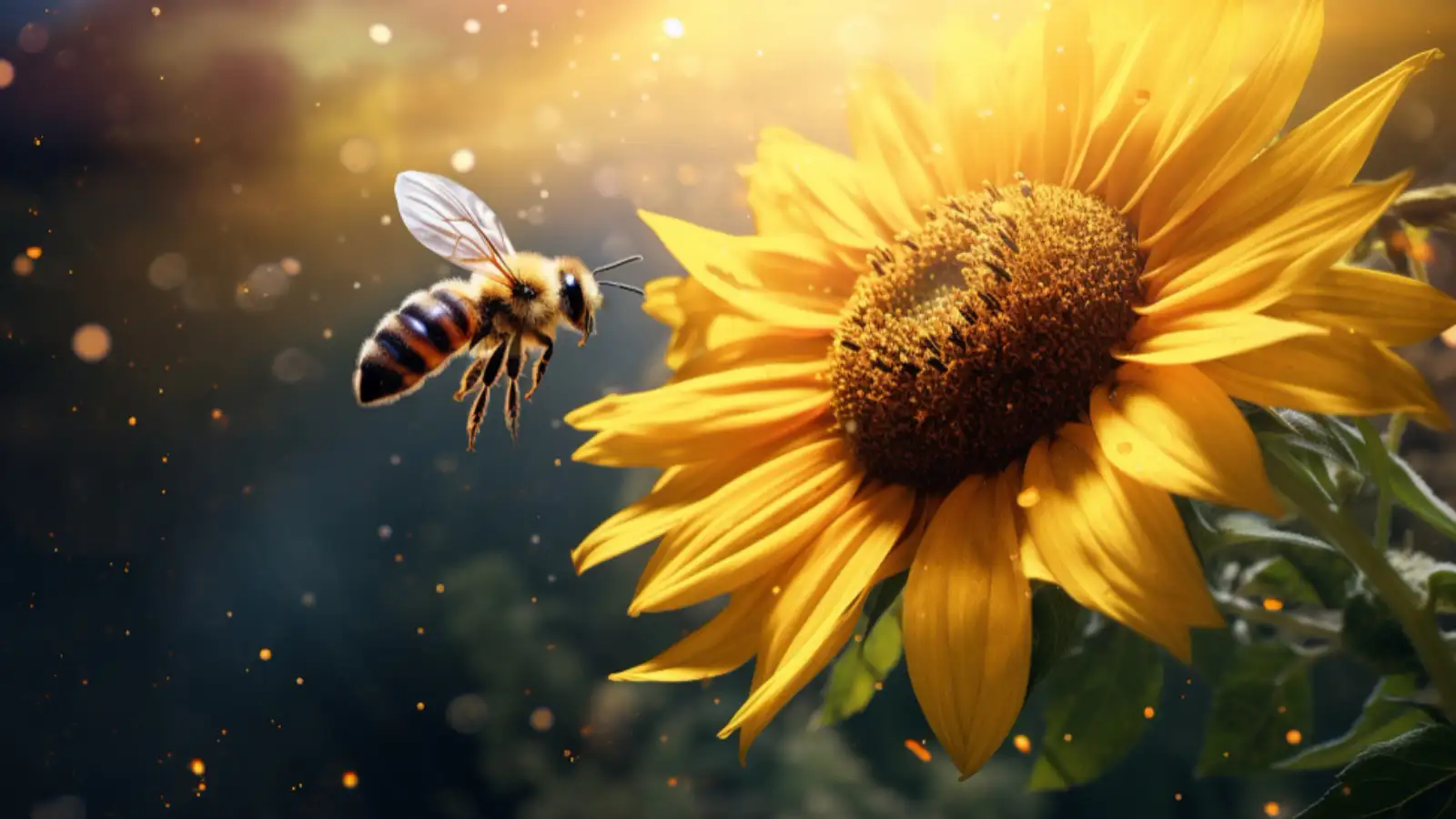
When a bee lands on a flower, pollen sticks to its body. As it visits other flowers, some of that pollen is transferred, allowing plants to develop fruits and seeds. This natural process is essential for many agricultural crops.
Farmers rely on bees for the pollination of numerous foods, including:
Blueberries
Almonds
Pumpkins
Cucumbers
Strawberries
Avocados
Sunflower seeds
Some crops, such as almonds, depend heavily on bee pollination for commercial production. In large almond-growing regions, millions of bees are transported to orchards each year to help trees produce nuts.
Without enough pollinators, harvests can become smaller, less reliable and more expensive to produce.
According to international agricultural organisations, pollinators support crops worth billions of pounds globally each year. Their work helps maintain food supplies, supports farming livelihoods and keeps many fruits and vegetables available in supermarkets.
One lesser-known fact is that bees improve not only the quantity of crops but often their quality as well. Better pollination can lead to larger fruits, more uniform produce and higher yields for farmers.
In many ways, bees act as unpaid agricultural workers, quietly supporting food production on a massive scale.
Several factors are believed to contribute to this trend, including:
Reduced biodiversity in agricultural landscapes
When bee numbers fall, pollination becomes less efficient. This can affect crop production and potentially increase food costs. Wild plants that depend on pollinators may also decline, which can impact birds, insects and other wildlife that rely on those plants for food and shelter.
The health of bees is closely connected to the health of entire ecosystems.
Many wildflowers, trees and shrubs depend on pollinators to reproduce. These plants provide habitat for countless species and help maintain healthy landscapes. In cities, gardens filled with bee-friendly flowers can support local pollinator populations while making neighbourhoods greener and more attractive.
Even small actions can help. Planting native flowers, reducing unnecessary pesticide use and leaving some garden areas wild can provide valuable food and shelter for bees.
Protecting bees is not only about conserving wildlife. It is also about protecting food security, farming and the natural systems that support human life. The next time a bee visits a flower nearby, it is worth remembering that this small insect is helping sustain one of the most important processes on Earth: the production of food.
How Bees Help Produce Food
Bees are among the world's most effective pollinators.When a bee lands on a flower, pollen sticks to its body. As it visits other flowers, some of that pollen is transferred, allowing plants to develop fruits and seeds. This natural process is essential for many agricultural crops.
Farmers rely on bees for the pollination of numerous foods, including:
- Apples
Without enough pollinators, harvests can become smaller, less reliable and more expensive to produce.
The Economic Value of Bees
Bees contribute far more to the economy than just honey.According to international agricultural organisations, pollinators support crops worth billions of pounds globally each year. Their work helps maintain food supplies, supports farming livelihoods and keeps many fruits and vegetables available in supermarkets.
One lesser-known fact is that bees improve not only the quantity of crops but often their quality as well. Better pollination can lead to larger fruits, more uniform produce and higher yields for farmers.
In many ways, bees act as unpaid agricultural workers, quietly supporting food production on a massive scale.
What Happens When Bee Numbers Decline?
In recent years, scientists have become increasingly concerned about declining bee populations .Several factors are believed to contribute to this trend, including:
- Habitat loss as wildflower-rich areas disappear
- Pesticide exposure
- Climate change affecting flowering seasons
- Diseases and parasites that weaken bee colonies
You may also like
- Nita Ambani receives honour in the US for contributions to healthcare, education and social impact
- How Birmingham got its name: The 1,000-year-old story behind England's second city
- 5 Sun-loving houseplants that are perfect for hot summer days
- Our stories belong in school textbooks, not just Pride Month conversations: Manvendra Singh Gohil
- India needs formal LGBTQ+ crisis infrastructure: Ankit Bhuptani
The health of bees is closely connected to the health of entire ecosystems.
Why Bees Matter Beyond Farms
Bees do much more than help commercial agriculture.Many wildflowers, trees and shrubs depend on pollinators to reproduce. These plants provide habitat for countless species and help maintain healthy landscapes. In cities, gardens filled with bee-friendly flowers can support local pollinator populations while making neighbourhoods greener and more attractive.
Even small actions can help. Planting native flowers, reducing unnecessary pesticide use and leaving some garden areas wild can provide valuable food and shelter for bees.
A Tiny Insect With a Huge Impact
It is easy to overlook bees because of their size, but their influence reaches nearly every meal we eat. Many of the fruits, vegetables, nuts and seeds that make diets colourful and nutritious depend on their pollination work.Protecting bees is not only about conserving wildlife. It is also about protecting food security, farming and the natural systems that support human life. The next time a bee visits a flower nearby, it is worth remembering that this small insect is helping sustain one of the most important processes on Earth: the production of food.






More from our partners


Loving Newspoint? Download the app now
