
Why Fruits Matter More Than Ever: The Powerful Role They Play in Everyday Life

Fruits have been part of human life for thousands of years, offering far more than just sweetness and colour on our plates. From ancient civilisations growing figs and dates to modern supermarkets filled with exotic varieties from across the world, fruits tell a remarkable story of nature, agriculture, and human innovation. Packed with essential nutrients, antioxidants, and natural flavours, fruits continue to play a major role in healthy diets. Yet behind every apple, mango, or berry lies a fascinating journey involving history, science, and cultural traditions that many people rarely explore.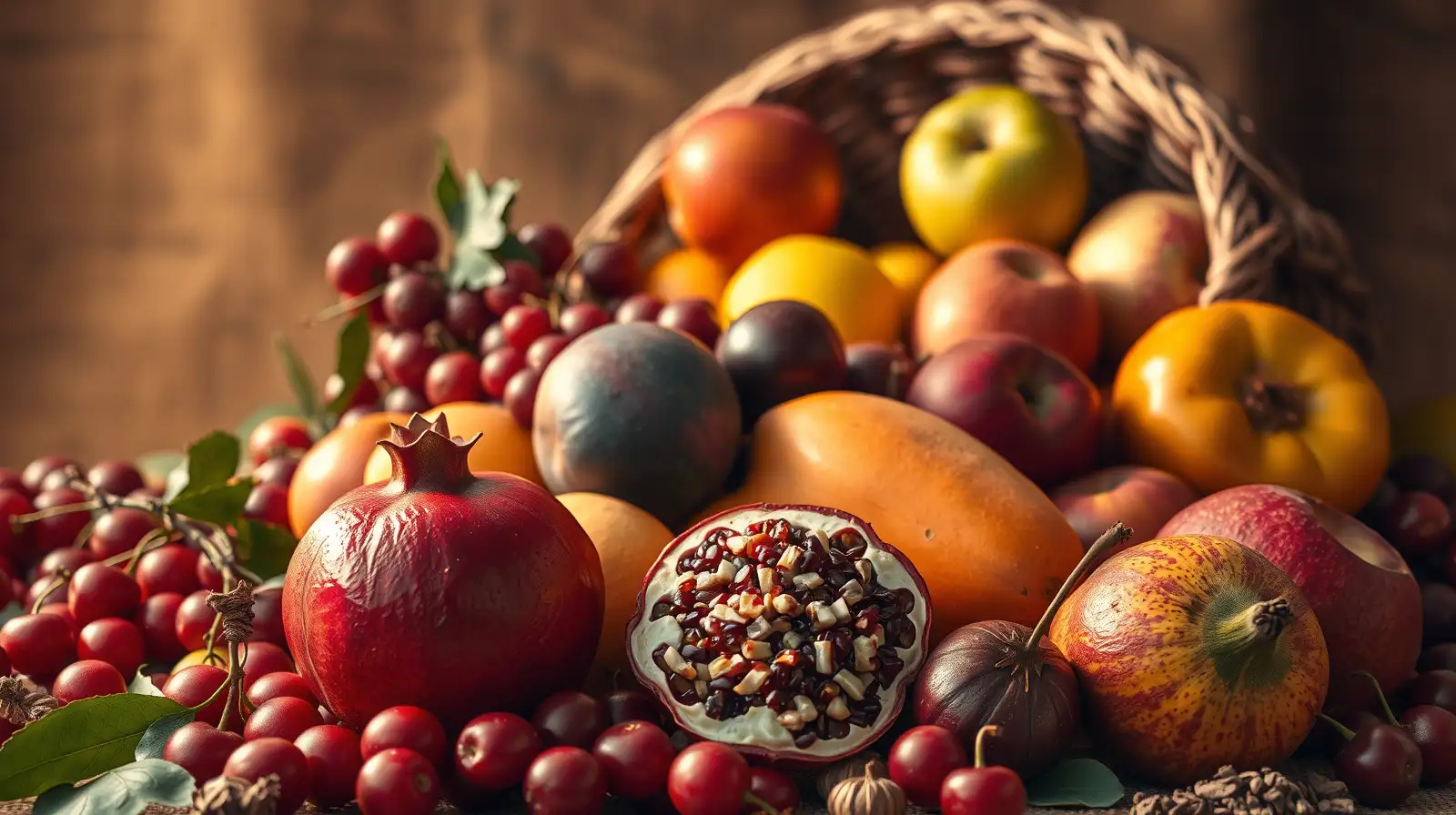
Ancient civilisations valued fruits not only as food but also as symbols of prosperity and health. In ancient Egypt, dates and figs were considered valuable crops, while grapes played a central role in Mediterranean agriculture. Fruits were often linked with celebrations, religious traditions, and medicinal practices.
Many colourful fruits contain antioxidants, natural compounds that help protect cells from damage caused by unstable molecules. Berries, particularly blueberries and strawberries, are often studied for their high levels of these beneficial compounds.
Interestingly, the colour of a fruit often reveals clues about its nutritional profile. Red fruits may contain compounds such as lycopene, while orange and yellow fruits often contain carotenoids associated with plant pigments.
The demand for fresh fruits has also transformed global agriculture. Farmers now grow tropical fruits such as mangoes, pineapples, and avocados in regions far beyond their traditional growing areas, allowing consumers to enjoy a wider variety throughout the year.
However, this global popularity also raises important questions about sustainability. Transporting fruits across long distances, reducing food waste, and supporting responsible farming practices have become key concerns in modern food systems.
Some fruits have also shaped economies and cultures. The mango, often called the “king of fruits” in South Asia, has deep cultural importance and has been celebrated in literature, art, and festivals for centuries.
Choosing seasonal and locally grown fruits can support farmers while reducing the environmental impact associated with long-distance transportation. Small everyday choices, such as adding a portion of fruit to breakfast or replacing sugary snacks with fresh options, can make a meaningful difference.
The Ancient Connection Between Humans and Fruits
Long before modern farming existed, humans relied on wild fruits as an important source of food. Archaeological evidence suggests that early communities gathered berries, figs, and other naturally available fruits thousands of years ago. Over time, people began selecting and cultivating plants with better taste, larger sizes, and improved quality, giving rise to the diverse fruits we enjoy today.Ancient civilisations valued fruits not only as food but also as symbols of prosperity and health. In ancient Egypt, dates and figs were considered valuable crops, while grapes played a central role in Mediterranean agriculture. Fruits were often linked with celebrations, religious traditions, and medicinal practices.
The Nutritional Power Hidden Inside Fruits
Fruits are widely recognised for their contribution to a balanced diet. They provide essential vitamins, minerals, fibre, and plant compounds that support overall wellbeing. Citrus fruits such as oranges and lemons are known for their vitamin C content, while bananas provide potassium, an important mineral for normal body functions.Many colourful fruits contain antioxidants, natural compounds that help protect cells from damage caused by unstable molecules. Berries, particularly blueberries and strawberries, are often studied for their high levels of these beneficial compounds.
You may also like
- What's the difference between ECR and ECNR on an Indian passport, and who needs it?
- FIFA World Cup 2026: From the goose-bump inducing Viking clap to Mexico “adopting” South Korea, football has always been about the people in the stands. The fans.
- Boden swimsuit is 'really flattering especially around the belly' - now 30% cheaper
- How to Choose the Right Feeding Bottle for Your Newborn
- Last chance to get £2k watch for £188 with free next day delivery for Father's Day
Interestingly, the colour of a fruit often reveals clues about its nutritional profile. Red fruits may contain compounds such as lycopene, while orange and yellow fruits often contain carotenoids associated with plant pigments.
How Fruits Influence Modern Lifestyles
Today, fruits are an essential part of everyday eating habits around the world. As more people focus on healthier choices, fruits have become popular ingredients in smoothies, snacks, desserts, and even savoury dishes.The demand for fresh fruits has also transformed global agriculture. Farmers now grow tropical fruits such as mangoes, pineapples, and avocados in regions far beyond their traditional growing areas, allowing consumers to enjoy a wider variety throughout the year.
However, this global popularity also raises important questions about sustainability. Transporting fruits across long distances, reducing food waste, and supporting responsible farming practices have become key concerns in modern food systems.
Surprising Facts About Fruits
One interesting fact is that bananas are technically berries according to botanical classification, while strawberries are not considered true berries because their seeds are found on the outside. Another fascinating example is the apple. Thousands of apple varieties exist worldwide, but only a small number dominate commercial markets today.Some fruits have also shaped economies and cultures. The mango, often called the “king of fruits” in South Asia, has deep cultural importance and has been celebrated in literature, art, and festivals for centuries.
Why Fruits Matter Today
In a world where processed foods are increasingly common, fruits provide a simple and natural way to add important nutrients to daily meals. Their role extends beyond personal health, influencing farming communities, global trade, and environmental discussions.Choosing seasonal and locally grown fruits can support farmers while reducing the environmental impact associated with long-distance transportation. Small everyday choices, such as adding a portion of fruit to breakfast or replacing sugary snacks with fresh options, can make a meaningful difference.






More from our partners


Loving Newspoint? Download the app now
